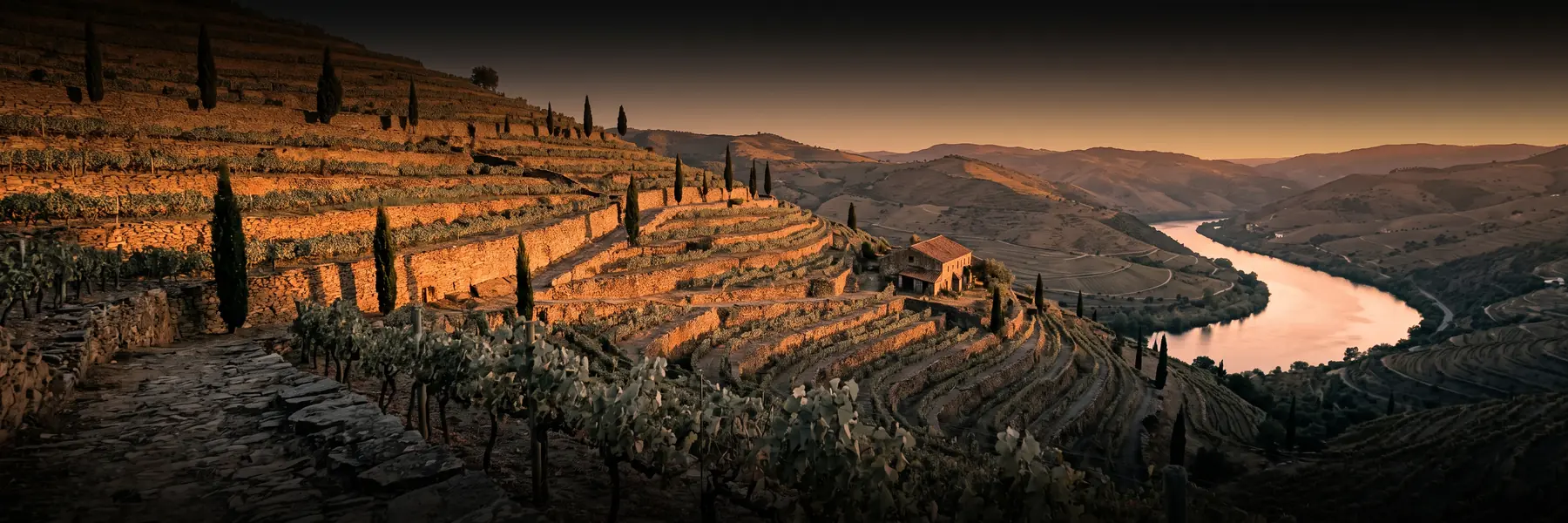
Georgia — Kakheti, the Qvevri, and 8,000 Years of Winemaking
Georgia — Kakheti, the Qvevri, and 8,000 Years of Winemaking
Archaeologists working south of Tbilisi have found grape residues in clay jars dated to roughly 6,000 BC — the oldest evidence of winemaking anywhere. That makes Georgia not a curiosity on the margins of the wine world but its starting point. What matters for a modern winemaker is that the method behind those jars never went away. Georgians still ferment in qvevri, and the technique they use is the clearest surviving example of a whole family of decisions — skin contact on white grapes, minimal intervention, ambient temperature control — that the rest of the world is currently rediscovering.
Geography
Georgia sits between the Greater Caucasus to the north and the Lesser Caucasus to the south. Vines grow across most of the country, but the centre of gravity is decisively eastern.
- Kakheti — the east; roughly two-thirds of Georgia's production. Two river valleys, the Alazani and the Iori, run between mountain walls. Almost every famous appellation name is here.
- Kartli — around Tbilisi; cooler, higher, drier; increasingly the source of Georgian sparkling wine.
- Imereti — western, humid, Atlantic-ish via the Black Sea; its own qvevri tradition and its own grapes (Tsitska, Tsolikouri, Krakhuna).
- Racha-Lechkhumi — high, remote mountain valleys; home of the semi-sweet reds and whites (Khvanchkara, Tvishi).
- Guria, Samegrelo, Adjara, Abkhazia — the humid west and Black Sea coast; small volumes, many rare varieties.
Climate
Kakheti is continental: hot, dry summers and genuinely cold winters, with the Caucasus blocking cold northern air and the Alazani valley funnelling warmth. Long, dry autumns mean growers can hang fruit late without rot pressure — which is why Georgia produces ripe, deeply coloured reds and still holds acidity in its whites. Diurnal swings in the foothills are large; the valley floor is warmer and yields more.
Key Grapes
Georgia has an extraordinary genetic library — several hundred native varieties, of which a few dozen are commercially planted.
| Grape | Colour | Character |
|---|---|---|
| Saperavi | Red | Teinturier — red flesh as well as skin. Deep colour, high acid, firm tannin, long-lived. See the Saperavi guide |
| Rkatsiteli | White | Georgia's workhorse white. High acid, quince and green apple; takes skin contact superbly |
| Mtsvane Kakhuri | White | Aromatic, floral, slightly lower acid; the blending partner to Rkatsiteli |
| Kisi | White | Rarer, more textural and honeyed; a star of modern amber wine |
| Khikhvi | White | Low-yielding, spiced, dried-fruit character |
| Tsolikouri | White | Western Georgia; the grape of Tvishi |
| Aleksandrouli / Mujuretuli | Red | The Racha pair behind Khvanchkara |
The Qvevri and the Marani
A qvevri is a large egg-shaped earthenware vessel, unglazed, lined on the inside with beeswax and buried up to its neck in the floor of the cellar — the marani. Sizes range from a few hundred litres to several thousand. Qvevri winemaking was inscribed on UNESCO's list of Intangible Cultural Heritage in 2013.
Three things follow from the shape and the burial, and all three are transferable lessons:
- Temperature is passive and stable. Surrounded by earth, the ferment sits close to ground temperature and rides out its own exotherm without a chiller. If you ferment in a cool cellar rather than a warm garage, you are working with the same principle — see fermentation temperature.
- The vessel does the settling. The tapered base collects lees and seeds in a narrow cone; the cap of skins floats above. There is no racking during fermentation because the geometry separates the phases for you.
- Micro-oxygen without oak flavour. Clay breathes slightly. You get gentle oxidative maturation with none of the vanilla or toast of a barrel — a genuinely different tool from the ones described in barrel ageing basics.
In the Kakhetian method, white grapes are crushed and go into the qvevri with their skins and a substantial proportion of stems, and stay there for months over the winter before the wine is transferred to a second qvevri. The result is an amber wine with real tannin — the direct ancestor of everything now sold as orange wine. Our skin contact guide covers the technique in a modern cellar. The Imeretian method of the west uses a smaller fraction of skins and shorter contact, giving a lighter, fresher wine.
The PDO Map
Georgia protects a long list of appellations, most of them small named zones within Kakheti. The ones you will actually meet:
| PDO | Style | Grape |
|---|---|---|
| Mukuzani | Dry red, extended cask ageing | Saperavi |
| Napareuli | Dry red (and a dry white version) | Saperavi / Rkatsiteli |
| Kvareli | Dry red, softer than Mukuzani | Saperavi |
| Kindzmarauli | Naturally semi-sweet red | Saperavi |
| Akhasheni | Naturally semi-sweet red, firmer than Kindzmarauli | Saperavi |
| Tsinandali | Dry white, tank-fermented | Rkatsiteli + Mtsvane |
| Gurjaani | Dry white, fuller and more phenolic | Rkatsiteli + Mtsvane |
| Khvanchkara | Semi-sweet red, Racha | Aleksandrouli + Mujuretuli |
| Tvishi | Semi-sweet white, Lechkhumi | Tsolikouri |
Two things confuse newcomers. First, these names describe place plus style — Kindzmarauli is not simply "a village", it is a village whose wine is defined as semi-sweet. Second, a producer may make an unbottled-as-PDO qvevri wine from the same vineyard; the appellation names largely belong to the tank-fermented commercial tradition, while the qvevri revival often sells under producer and variety alone.
Producers Worth Knowing
- Pheasant's Tears (Sighnaghi) — the estate that did most to put qvevri amber wine in front of an international audience
- Alaverdi Monastery — winemaking in the same marani since the 11th century; a working link to the pre-industrial method
- Schuchmann / Vinoterra — bridges both worlds: modern winery plus a serious qvevri range
- Teliani Valley, GWS, Tbilvino, Badagoni — the large houses; where most PDO-labelled Mukuzani and Tsinandali comes from
- Ramaz Nikoladze, Lagvinari — western Georgia, low-intervention, tiny volumes
What Kakheti Teaches You
Fermenting a white on its skins is the single cheapest way to add structure to a thin white wine, and Georgia is the 8,000-year proof that it works. Start small: one 30 L vessel, one variety, stems left in on half the batch so you can taste the difference. Expect the wine to look wrong — cloudy, orange, tannic — for about six months, and to come together after that.
Food Pairing
Amber Rkatsiteli: walnut sauces, aubergine rolls (nigvziani badrijani), sheep's cheese, roast chicken. Dry Saperavi: grilled pork mtsvadi, khinkali, mushroom stews. Semi-sweet Saperavi: sharp cheeses, chocolate, or on its own after dinner.
Tip: If you try skin-fermented whites, taste the wine at day 10, day 30 and month 3 and write down what changed. The tannin peaks early and then softens and integrates. Nearly every home winemaker who abandons an amber wine does so at the point where it tastes worst — about a month in.