Mukuzani — Georgia's Benchmark Dry Saperavi
Mukuzani — Georgia's Benchmark Dry Saperavi
Ask a Georgian which of their red appellations to take seriously and the answer is usually Mukuzani. It is the name reached for when a producer wants to show that Saperavi can be a structured, cask-matured, cellar-worthy dry red rather than a soft semi-sweet crowd-pleaser. Where Kindzmarauli sells on charm, Mukuzani sells on backbone.
Where It Is
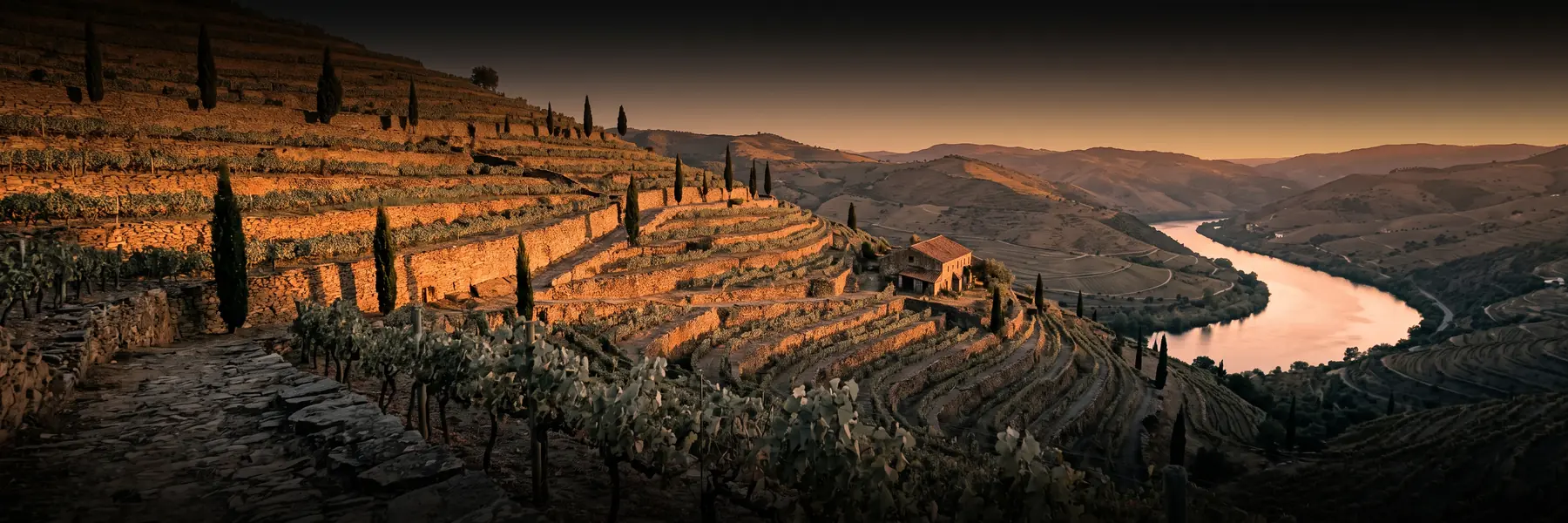
Mukuzani is a small microzone in the Gurjaani district of Kakheti, on the right bank of the Alazani, on gently sloping ground above the valley floor. Vineyards sit high enough to drain well and to catch cool night air off the Gombori range, low enough to ripen Saperavi fully in most years. That combination — reliable ripeness with retained acidity — is the whole argument for the site.
Climate and Soil
Continental, with hot dry summers, long dry autumns and cold winters. The dryness at harvest is the key practical fact: growers can leave Saperavi hanging until tannins are genuinely ripe without the botrytis and split-berry pressure that a wet autumn brings. Soils are stony, clay-rich alluvial deposits with good drainage, which restrains vigour and concentrates the fruit.
What Defines Mukuzani
Mukuzani is a dry red made only from Saperavi, and its defining requirement is extended maturation in oak before release — years, not months. That single rule shapes everything else: fruit selected for Mukuzani has to have the tannin, extract and acid to survive a long cask stay, so it is picked from lower-yielding sites and handled for structure rather than for early drinkability.
Because the appellation specification is what it is, treat it as a style promise rather than a recipe. If you want the precise current minimum ageing period, permitted yields and analytical limits, read the PDO specification rather than any secondary source — the numbers have been revised more than once.
The Other Dry Saperavi Zones
Three appellations in Kakheti cover dry Saperavi, and understanding their differences is more useful than memorising them:
| PDO | Position | Character |
|---|---|---|
| Mukuzani | Right bank, sloping ground | The most structured and cask-driven; firm, fine tannin; built to age |
| Napareuli | Left bank of the Alazani, narrow strip | More aromatic lift, slightly higher-toned fruit; a white version also exists from Rkatsiteli |
| Kvareli | Deeper alluvial soils near the plain | Rounder and softer tannin, riper dark fruit; approachable earlier |
All three are Saperavi, all three are dry, and the differences are real but subtle. If you are tasting comparatively, put a Mukuzani and a Kvareli side by side and note the tannin texture rather than the fruit.
Wine Style
Deep opaque ruby-black — Saperavi's teinturier flesh means colour is never the problem. On the nose, dark cherry and damson over dried herbs, leather, walnut and a faint bitter-chocolate note from cask. On the palate the signature is high acidity carried alongside firm tannin, which is unusual: most reds this tannic have softened their acid by the time they are ripe. Mukuzani keeps both, which is why good examples drink well at fifteen years and why young ones can feel severe.
Producers
- Teliani Valley — the reference commercial Mukuzani, widely available, consistent
- GWS and Tbilvino — large-scale, dependable, good value benchmarks for the style
- Badagoni — modern winemaking, riper and more polished
- Numerous small Kakhetian estates bottle a Mukuzani-district Saperavi without using the PDO name, preferring vineyard and variety on the label
Making Cask-Aged Saperavi
This is the most transferable part of Mukuzani, because Saperavi behaves unlike most reds you will have worked with.
Harvest. Do not chase Brix. Saperavi accumulates sugar readily while holding acid, so the risk is picking at high sugar with unripe seed tannin. Taste seeds — brown and nutty, not green — and check numbers rather than guessing; use the calculators to convert your readings and plan any adjustment.
Extraction. Colour needs no help at all. Anthocyanin is in the flesh, so even a short maceration gives an inky wine. This frees you to macerate for tannin quality rather than for colour: a moderate 7–10 day maceration with gentle punch-downs usually gives better texture than an aggressive long one. Over-extracted Saperavi is astringent and stays astringent. Read tannin management before you decide.
Acid. Expect low pH and high titratable acidity. This is a gift for stability and colour but can make the wine feel angular. Malolactic fermentation is essential — it is the main tool for softening Saperavi without stripping it. See MLF explained.
Cask. Traditional Mukuzani uses large, older oak, which supplies slow micro-oxygenation and tannin polymerisation rather than flavour. If you are working with small barrels, use neutral or second-fill wood, and treat time — not toast — as the active ingredient. A 225 L new barrel will bury Saperavi's aromatics.
Patience. Saperavi's tannin integrates slowly. Judge the wine at two years, not at six months.
Food Pairing
Grilled lamb and pork mtsvadi over vine cuttings; beef stews with plum and coriander; aged sheep's cheese; anything with walnut. Mukuzani's acidity handles fat and its tannin handles char.
Tip: If your Saperavi tastes hard and hollow at the same time, the usual cause is too much maceration and too little air. Rack it once with deliberate splashing, let it take up a little oxygen, and taste again in a month before reaching for fining agents.