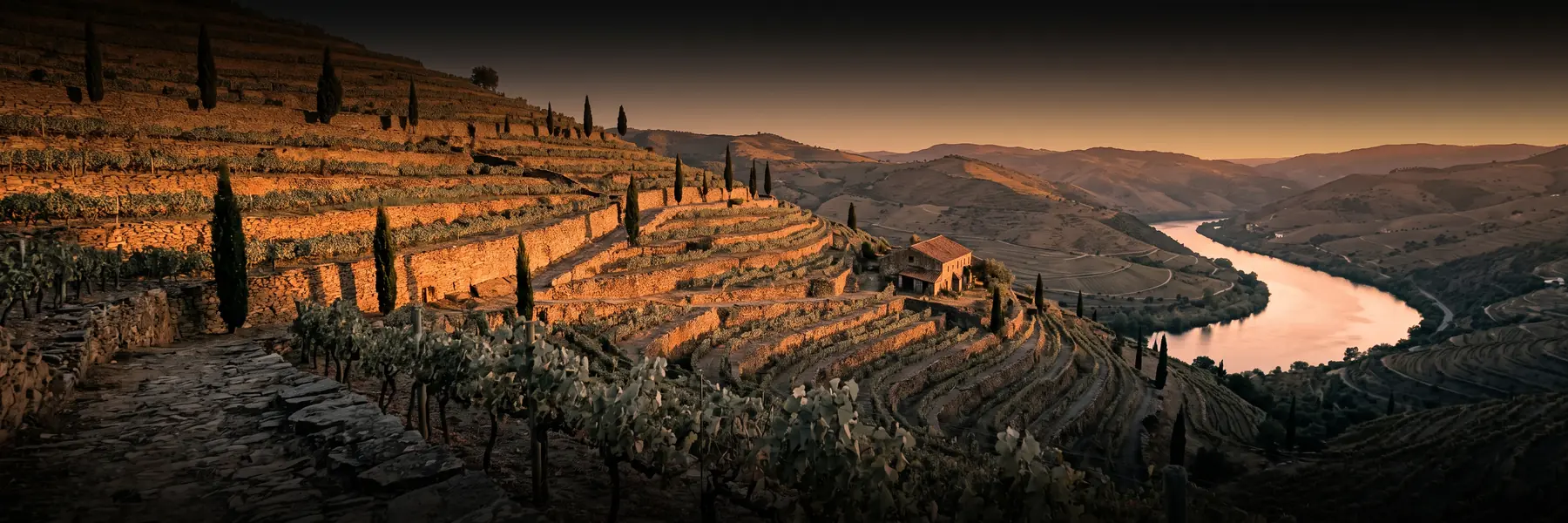
Tsinandali — Rkatsiteli, Mtsvane, and Georgia's Classic Dry White
Tsinandali — Rkatsiteli, Mtsvane, and Georgia's Classic Dry White
In the 1830s, Prince Alexander Chavchavadze built a European-style winery on his estate at Tsinandali, brought in French equipment, and began making white wine in barrels and bottles instead of buried clay. It was a deliberate break with the qvevri tradition, and it created the template for what is still Georgia's most recognised dry white. Tsinandali is the appellation where Georgian grapes meet a conventional white-winemaking playbook — which makes it the most immediately useful Georgian wine for anyone who works in stainless steel.
Where It Is
The Tsinandali zone covers a broad stretch of the Telavi and Kvareli districts in central Kakheti, on the right bank of the Alazani beneath the Gombori range. It is one of the larger Kakhetian appellations, which is part of why the wine is widely available and why quality spans a range.
Climate and Soil
Continental, with the long dry autumn that characterises Kakheti. For white grapes the significant feature is the diurnal swing: warm days build sugar and flavour while cold nights preserve acid. Soils are varied — alluvial clays and gravels on the lower ground, more calcareous material on the slopes.
The Blend
Tsinandali is a dry white blend led by Rkatsiteli with a minority of Mtsvane Kakhuri. The two grapes do complementary jobs:
| Grape | Contribution |
|---|---|
| Rkatsiteli | The frame. High natural acidity, quince, green apple, a faintly nutty note. Neutral enough to take handling decisions well; robust in the vineyard |
| Mtsvane Kakhuri | The perfume. Floral, white peach and a rounder mouthfeel; lower acid, so it softens the blend rather than sharpening it |
This is a textbook case of blending for what a wine lacks rather than for more of what it has — see blending theory.
Gurjaani, the neighbouring white PDO, uses the same pair from different ground and comes out fuller and slightly more phenolic.
Wine Style
Pale straw to light gold. Green apple, quince, pear skin and white flowers, sometimes a faint almond or walnut edge. Dry, medium-bodied, with firm acidity and a clean, slightly bitter mineral finish. Historically some Tsinandali saw oak; the mainstream style today is unoaked and reductive, made to be drunk within two or three years.
Do not confuse this with Georgian amber wine. Amber Rkatsiteli — fermented on skins and stems in qvevri — is a completely different wine from the same grape. If that is what you are after, read the Kakheti guide and skin contact.
Producers
- Tsinandali Estate (Tsinandali Winery) — the historic Chavchavadze estate, restored; the origin of the name
- Teliani Valley — the most widely exported version; consistent, well-made
- GWS, Tbilvino, Schuchmann — dependable commercial bottlings
- Numerous Telavi-district growers sell fruit into the large houses rather than bottling themselves
Working with Rkatsiteli
Rkatsiteli is one of the most useful white varieties a small producer could plant, and almost nobody outside the former Soviet sphere has noticed. It is vigorous, hardy in cold winters, ripens reliably, and — the important part — holds high acidity at full ripeness.
Harvest. The temptation is to pick early because the acid is high anyway. Resist it: underripe Rkatsiteli is thin and green. Let flavour arrive; the acid will still be there. See harvest timing.
Pressing. Rkatsiteli has thick skins and reasonable phenolic content. For the fresh Tsinandali style, press gently and keep press fractions separate — the hard-press juice carries bitterness that the fruit does not need. For an amber style you would do the exact opposite.
Fermentation. Cool, 14–16 °C, in stainless or glass, with a neutral or aromatic-preserving yeast. Warm ferments coarsen the wine. See fermentation temperature and choosing your yeast.
No MLF. Malic acid is the point. Leaving it alone keeps the wine crisp; converting it flattens the one thing Rkatsiteli reliably supplies. Block it with SO₂ and cool storage rather than leaving it to chance — see understanding SO₂.
The acid question. Rkatsiteli's TA can be genuinely high and its pH genuinely low. Low pH is a gift: SO₂ is far more effective, microbial risk drops, and the wine keeps. If it tastes too sharp, your options in order of preference are a longer lees contact for texture, a small blending fraction of a lower-acid variety (which is what Mtsvane does here), and only then chemical deacidification. Run the numbers in the calculators before adding anything.
Cold stabilise. High-acid, high-potassium whites throw tartrates readily. Cold stabilisation is not optional if you are bottling in clear glass.
Food Pairing
Grilled river fish, chicken in walnut sauce, khachapuri, fresh cheeses, herb-heavy salads with tarragon and coriander. The mineral bitterness on the finish is a virtue with oily food.
Tip: If you have access to Rkatsiteli or any other high-acid, thick-skinned white, split the batch. Half pressed and fermented cool as above; half fermented on skins. You will learn more about white winemaking from that one comparison than from a season of reading, and both wines are worth drinking.