Tvishi — Tsolikouri and Georgia's Semi-Sweet White
Tvishi — Tsolikouri and Georgia's Semi-Sweet White
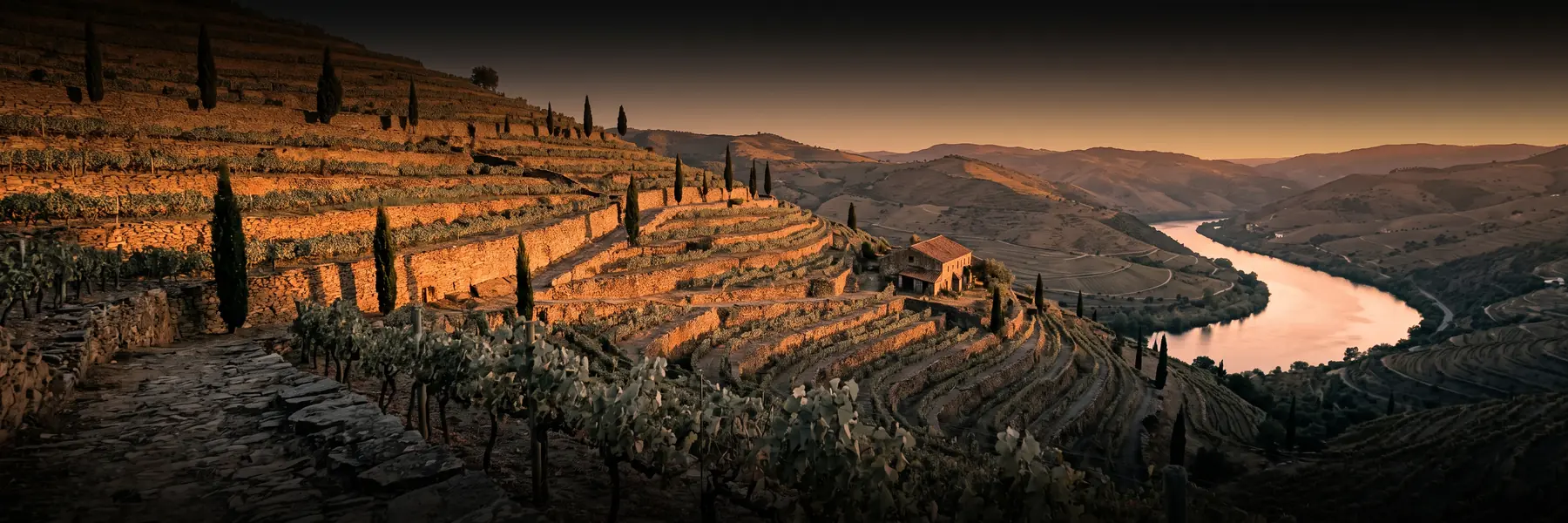
Tvishi is a small semi-sweet white appellation from Lechkhumi, one of the least accessible corners of Georgian wine — a strip of terraced vineyard above the Rioni gorge in the western Caucasian foothills. It is included here not because it is important by volume, which it is not, but because it is one of the very few classic examples anywhere of a lightly sweet white built entirely on natural grape sugar and mountain acidity, and because the grape behind it, Tsolikouri, is genuinely good.
Where It Is
The zone lies in the Tsageri district, on the right bank of the Rioni, on steep south-facing terraces. Western Georgia is a different climatic zone from Kakheti: wetter, milder in winter, more humid in summer, with Black Sea influence pushing inland along the river valleys. At Tvishi's altitude the humidity is tempered and nights are cold, which is the useful combination.
Climate
Cool mountain continental with maritime influence. More rain than the east means more fungal pressure in the vineyard and more reliance on airflow and site. Ripening is slower, so acidity stays high while sugar accumulates modestly — the ideal starting point for a low-alcohol wine with sugar left in.
Tsolikouri
Tsolikouri is western Georgia's most planted white and, on the evidence, one of the country's best.
- Late-ripening, which suits a long cool autumn and rules it out of hot sites
- High natural acidity retained at ripeness, with moderate sugar accumulation — hence naturally modest alcohol
- Aromatics of white peach, quince, pear and citrus blossom, with a honeyed note as it ripens
- Reasonably thick skins, so it takes skin contact well; dry qvevri-fermented Tsolikouri from Imereti is a serious wine in its own right
Because Tsolikouri accumulates sugar slowly, a fermentation stopped part-way leaves a wine of genuinely low alcohol — which is what makes the Tvishi style hang together rather than taste like a weak dessert wine.
Wine Style
Pale gold with a green cast. Peach, apricot, quince and citrus blossom, with an alpine-herb freshness. Lightly sweet — noticeably so, but nowhere near a Sauternes or a Tokaji Aszú — and carried by real acidity, so the finish is clean and the sweetness never sits on the tongue. Low to moderate alcohol. Best drunk within a couple of years, well chilled.
Producers
- Most commercial Tvishi is bottled by large houses such as Badagoni and Telavi Wine Cellar, alongside small family producers in the village itself
- Lagvinari — western Georgian, low-intervention, small volumes; a good reference for what the region's grapes can do
- Ramaz Nikoladze — Imeretian rather than Lechkhumi, but the clearest window into the west's non-Kakhetian technique
Production is very small. As with Khvanchkara, the name appears on far more bottles than the zone could possibly fill.
Western Georgia's Different Method
If you only know Georgian wine through Kakheti's qvevri tradition, the west is a useful corrective. The Imeretian and Lechkhumi approach uses less skin and stem material and shorter contact than the Kakhetian method — a fraction of the pomace rather than the whole of it. The wines that result are lighter, fresher and less tannic, closer to a modern white with texture than to a full amber wine.
That is a more transferable model for most small producers than the full Kakhetian method, because it gives you structure and complexity without committing the whole batch to six months of tannin extraction.
Making a Balanced Lightly Sweet White
Tvishi is a masterclass in one principle: sweetness is only pleasant in proportion to acidity. Get that ratio right and 30 g/L of sugar tastes like ripe fruit; get it wrong and 15 g/L tastes cloying.
Pick for acid. Harvest while TA is still high. A late-picked, low-acid white will never make a good semi-sweet wine at any sugar level. Measure rather than guess — see pH and TA.
Ferment cool. 12–15 °C to hold the aromatics. Read fermentation temperature.
Arrest on a number. Decide your residual sugar before you start and convert it to a stopping gravity with the calculators. Chill hard, rack the wine off its lees while cold, and treat the yeast population as your problem to remove rather than to suppress.
Stabilise properly. A low-alcohol, sweet white with live yeast is the single most likely wine in your cellar to referment in bottle. Sterile filtration is the reliable answer. If that is not available, follow the procedure and the honest limitations in back-sweetening — the same chemistry governs an arrested ferment.
No MLF, and mean it. Malic acid is doing the structural work here. Keep it, and keep enough free SO₂ to prevent an unwanted conversion in bottle (understanding SO₂).
Cold stabilise. High acid, high potassium, clear glass, cold shipping — tartrates will appear otherwise. See cold stabilisation.
Food Pairing
Fresh cheeses, fruit tarts, spiced pork, Georgian pkhali and herb dishes. It also does the job most sweet wines cannot: a genuine aperitif, chilled hard, before a meal rather than after it.
Tip: Blind-taste your semi-sweet white against the same wine cut with 10% of the dry version. Most home-made sweet wines are 5–10 g/L too sweet, and a small dry addition is the cheapest, safest correction available — no new equipment, no new risk.