Kindzmarauli — Naturally Semi-Sweet Saperavi
Kindzmarauli — Naturally Semi-Sweet Saperavi
Most of the world's semi-sweet red wine is made by fermenting to dryness and then adding sugar or concentrate back. Kindzmarauli is made the other way round: the ferment is stopped while sugar is still there. That single decision is why it tastes like fruit rather than like sweetened wine, and it is the reason this appellation deserves a winemaker's attention rather than just a shopper's.
Where It Is
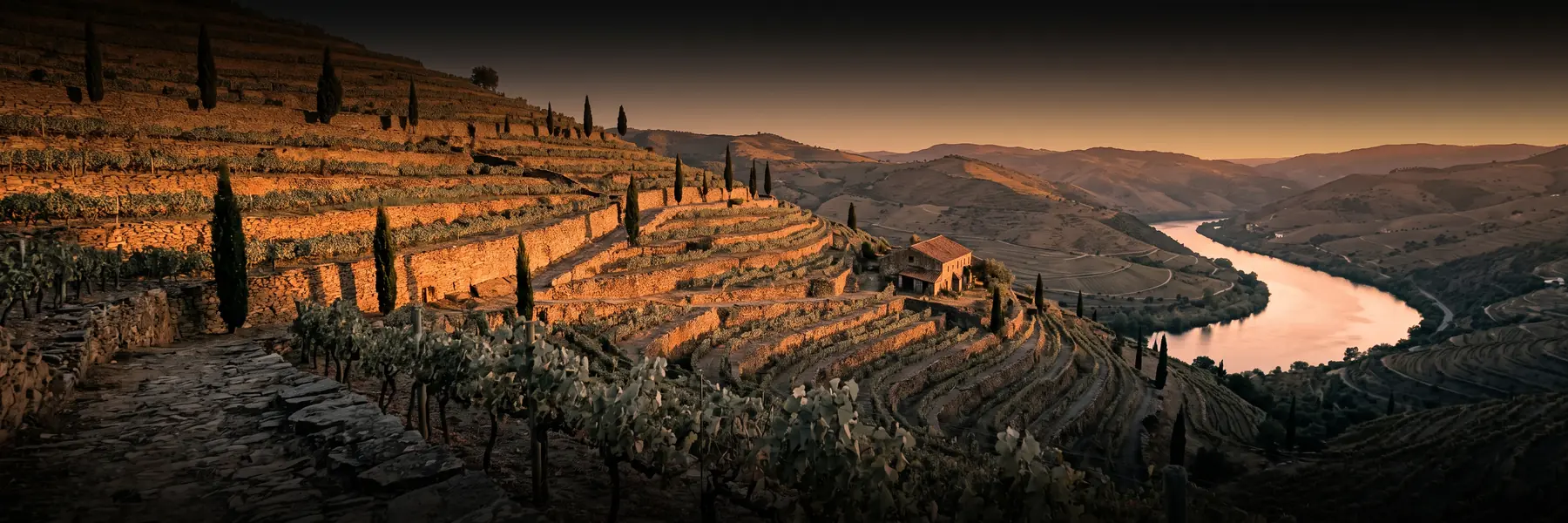
Kindzmarauli is a microzone in the Kvareli district of north-eastern Kakheti, on the left bank of the Alazani, where the Duruji river comes down from the range, on the alluvial fans running down from the Greater Caucasus. The mountain wall is close and steep here. Meltwater-fed soils, warm days and cold nights off the range give Saperavi high sugar accumulation without the loss of acidity you would expect at that ripeness — which is exactly what a balanced sweet red requires.
What Defines It
Kindzmarauli is a naturally semi-sweet red from Saperavi grown in the demarcated zone. The residual sugar has to be original grape sugar, not an addition. In practice the wines land in the lightly sweet band — commonly around 30–50 g/L, enough to read clearly as sweet but far short of a dessert wine. Alcohol sits in the normal table-wine range, usually around 11–12%, because some of the potential alcohol has been left behind as sugar.
Akhasheni, from a warmer sub-zone further south-west, is made the same way and is the closest sibling: a little less sweet in most examples, with a firmer tannic frame.
How the Sweetness Survives
Traditionally, fermentation was arrested by cold. Wine was moved to unheated cellars or qvevri as the Kakhetian winter arrived, the temperature dropped, the yeast went dormant, and the wine was racked off its lees while sugar remained. It was an annual gamble and it is the reason the style belongs to a place with genuinely cold winters.
Modern production does the same thing deliberately: chill hard to arrest, then rack, then filter out the yeast and stabilise. The principle has not changed — remove the yeast's ability to work rather than overwhelm it.
Wine Style
Opaque ruby-purple. Black cherry and dark plum, cocoa, a little dried fig, sometimes a violet lift. The texture is velvety, and the best examples are saved from sweetness by Saperavi's acidity, which cuts through and leaves the finish clean rather than syrupy. Poor examples taste flat and jammy — the giveaway is a short finish.
These are not ageing wines. Drink them within a few years, chilled a little below room temperature.
Producers
- Kindzmarauli Marani — the reference producer, based in the zone
- Teliani Valley, Shumi, Kakhuri — reliable commercial bottlings
- Smaller Kvareli estates make tiny volumes; quality varies more than at the large houses
Be aware that "Kindzmarauli" is one of the most imitated names in wine. Bottles labelled with the name but made outside the zone, or sweetened with concentrate, are common in export markets. Look for the Georgian PDO mark and a named producer.
Making a Naturally Semi-Sweet Red
This is a genuinely difficult style to make safely at home, and the difficulty is entirely in the stabilisation. A bottle of sweet wine with live yeast in it is a bottle that will eventually ferment on a shelf.
1. Pick for balance, not maximum sugar. You want high acidity alongside high sugar. If the acid has fallen away, the finished wine will be cloying at any residual sugar level. Check pH and TA — see pH and TA — and use the calculators to work out where your alcohol will land if you stop at a given gravity.
2. Ferment normally, then arrest on gravity. Decide your target residual sugar in advance and convert it to a specific gravity. Around 1.010–1.015 SG is the usual window for this style; check your own numbers rather than trusting a rule of thumb, and read reading a hydrometer if you are unsure of your measurement precision.
3. Chill hard and rack. Drop the temperature as low as you can get it and hold it. Rack the clear wine off the lees — you are removing the yeast population, not just quietening it.
4. Sterile filter, or sorbate correctly. The reliable route is a 0.45 µm sterile filtration into sanitised bottles. Without filtration equipment, the alternative is potassium sorbate with adequate free SO₂ — and there are real constraints on doing that safely, including that sorbate is much less effective when a viable yeast population remains. Our back-sweetening guide sets out the correct procedure and the failure modes; the same rules apply to arresting a ferment.
5. Do not let it go through MLF later. A sweet red with malic acid left and no protection is a candidate for refermentation and for mousiness. If you want the softening of MLF, complete it before you arrest the sugar — which in practice means a different, harder-to-control process, and is why most producers of this style simply skip MLF and rely on Saperavi's fruit.
6. Cold stabilise before bottling. Sweet reds show tartrate deposits badly. See cold stabilisation.
Food Pairing
Not a dinner wine. Serve it with strong blue and sheep's cheeses, with dark chocolate and cherry desserts, or in the Georgian way — poured at the end of a long table, after the food.
Tip: If you make a semi-sweet wine without sterile filtration, keep two bottles somewhere warm on purpose for three months. If they stay sound, your stabilisation worked. If they push their corks, you have found out on two bottles instead of sixty.