Greco di Tufo — Campania's Mineral White
Greco di Tufo — Campania's Mineral White
Southern Italy is supposed to make soft, warm, low-acid whites. Greco di Tufo does not. Grown in the hills of Avellino, inland and up from the Bay of Naples, it produces one of the most structured, most acidic and longest-lived white wines in Italy — a wine with more in common with white Burgundy or Chablis than with anything else made below Rome.
Geography
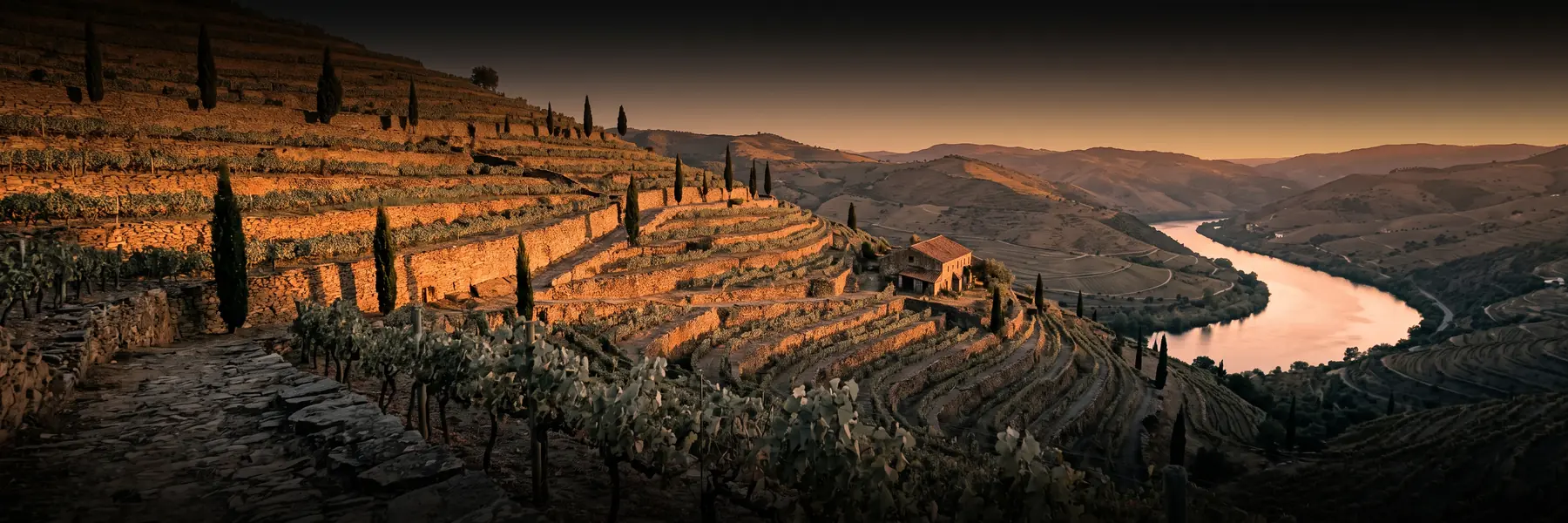
The DOCG covers a small group of communes in the province of Avellino, in Campania, centred on the village of Tufo. The zone sits inland from Naples in the Apennine foothills, at altitudes generally between about 300 m and 600 m — high enough to be genuinely cool at night despite the southern latitude.
The name refers to the village, though it is inevitably associated with tufo — volcanic tuff. The soils here are clay and limestone with volcanic and sulphurous influence; Tufo itself was historically a sulphur-mining village, and the sulphurous subsoil is a local point of pride. Whether it contributes directly to the wine's smoky, flinty character is not established, but the association is consistent.
The grape
Greco — specifically the clone known as Greco di Tufo — with a small permitted proportion (up to 15%) of Coda di Volpe, another Campanian white. Many wines are pure Greco.
Greco is a difficult variety and its physiology explains most of the winemaking decisions:
- Thick, tough skins — high in phenolics, which is where both the wine's structure and its bitterness risk come from
- Tight bunches — susceptible to botrytis and powdery mildew in a damp season
- Naturally high acidity, retained even in warm vintages
- Low, unreliable yields
The DOCG also permits a spumante (sparkling) version, which is rarely seen but makes sense given the acidity.
Climate
Mediterranean at sea level, but the vineyards are not at sea level. Altitude plus inland position gives cool nights and a wide diurnal range, which is exactly what preserves the acidity and the aromatic definition. The Apennines bring more rainfall than the coast, and disease pressure in a wet year is a genuine issue with such tight bunches.
Mastroberardino's role
The Mastroberardino family is central to any account of Campanian wine. After phylloxera and again after the Second World War, when most of southern Italy replanted with high-yielding international varieties, Mastroberardino kept faith with the indigenous grapes — Greco, Fiano and the red Aglianico — and effectively preserved them. Very nearly every serious Campanian wine today exists because that decision was taken.
Producers
- Mastroberardino — the historic house; the reference for all three great Campanian varieties
- Feudi di San Gregorio — large, modern, high quality; the Cutizzi single vineyard is the most decorated Greco
- Benito Ferrara — the Vigna Cicogna is a benchmark from a small estate
- Di Meo, Cantine dell'Angelo, Pietracupa — excellent smaller producers
Style
Medium to deep straw, often with a golden tinge. White peach, apricot, pear, almond, chamomile, and a distinct smoky-flinty mineral edge. The palate is full-bodied and textured, with high acidity, a faintly grippy, phenolic finish, and a saline persistence.
Greco ages genuinely well — eight to twelve years is unremarkable for the best bottles, and the wine develops honeyed, waxy, nutty depth while keeping its acid spine. This is not what most people expect from a southern Italian white and it is why the comparison to white Burgundy keeps being made.
What Greco teaches your winemaking
Phenolic whites: the bitterness problem
This is the central technical issue with Greco, and it applies to any thick-skinned white — Pinot Gris, Gewurztraminer, Fiano, Verdicchio, many hybrid varieties, and most fruit wines made with skins.
The skins carry a high load of phenolic compounds. Extract too many and the wine is bitter and astringent on the finish; extract none and it can be thin. The controls are:
- Whole-bunch pressing or minimal skin contact if you want a clean, non-bitter wine
- Press gently and fractionally. The free-run and light press are low in phenolics; the hard press is where the bitterness lives. Keep them separate and taste before blending. See our press fractions article.
- Do not crush warm fruit and leave it sitting. Warm skin contact extracts phenolics fast.
- Avoid over-clarifying to compensate — heavy fining strips the texture along with the bitterness.
But a little phenolic grip is what makes it serious
Greco's slight grip is a feature. A completely phenol-free white is often a boring one. The skill is in finding the level where the structure supports the wine without dominating the finish — which means tasting your press fractions rather than following a recipe.
High acid needs a decision about MLF
Greco's natural acidity is high enough that MLF is a genuine option rather than a necessity. Allowing it softens the wine and adds breadth; blocking it keeps the mineral tension. Both are practised in the zone. What matters is that you decide, and then make sure it either completes or is properly prevented — an unplanned MLF in bottle is a spoiled wine. See MLF explained.
Lees ageing over oak
Greco is a wine of texture, and most of the best examples get their texture from months on fine lees rather than from barrels. New oak fights the smoky mineral character directly. Lees contact is cheaper, easier and better suited. See Chardonnay styles for lees technique.
Protect it, because it is worth ageing
A white you intend to keep for a decade needs careful SO₂ management, minimal oxygen pickup at racking and bottling, and a closure you trust. See understanding SO₂, bottling guide and closure comparison.
Tight bunches mean vineyard vigilance
If you grow a tight-bunched variety, fruit-zone leaf removal and airflow matter enormously. Botrytis in a compact bunch spreads invisibly from the inside. See planting your first vineyard.
For Campania's other great white see Fiano di Avellino; for southern Italian wine more broadly, the Abruzzo guide and Sicily guide.
Food pairing
Grilled fish, seafood pasta, mozzarella di bufala, fried vegetables, and — for an older bottle — roast chicken or veal. Greco's weight and acidity make it one of the few whites that handles fried food properly.
Tip: Next time you press a white, keep the last of the hard press separate in a jar and taste it on its own. Most home winemakers have never tasted their own hard press fraction in isolation, and it is usually a revelation — and an immediate explanation for a bitter finish they had blamed on something else.