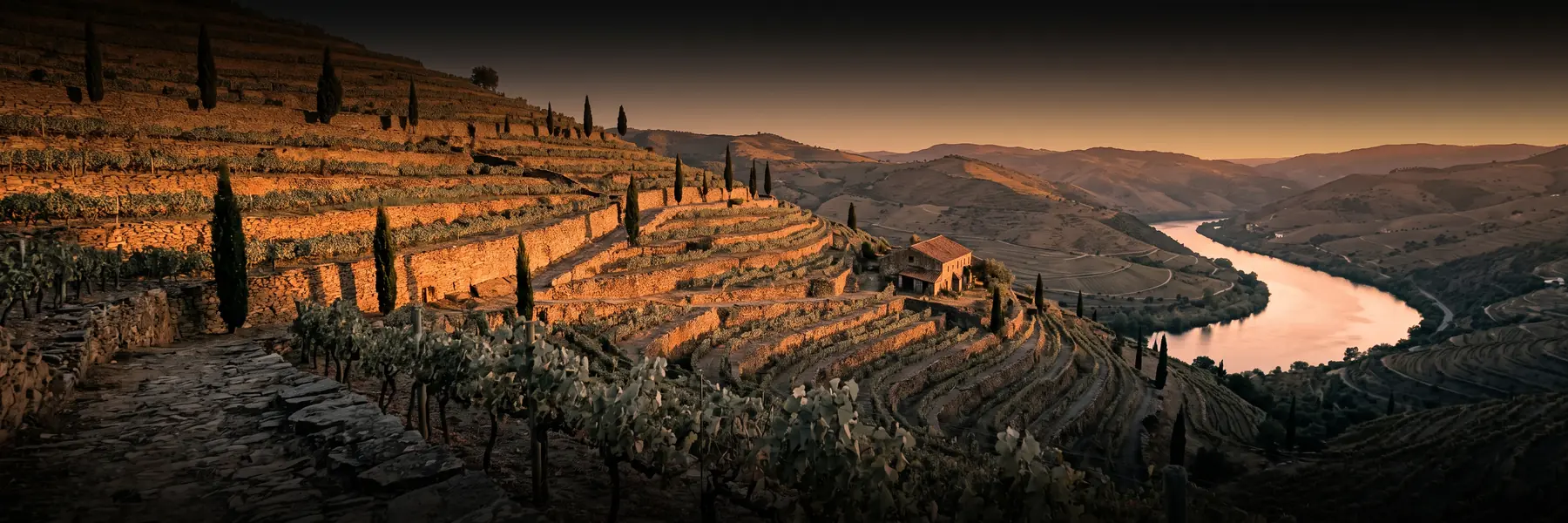
Sicily — Nero d'Avola, Nerello Mascalese, and Italy's Wine Island
Sicily — Nero d'Avola, Nerello Mascalese, and Italy's Wine Island
Sicily is experiencing one of the wine world's most dramatic quality transformations. Once the provider of bulk wine to bolster thin northern Italian and French wines, it now produces some of Italy's most individual wines — led by the ancient volcanic soils of Etna and the unique native varieties of the island.
Geography
Sicily is a large, diverse island with dramatically different terroirs:
- Etna — the active volcano in the northeast; vineyards at 400–1,000m altitude on volcanic basalt soils; increasingly the island's most exciting wine zone
- Ragusa / Southeastern Sicily — heartland of Nero d'Avola; hot, limestone plains and hills
- Marsala — western tip; DOC for fortified wine
- Pantelleria — island off the Tunisian coast; Muscat-based Passito di Pantelleria and Zibibbo (Muscat of Alexandria)
- Vittoria — southeastern zone; Cerasuolo di Vittoria DOCG (Nero d'Avola + Frappato)
- Alcamo — western zone; white wine (Catarratto)
Climate
Hot Mediterranean, intensified by proximity to North Africa. Summer temperatures regularly exceed 35°C. Rainfall is scarce. Etna's altitude (and the volcanic soil's water retention) modulates extremes — producing far fresher, more mineral wines than the southern plains.
Key Grapes
| Grape | Style |
|---|---|
| Nero d'Avola | Dark, plummy, high alcohol; chocolate, cherry, spice; Sicily's most famous red |
| Nerello Mascalese | Etna's star red; translucent, perfumed, like Piedmontese Nebbiolo meets Burgundy Pinot |
| Nerello Cappuccio | Blended with Nerello Mascalese; adds colour and structure |
| Frappato | Light, vibrant, fresh; raspberry, violet; Cerasuolo di Vittoria |
| Catarratto | Most planted Sicilian white; neutral in the wrong hands; mineral and complex at low yields |
| Carricante | Etna's white variety; mineral, citrus, volcanic energy; very food-friendly |
| Grillo | Aromatic white; modern dry style or Marsala base |
| Inzolia | Blending white; delicate, nutty |
| Zibibbo (Muscat of Alexandria) | Pantelleria; sun-dried for Passito di Pantelleria |
Etna — Sicily's Most Exciting Wine Zone
Etna is one of the wine world's great emerging regions. The volcanic soils (basalt, ash, pumice) are unlike any other in Italy. Old vines — some over 100 years, often ungrafted (phylloxera cannot survive in volcanic sand) — produce wines of extraordinary intensity and individuality.
Etna Rosso DOC: Nerello Mascalese (min 80%). Single-contrada (cru) expressions are emerging from north (Castiglione) and south flanks. Pale in colour, high in acid and tannin, highly perfumed. Often compared to Burgundy or Barolo in their minerality and ageing potential.
Etna Bianco DOC: Carricante (min 60%). Mineral, salty, citrus, volcanic. Superiore: minimum 80% Carricante, exclusively from the Milo commune.
Marsala
A fortified wine produced in the province of Trapani. Made from Grillo, Catarratto, and Inzolia, then fortified with grape spirit. Styles:
- Fine — lightest; minimum 1 year ageing; dry to medium-sweet
- Superiore — minimum 2 years barrel ageing
- Vergine — made like Sherry Solera; dry; complex; 5–10+ years ageing
- Superiore Riserva — 4 years minimum
Marsala Vergine is one of Italy's most underrated wines.
Famous Producers
- Benanti — pioneering Etna producer since 1988; benchmark Nerello Mascalese
- Cornelissen — natural wine icon on Etna; minimal intervention; idiosyncratic, controversial, excellent
- Passopisciaro — Andrea Franchetti's Etna estate; single-contrada wines of great depth
- Donnafugata — large reliable producer across Sicily; excellent Nero d'Avola and Pantelleria Passito
- Planeta — family estate with vineyards across Sicily; consistent quality
- Arianna Occhipinti — Vittoria; natural wine star; SP68, Frappato, Cerasuolo di Vittoria
Wine Styles
Nero d'Avola: Dark, plummy, full-bodied. Chocolate, dried cherry, Mediterranean herbs, licorice. Rich, alcoholic (13.5–15% ABV). Versatile — from approachable Terre Siciliane IGP to ambitious single-vineyard wines.
Nerello Mascalese (Etna): Pale, transparent ruby. Perfumed (cherry, dried rose), high acidity, firm mineral tannins. Deceptive — seems light but has serious structure. Ages 10–20+ years.
Carricante (Etna Bianco): Citrus, mineral, slightly saline. Excellent with food. Underrated white.
Cerasuolo di Vittoria: Sicily's only DOCG — a mandatory blend of Nero d'Avola and Frappato. Cherry-red, vibrant, medium-bodied. Unique and undervalued.
Making Sicily-Inspired Wine
Nero d'Avola
- High natural sugar and alcohol — be mindful at harvest (target 23–25°Bx).
- Ferment at 24–28°C; 10–15 day maceration for fruit-forward style.
- Works well with American or French oak (medium toast) for 10–14 months.
- Yeast: BDX or D254 — both handle the high-sugar must well.
Fresh Frappato / Light Red Style
- Short maceration (5–8 days) for fresh, fruit-forward style.
- Ferment cool (22–24°C) to preserve aromatics.
- Light or no oak — steel tank ageing preserves fresh raspberry and violet character.
- Drink 1–3 years.
Food Pairing
Nero d'Avola: grilled tuna steaks, aubergine caponata, arancini, aged sheep's milk cheeses.
Nerello Mascalese: swordfish al salmoriglio, rabbit alla cacciatora, Sicilian pasta sauces.
Passito di Pantelleria: ricotta cannoli, almond pastries, mature cheeses.
Marsala Vergine: almonds, walnuts, hard cheeses; also a brilliant cooking wine.
Tip: Etna Nerello Mascalese challenges everything you think you know about warm-climate reds. The altitude, volcanic soil, and cool nights produce a red that is pale, perfumed, and high in acid — more like Pinot Noir than any Mediterranean stereotype. When making a light-extraction Nerello, resist pushing for colour: it won't come.