Fiano di Avellino — The Vine of the Bees
Fiano di Avellino — The Vine of the Bees
Fiano is one of those grapes that quietly rewards anyone who looks. It is not fashionable, it is not expensive, and it makes a white wine that will happily outlive most Chardonnay in your cellar — developing hazelnut, honey and smoke over ten or fifteen years from a starting point of citrus and white flowers.
Its Roman name is generally given as Vitis Apiana, the vine of the bees, on the basis that bees were drawn to its unusually sweet ripe fruit. Whether that is the true etymology is argued over, but it has stuck for two thousand years.
Geography
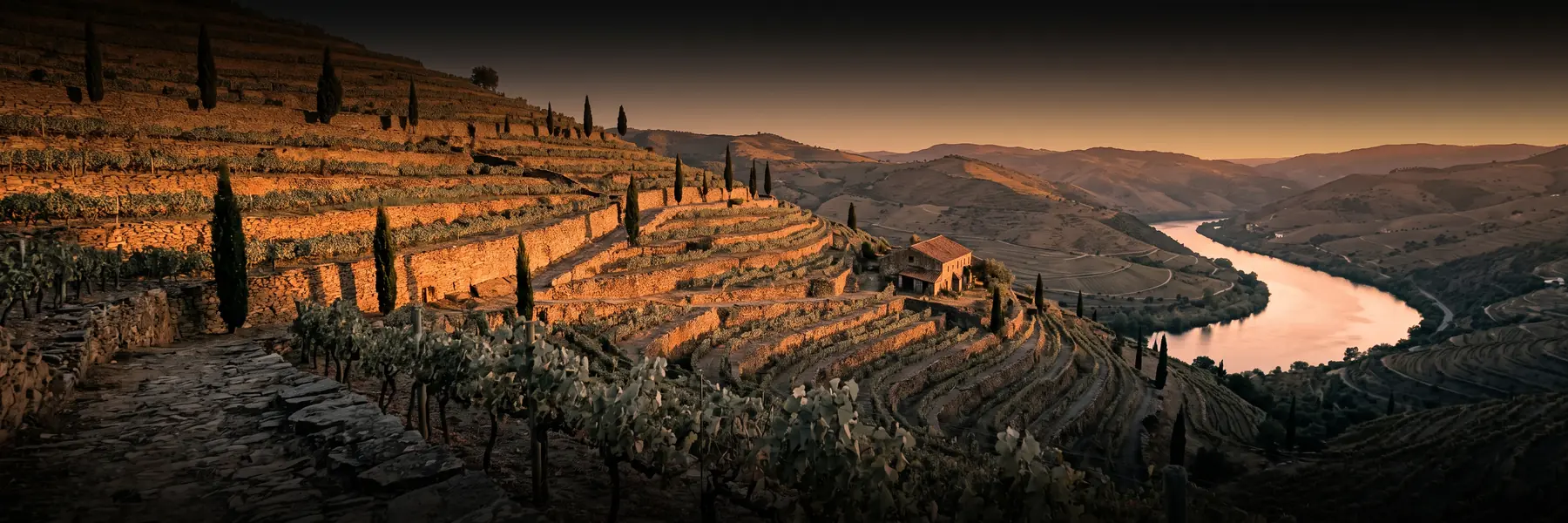
The DOCG covers the hills around the city of Avellino in Campania, inland and east of Naples, at altitudes generally between about 350 m and 650 m. The soils are clay and limestone with volcanic influence — the whole of inland Campania sits in the shadow of a volcanic landscape.
Two things make this a serious white-wine zone despite the southern latitude: altitude, which brings the growing-season temperature down, and wide diurnal swings, with genuinely cold nights in September that preserve acidity and aromatic precursors. Avellino is one of the coolest, wettest provinces in southern Italy.
The grape
Fiano, with a small permitted proportion (up to 15%) of Greco, Coda di Volpe or Trebbiano Toscano. The best wines are effectively pure Fiano.
Fiano's characteristics as a variety:
- Low-yielding, with small, compact bunches
- Thick skins, high in phenolics and in aromatic precursors
- Moderate to high acidity, retained well at altitude
- Slow, delayed aromatic development — young Fiano can seem closed and reveals itself with a year or two in bottle
Fiano is now planted well beyond Campania — in Puglia, Sicily, and increasingly in Australia, where it has become a serious alternative white in warm regions.
Climate
Mediterranean, moderated hard by altitude and by the Apennines. Substantial rainfall by southern Italian standards, cool nights, and a long autumn. Disease pressure in a wet year is real, and Fiano's compact bunches make it vulnerable.
Producers
- Mastroberardino — the Radici Fiano is the classic ageing benchmark; the family preserved Campania's indigenous varieties when almost everyone else abandoned them
- Ciro Picariello — small, high-altitude, cult; the wines are famously long-lived
- Feudi di San Gregorio — the Pietracalda cuvée; consistent modern quality at scale
- Vadiaperti, Pietracupa, Villa Diamante, Guido Marsella — small estates making some of the zone's finest wines
Style
Pale straw when young, deepening to gold. Young: pear, lemon, green apple, white flowers, and a distinctive toasted-hazelnut note that is Fiano's signature. With age: honey, beeswax, dried apricot, almond skin, and a smoky, flinty mineral character that intensifies rather than fades.
The palate is medium to full-bodied with a firm acid line, a subtle phenolic grip, and real length. Good Fiano is frequently better at five years than at one, and the best bottles run ten to fifteen.
What Fiano teaches your winemaking
Some whites need bottle age — plan for it
Fiano is the best argument available against the assumption that white wine should be drunk young. Its aromatic development is genuinely slow, and a young bottle can seem tight and unremarkable while the same wine at four years is complex and layered.
The practical lesson: if you make an ageworthy white, bottle enough to test it over time. Open one at six months, one at eighteen, one at three years. Almost every home winemaker who concludes their white "didn't work" has drunk it all within a year.
Ageing a white requires deliberate protection
A white wine intended to age has less phenolic protection than a red and needs more care:
- SO₂ management matters most. Free SO₂ needs checking and topping through élevage, and the target depends on pH — a high-pH white needs a much higher free-SO₂ reading for the same protection. See understanding SO₂ and pH and TA.
- Oxygen pickup at racking and bottling is cumulative. Minimise transfers, purge headspace, fill fully. See racking guide and bottling guide.
- Closure choice matters more than for a wine drunk young. See closure comparison.
- The white Burgundy premature-oxidation episode is the cautionary tale — see our Meursault guide.
Reductive handling preserves aromatic precursors
Fiano's aromatics develop from precursor compounds bound in the fruit. Oxidation destroys them before they get the chance. Pick cool, press promptly, protect the juice, and ferment cool. See fermentation temperature.
Phenolics: structure, not bitterness
Like Greco, Fiano has thick, phenolic skins. Gentle pressing and careful press-fraction selection keep the grip supportive rather than bitter — see our press fractions article and the Greco di Tufo guide, where this is covered in detail.
Lees, not new oak
Fiano's texture and its smoky character come from the fruit and from lees contact. New oak masks precisely the subtle hazelnut-and-flint character that distinguishes it. Most of the top producers use stainless steel or large neutral vessels. See Chardonnay styles for lees technique and barrel ageing basics for when wood does help.
If you are in a warm region, Fiano is worth considering
It holds acidity better than most whites in heat, it is drought-tolerant, and it makes serious wine — which is why Australian growers have adopted it. If you are choosing what to plant somewhere hot, look at what southern Italy grows rather than at what Burgundy grows. See planting your first vineyard.
For Campania's other great white see Greco di Tufo.
Food pairing
Buffalo mozzarella, seafood pasta, grilled fish, chicken with herbs, and hazelnut-based desserts (an unusually literal match). A mature Fiano handles roast pork, mushrooms and mild cheeses.
Tip: Set aside three bottles of every white you make and label them with dates one, two and four years out. Fiano exists to prove that some whites need patience, and the only way to learn which of yours do is to have kept some.