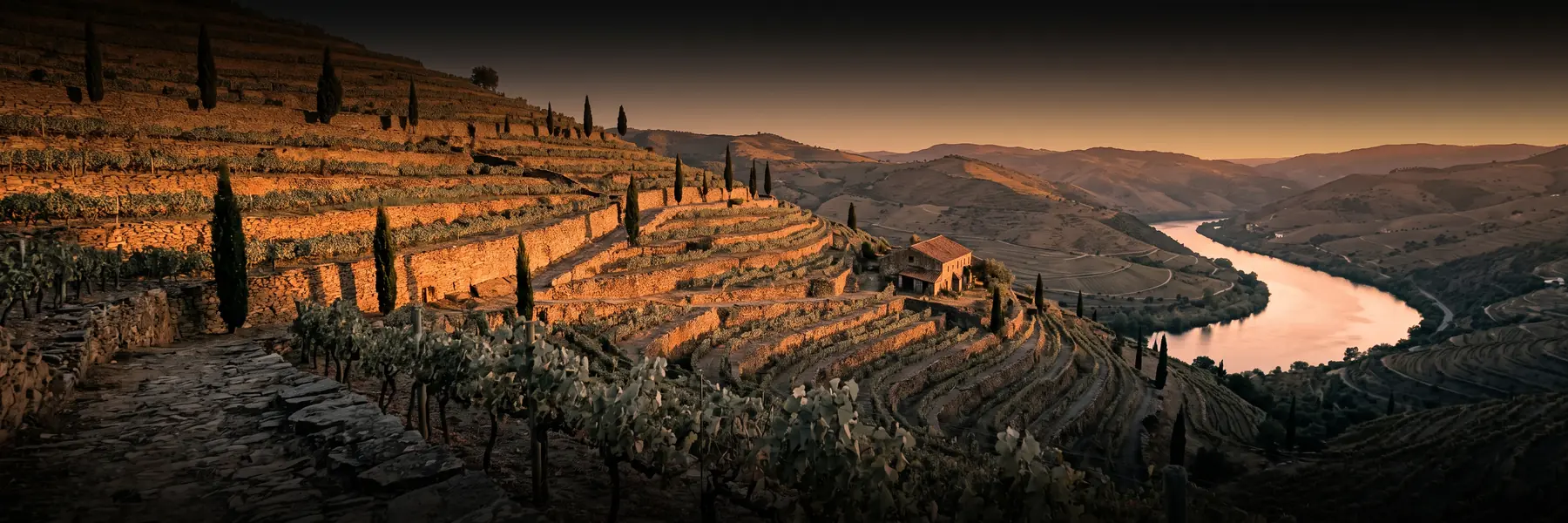
Abruzzo — Montepulciano d'Abruzzo and Italy's Adriatic Coast
Abruzzo — Montepulciano d'Abruzzo and Italy's Adriatic Coast
Abruzzo is one of Italy's most underrated wine regions — and one of its best-value. Located on Italy's Adriatic coast, protected by the Apennine mountains to the west, it produces powerful, structured reds from Montepulciano d'Abruzzo that consistently outperform their price and a characterful pale rosato called Cerasuolo d'Abruzzo.
Geography
Abruzzo runs from the high Apennine peaks (Gran Sasso d'Italia, over 2,900m) down to the Adriatic coast. This dramatic vertical range creates multiple climatic zones within a short distance. The best vineyards sit on hilly terraces at 150–500m altitude where the mountains provide cool nights and the Adriatic moderates daytime extremes.
Key sub-zones:
- Colline Teramane — northernmost hills; DOCG for Montepulciano d'Abruzzo; considered the finest zone
- Pescara hills — centre; diverse styles
- Chieti — the warmest and most productive zone
Climate
Continental-Mediterranean transitional. The Apennines block Atlantic humidity; the Adriatic moderates coastal temperatures. Summers are hot and dry; winters can be harsh. The temperature range between day and night is significant, especially at altitude — essential for acidity retention in Montepulciano.
Key Grapes
| Grape | Role |
|---|---|
| Montepulciano | Primary red; note: unrelated to the Tuscan town of Montepulciano |
| Trebbiano d'Abruzzo | Primary white; confusingly, the DOC permits Trebbiano Abruzzese, Trebbiano Toscano and Bombino Bianco, and telling the first from the last has confused growers for decades |
| Pecorino | Rising white star; aromatic, mineral, excellent |
| Passerina | Crisp, lemon-fresh white; less known outside the region |
Important: Montepulciano d'Abruzzo is the grape name and the DOC/DOCG name — it is not the same grape as the Sangiovese used in Vino Nobile di Montepulciano (Tuscany). They are entirely different varieties.
Wine Styles
Montepulciano d'Abruzzo DOC
Rich, full-bodied, deeply coloured red. Dark fruit (blackberry, plum, damson), chocolate, dried herbs, tobacco. Moderate tannins (softer than Sangiovese), good acidity. Excellent value — regularly outperforms significantly more expensive bottles from other Italian regions.
Montepulciano d'Abruzzo Colline Teramane DOCG
Stricter regulations (lower yields, longer ageing). The finest expressions of the grape — more structured, complex, age-worthy. Minimum 1 year ageing including 2 months in bottle (Riserva: 3 years, including 1 year in wood) — reduced from the old 2-year minimum in the July 2016 disciplinare revision.
Cerasuolo d'Abruzzo DOC
Italy's most substantial rosato. Made from Montepulciano with a short maceration (hours to days), it retains significant colour (cherry-red — cerasuolo means cherry) and real fruit weight. Completely different in character from pale Provence rosé — this is a food-driven, serious pink wine. Released young (the DOC allows release from 1 January after the vintage) and best drunk fresh, though a few traditionalist bottlings can age.
Trebbiano d'Abruzzo DOC
At its best (from producers like Valentini), Trebbiano d'Abruzzo can be world-class — rich, complex, mineral, extraordinarily long-lived. At its worst (most of the DOC volume), thin and neutral. The quality variation is enormous. One long-running dispute: some hold that Valentini's famous "Trebbiano d'Abruzzo" vines are actually Bombino Bianco, while specialists such as Ian D'Agata maintain they are true Trebbiano Abruzzese — the two are genetically distinct varieties and the question is not settled.
Pecorino
The most exciting white grape emerging from Abruzzo (also found in Marche and Umbria). Aromatic, with notes of white peach, citrus, herbs, and mineral. High natural acidity. Excellent with food.
Famous Producers
- Edoardo Valentini — the legendary eccentric of Abruzzo; small production, unfiltered wines of extraordinary depth; both Trebbiano and Montepulciano from this producer are Italian legends
- Emidio Pepe — biodynamic; wines aged for decades, older vintages hand-decanted into fresh bottles before release; extraordinary
- Cataldi Madonna — Pecorino specialist; excellent value across all wines
- Masciarelli — large, reliable producer; Villa Gemma Montepulciano is a benchmark
- Zaccagnini — widely distributed; consistent quality
Making Montepulciano d'Abruzzo
Montepulciano d'Abruzzo is one of Italy's most rewarding grapes to make — it is generous, forgiving, and reliably produces wines of more complexity than the price suggests.
Harvest
- Montepulciano is a late ripener (September–October).
- Target: 23–25°Bx; pH 3.4–3.7; TA 5.5–7 g/L.
- Thick skins mean good colour and moderate tannins naturally.
Fermentation
- Ferment at 25–28°C for good extraction.
- 10–18 day maceration for standard style; 20–25 days for Colline Teramane complexity.
- Punch-downs or pump-overs daily.
Yeast
- RC212 — structure and spice
- D80 — dark fruit and smooth tannins
- Spontaneous fermentation is common in traditional Abruzzo cellars
MLF
Always — the high natural acidity benefits from MLF conversion.
Oak
- Entry-level: brief time in large oak or no oak; pure fruit expression.
- Premium: 12–24 months in medium-sized oak (300–500L tonneaux) or Slavonian botti.
- Avoid heavy new French barriques — they overpower the grape's elegance.
Cerasuolo Rosato
- Short maceration: 6–24 hours for pale pink; 2–4 days for the deeper cherry-red Cerasuolo style.
- Press when desired colour is achieved; ferment as white wine.
- More body and character than Provence rosé — aim for 13–13.5% ABV and genuine texture.
Food Pairing
Montepulciano d'Abruzzo: lamb arrosticini (the regional specialty — tiny grilled lamb skewers), pasta all'amatriciana, porchetta, pecorino cheese.
Cerasuolo d'Abruzzo: grilled fish, seafood pasta, light pasta dishes, antipasti.
Pecorino (wine): shellfish, grilled vegetables, fresh cheese.
Tip: Montepulciano d'Abruzzo is one of the most food-versatile Italian reds. Its natural balance of fruit, acidity, and moderate tannin makes it easy to pair — and its price-to-quality ratio is one of the best in Italy. If you can source the grapes, make it.