Sancerre — Sauvignon Blanc as a Wine of Place
Sancerre — Sauvignon Blanc as a Wine of Place
Most of the world makes Sauvignon Blanc as an aroma delivery system: passionfruit, gooseberry, cut grass, all of it turned up loud. Sancerre does the opposite. Its Sauvignon is restrained, stony, faintly smoky, and tastes far more of the hillside than of the grape. If you have only ever met the New Zealand style, a good Sancerre is a genuine surprise — it barely seems like the same variety.
Geography
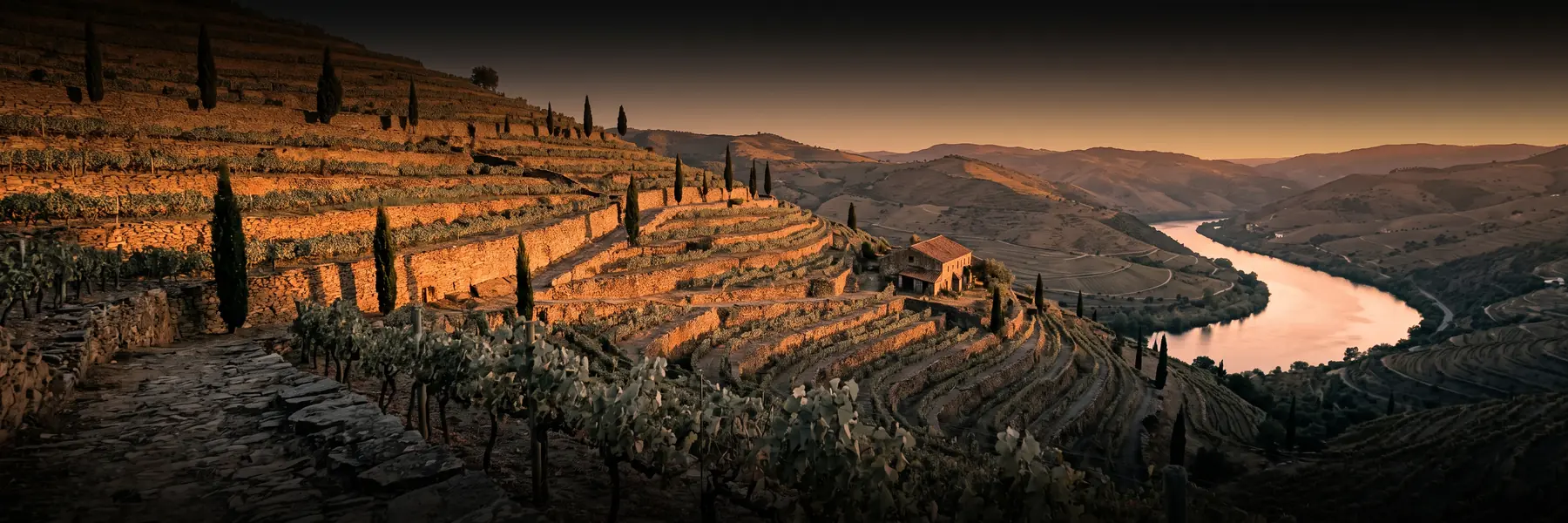
Sancerre sits in the eastern Loire, on a group of steep hills on the left bank of the river, well inland and much closer to Burgundy than to the Atlantic. The hilltop town looks out over a bowl of vineyards.
Three soil families run through the appellation, and their differences are the single most useful thing to know about Sancerre:
| Soil | Local name | What it gives |
|---|---|---|
| Kimmeridgian marl (limestone and clay) | terres blanches | The fullest, richest, longest-lived wines; slowest to open |
| Hard limestone gravel | caillottes / griottes | Fresh, floral, forward; the classic early-drinking Sancerre |
| Flint / silex | silex | The most mineral and smoky; the longest-lived and most sought-after |
Those terres blanches are the same Kimmeridgian formation that makes Chablis — the two regions sit at opposite ends of the same geological arc.
Climate
Continental, not maritime. Cold winters, warm summers, and a genuine spring frost risk on the lower slopes. It is cool enough that Sauvignon retains high acidity, and marginal enough that in poor years the wines can be leanly herbaceous.
The grapes
Sauvignon Blanc for the whites, which are the great majority of production and the appellation's reputation.
Pinot Noir for red and rosé Sancerre — a genuinely underrated wine. Sancerre rouge is light, red-fruited, and unmistakably Loire in its freshness, and in warm vintages it is very good indeed. It is also excellent value compared with Burgundy.
Producers
- Domaine Vacheron — biodynamic; superb across whites and reds
- Lucien Crochet and Domaine François Cotat / Pascal Cotat — the Cotats' Monts Damnés wines are cult bottles from very steep terres blanches
- Henri Bourgeois — large, high quality, wide range across soil types
- Domaine Henri Pellé (better known for neighbouring Menetou-Salon, with a small Sancerre holding), Alphonse Mellot — excellent, with Mellot notable for barrel-influenced cuvées
Style
Grapefruit and lemon rather than passionfruit; blackcurrant leaf, white flowers, wet chalk, gunflint smoke. Medium-bodied, high in acid, dry, with a saline, stony finish. Most Sancerre is drunk within three years, but wines from silex and the best terres blanches slopes can develop honeyed complexity over eight to ten.
What Sancerre teaches your winemaking
Sancerre is the reference for making Sauvignon Blanc restrained on purpose — and restraint here comes almost entirely from what you avoid.
Yield and canopy control the greenness
Sauvignon Blanc's green pepper and asparagus notes come from methoxypyrazines, which are broken down by sunlight on the fruit and are higher in over-cropped, over-shaded vines. If your Sauvignon tastes aggressively green, the cause is usually in the vineyard: too much crop, too dense a canopy, insufficient leaf removal in the fruit zone. See planting your first vineyard for canopy principles.
Thiols are fragile — protect the juice
The tropical and citrus-zest aromas come largely from volatile thiols, which are extremely sensitive to oxidation, to copper, and to heat. Pick cool, get the fruit pressed quickly, protect the juice with SO₂, and avoid contact with brass or copper fittings. A bruised, warm, oxidised Sauvignon juice makes a dull wine no matter what you do later. See understanding SO₂.
Cool, slow fermentation preserves aroma
Ferment in the low to mid teens Celsius. Warm ferments blow volatile aromatics out with the CO₂. See fermentation temperature.
Usually, no malolactic fermentation
Sancerre's tension is the point, and MLF removes it. Keep the wine cool and adequately sulphured after primary to prevent a spontaneous MLF. This is the opposite of the Chablis practice, and worth understanding as a deliberate choice rather than a rule. See MLF explained.
Oak is optional and easy to overdo
Most Sancerre sees no oak at all. A minority of producers ferment or age a portion in barrel, and it can add texture and complexity — but Sauvignon's aromatics and oak vanillin fight rather than combine. If you try it, keep the barrel proportion small and the wood old.
Lees contact instead of oak
Several months on fine lees builds a subtle mouthfeel and a smoky, savoury note without adding any flavour of its own. This is the low-cost route to a more serious Sauvignon Blanc and much easier to get right than barrel work.
Don't skip cold stabilisation
A cool-climate, high-acid, unoaked white with no MLF is the single most likely wine in your cellar to throw tartrate crystals. See cold stabilisation.
For the wider region see the Loire Valley guide; for the flint-driven appellation directly across the river, Pouilly-Fumé; for barrel-fermented, Sémillon-blended Sauvignon, Pessac-Léognan.
Food pairing
Crottin de Chavignol — the local goat's cheese, made a few kilometres away — is the classic and near-perfect match. Also oysters, shellfish, river fish, asparagus, and salads with herbs. Sancerre rouge is lovely, lightly chilled, with charcuterie.
Tip: If you can buy Sauvignon Blanc fruit from more than one source, ferment them separately and taste before blending. Sancerre's whole identity is built on the idea that soil changes the wine more than technique does — and you will find the same thing in your own carboys far more often than you expect.