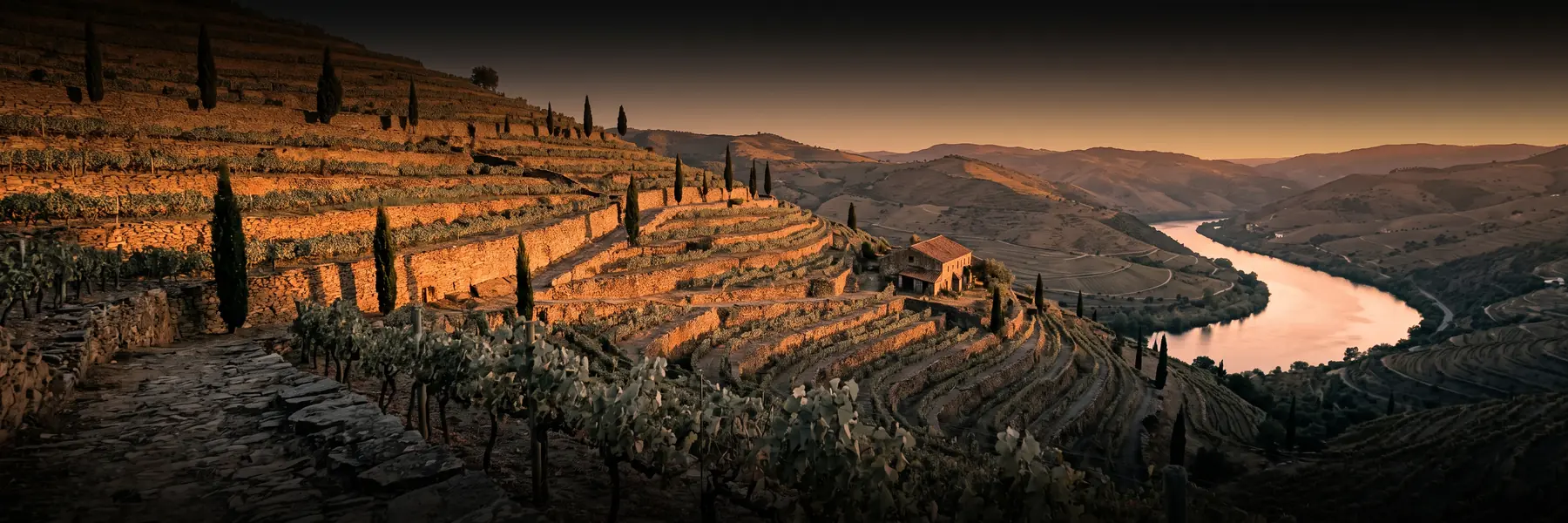
Loire Valley — Sauvignon Blanc, Chenin Blanc, and the Garden of France
Loire Valley — Sauvignon Blanc, Chenin Blanc, and the Garden of France
The Loire Valley stretches 1,000km across central France following the Loire River to the Atlantic. Called the "Garden of France," it is a UNESCO World Heritage site and France's most diverse wine region — producing world-class dry whites, sparkling, sweet, and red wines from a remarkable range of grape varieties.
Sub-Regions
The Loire is divided into four major zones:
Pays Nantais (West)
Atlantic influence; Muscadet (Melon de Bourgogne). The world's benchmark for light, crisp, mineral wines with oysters. Key: sur lie ageing — left on lees until bottling for texture and complexity.
Anjou-Saumur (Centre-West)
Chenin Blanc heartland. Produces dry, off-dry, sparkling (Saumur Mousseux, Crémant de Loire), and the world's greatest sweet wines from Chenin: Coteaux du Layon, Bonnezeaux, Quarts de Chaume.
Red wines from Cabernet Franc: Saumur-Champigny — Loire's most reliable red appellation.
Touraine (Centre)
The most diverse zone. Chenin (Vouvray, Montlouis-sur-Loire) — ranging from bone dry to moelleux. Sauvignon Blanc at Touraine appellation level. Reds: Cabernet Franc from Chinon and Bourgueil.
Central Vineyards (East)
The Sauvignon Blanc heartland. Sancerre and Pouilly-Fumé — the world benchmarks for the variety. Flint, gooseberry, citrus, and cut grass. Sancerre also produces notable Pinot Noir.
Climate
Varies dramatically across 1,000km:
- West (Pays Nantais): Maritime — wet, mild, heavily Atlantic influence
- Centre: Transitional Continental — drier, warmer summers, cold winters
- East (Sancerre, Pouilly): Continental — more extreme seasons, flinty limestone soils
Key Grapes
| Grape | Zone | Style |
|---|---|---|
| Melon de Bourgogne | Pays Nantais | Neutral, mineral, saline Muscadet |
| Chenin Blanc | Anjou, Touraine | Extraordinary range: dry to noble rot; honey, quince, flint |
| Sauvignon Blanc | Touraine, Central | Gooseberry, flint, citrus, grass |
| Cabernet Franc | Anjou, Touraine | Red fruit, fresh, pencil shavings, leafy |
| Grolleau | Anjou | Rosé d'Anjou (usually off-dry) |
| Pinot Noir | Sancerre | Light, elegant, red cherry |
Famous Producers
- Domaine Henri Bourgeois — benchmark Sancerre; also excellent Pouilly-Fumé
- Didier Dagueneau — legendary Pouilly-Fumé; smoky, intense single-vineyard expressions
- Domaine Huet — the greatest Vouvray producer; biodynamic; dry to moelleux
- Château d'Epiré — Savennières (bone-dry Chenin) of great minerality
- Domaine de la Coulée de Serrant — Savennières monopole; biodynamic legend (Nicolas Joly)
- Clos Rougeard — Saumur-Champigny; the benchmark Loire Cabernet Franc
Wine Styles
Muscadet Sèvre et Maine sur lie: Light, saline, mineral. Unmistakable with oysters. The sur lie designation requires the wine to spend at least one winter on its gross lees and be bottled directly off them, no earlier than March of the year following harvest.
Vouvray: Chenin Blanc in every sweetness from bone dry (sec) through demi-sec to moelleux (sweet) and pétillant or mousseux. Unique honeyed, quince character with age.
Sancerre Blanc: Pure, vibrant Sauvignon Blanc. Flint (silex), citrus, white flowers, and a mineral salinity from the limestone soils. Drink 2–5 years.
Chinon Rouge: Loire's most characteristic Cabernet Franc red. Leafy, red fruit, cool freshness. Can age surprisingly well from top producers.
Bonnezeaux & Quarts de Chaume: The world's most overlooked sweet wines. Noble rot Chenin Blanc of extraordinary concentration and longevity at a fraction of Sauternes prices.
Making Loire-Style Wine
Sauvignon Blanc (Sancerre style)
- Harvest 21–23°Bx; pH 3.0–3.2; high TA (7–9 g/L).
- Cool fermentation essential: 13–15°C to preserve thiol and terpene aromatics.
- Yeast: QA23 (the Sauvignon yeast) — maximises passion fruit, citrus, and varietal expression.
- No MLF — preserve acidity and varietal character.
- Bottle with minimal oxygen exposure; drink within 2–3 years.
Chenin Blanc (Vouvray style)
- Chenin is incredibly versatile — decide sweetness level before harvest.
- For demi-sec: harvest at 24–26°Bx, arrest fermentation at desired RS.
- Yeast: VL3 or QA23 — aromatic strains work well.
- Chenin benefits from long ageing on fine lees — 6–12 months adds texture.
- Even dry Chenin can age 10–20 years: acids are the key to longevity.
Cabernet Franc (Chinon style)
- Pick at full physiological ripeness — green tannins and vegetal notes are the main risk.
- Lighter extraction than Cabernet Sauvignon: 10–14 days maceration.
- Low or no new oak — Chinon relies on fresh fruit, not wood character.
- Serve slightly chilled (14–16°C).
Food Pairing
Muscadet: fresh oysters, moules marinières, seafood platters.
Sancerre: goat cheese (crottin de Chavignol), asparagus, white fish.
Vouvray Demi-Sec: fruit tarts, blue cheese, roast pork with apples.
Chinon: charcuterie, rillettes, grilled chicken, mushroom dishes.
Tip: Chenin Blanc is one of the most age-worthy white grapes on the planet. When making it, lean into the acidity — don't try to soften it. That tension between richness and freshness is what makes it extraordinary after 10 years in bottle.