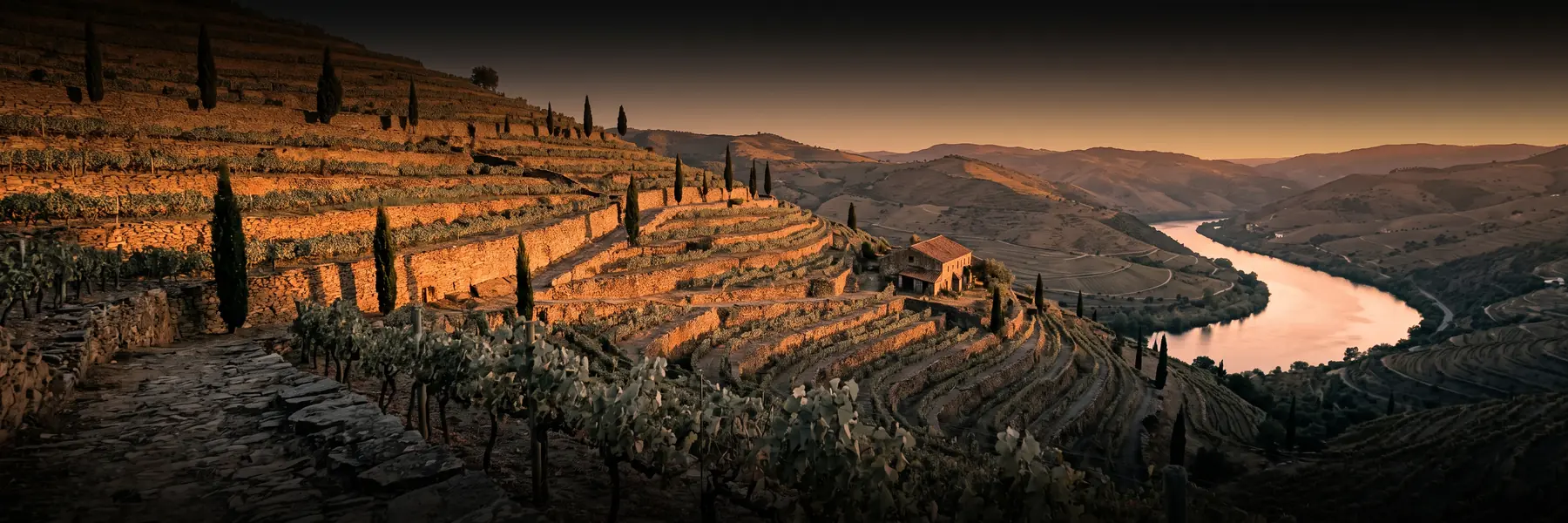
Pessac-Léognan — Bordeaux's Only Appellation Classified for Red and White
Pessac-Léognan — Bordeaux's Only Appellation Classified for Red and White
Pessac-Léognan is the oldest vineyard land in Bordeaux and the newest name. Vines were planted in the northern Graves centuries before the Médoc marshes were drained, and Château Haut-Brion was being sold by name in London in the seventeenth century — long before the idea of a Bordeaux classification existed. Yet the appellation itself was only created in 1987, carved out of the northern end of Graves to separate its historic estates from the larger, plainer region to the south.
Geography
The appellation wraps around the southern suburbs of the city of Bordeaux, running from Pessac and Talence — where Haut-Brion and La Mission Haut-Brion are now genuinely urban vineyards — south-west through Léognan and Martillac.
Graves means gravel, and that is the defining soil: deep gravel and sand over clay and limestone. Compared with the Médoc there is more sand in the mix and the sub-soils are more varied, which is part of why the appellation can ripen both Cabernet Sauvignon and Merlot well and still produce whites with tension.
The urban location has a real viticultural effect. The city's heat island makes the northern end of the appellation one of the earliest-ripening parts of Bordeaux, and Haut-Brion is famous for coming through cool, difficult vintages better than most.
Climate
Maritime, with a distinct warming influence from the built-up area to the north and from the pine forest of the Landes to the south, which shelters the vineyards from Atlantic wind. Spring frost is a risk on the low ground; autumn rain is the usual vintage decider.
Two classifications, not one
This is where Pessac-Léognan is genuinely unusual:
- The 1855 classification ranked only Médoc estates — with one exception. Château Haut-Brion was included as a First Growth because its reputation was impossible to ignore. It remains the only non-Médoc property in the red-wine list.
- The 1959 Graves classification ranked estates for red wine, for white wine, or for both. It has never been revised. Because it covers whites, Pessac-Léognan is the only part of Bordeaux where a dry white wine carries a formal cru classé ranking.
The grapes
Reds are Cabernet Sauvignon and Merlot led, with Cabernet Franc and small amounts of Petit Verdot — the same palette as the Médoc, generally in more even proportions.
Whites are Sauvignon Blanc and Sémillon, sometimes with a little Sauvignon Gris or Muscadelle. This is the great dry white blend of France: Sauvignon supplies aroma, citrus and acid; Sémillon supplies body, lanolin texture and the capacity to age for decades.
Estates
- Château Haut-Brion — First Growth; the red is famously earthy, tobacco-and-warm-brick scented; the tiny production of Haut-Brion Blanc is one of the world's most expensive dry whites
- Château La Mission Haut-Brion — across the road, denser and more overtly powerful
- Domaine de Chevalier — classified for both colours; its white is a benchmark for barrel-fermented Sauvignon–Sémillon
- Château Pape Clément — historically owned by the future Pope Clement V; rich, modern-styled reds and whites
- Château Smith Haut Lafitte and Château Carbonnieux — both excellent in both colours
Style
Reds: medium-full, with cassis and dark plum but also a distinctive savoury, smoky, warm-earth character often described as tobacco, ash or hot brick. Fine tannin; less monolithic than Pauillac.
Whites: the most serious dry whites in Bordeaux. Young, they show grapefruit, lemon zest, white flowers and toasty oak; at ten to twenty years they turn honeyed, waxy and nutty while keeping their acid. Very few New World Sauvignon Blancs attempt this and fewer succeed.
What Pessac-Léognan teaches your winemaking
The reds follow Left Bank practice — see Pauillac and the Bordeaux guide. The whites are where this appellation has something almost nobody else teaches: how to make a dry white with texture and ageing capacity rather than just aroma.
Blend for structure, not just perfume
Straight Sauvignon Blanc gives you aroma and acid and very little middle. Sémillon is the fix: lower in aroma, higher in body, with a waxy palate weight that fills the gap and is the main reason white Graves ages. A blend somewhere between mostly-Sauvignon and roughly half-and-half is the classic range; trial it.
Ferment in barrel, on lees
Barrel fermentation integrates oak far more seamlessly than ageing a finished wine in oak, and lets fine lees contact the wood. Follow it with lees contact and periodic stirring for texture. Our Chardonnay styles guide covers barrel fermentation and bâtonnage technique in detail — the mechanics are identical here.
Usually, block malolactic fermentation
Unlike white Burgundy, dry white Bordeaux is normally made without MLF. The blend already has body from Sémillon and oak; keeping the malic acid is what preserves the citrus drive and the ageing structure. Keep the wine cool and adequately protected with SO₂ after primary to prevent spontaneous MLF. See MLF explained and understanding SO₂.
Protect thiols at the press
Sauvignon Blanc's grapefruit and passionfruit character comes largely from volatile thiols, which are fragile and oxidation-sensitive. Pick cool, press gently, avoid picking up oxygen and copper before fermentation, and settle the juice well. Over-oxidised Sauvignon juice makes a dull wine that no amount of oak will rescue.
Judge oak against the fruit, not the fashion
Classified white Graves uses a meaningful proportion of new barrels because the fruit has the concentration to absorb it. Home-scale fruit rarely does. Aim for oak you can only notice when you look for it — see barrel ageing basics.
Food pairing
Reds: lamb, game birds, mushrooms, hard cheeses. Whites: scallops, turbot, crab, roast chicken, and — for a mature bottle — anything with a butter or cream sauce.
Tip: If you have ever made a Sauvignon Blanc that smelled wonderful and disappeared on the palate, this is the appellation to copy. Add Sémillon (or, failing that, a barrel-fermented, lees-aged portion of your own Sauvignon) and blend the two. Aroma plus texture is a different wine entirely.