Toro — Old Bush Vines, Extreme Heat, and Tinta de Toro
Toro — Old Bush Vines, Extreme Heat, and Tinta de Toro
Toro was making wine for the Spanish court and shipping it to the New World centuries before anyone had heard of Ribera del Duero, then spent most of the twentieth century as an anonymous source of strong, cheap red. Its rediscovery from the 1990s onward — Vega Sicilia arriving in 1997, then LVMH buying Numanthia in 2008 — was based on something no marketing could invent: large plantings of very old, ungrafted, own-rooted bush vines. Toro is where you go to see what Tempranillo does when nothing is holding it back.
Geography
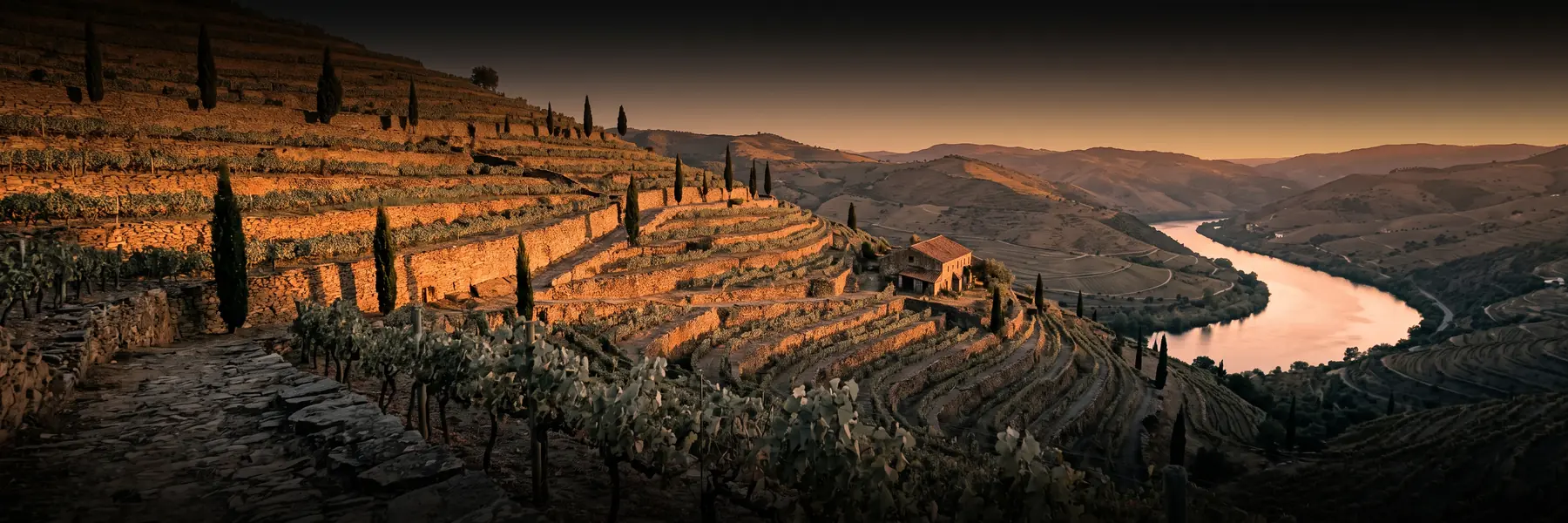
Toro sits on the Duero river in Zamora province, west of Ribera del Duero and upstream of Portugal's Douro — the same river, three very different wine cultures. Vineyards sit on a high plateau, roughly 600–750 m, on soils that are the region's other great asset: deep, sandy, alluvial and stony ground.
That sand is why Toro has pre-phylloxera vines. The louse struggles in loose, dry sandy soils, so a significant area of ungrafted vineyard — much of it very old, planted as widely spaced individual bush vines (en vaso) — survived. Yields from these vines are tiny and the fruit is intensely concentrated.
Climate
Extreme continental. Long, ferociously hot, dry summers; cold winters; spring frost risk; a large diurnal swing that is the only reason the grapes retain any acidity at all. Rainfall is low, which suppresses disease and yields alike. The vines are dry-farmed and widely spaced because there is not enough water to support anything denser.
Tinta de Toro
Tinta de Toro is a local biotype of Tempranillo, and centuries of adaptation have made it a different animal from the Tempranillo of Rioja:
- Smaller berries with a higher skin-to-juice ratio — more colour, more tannin
- Thicker skins — more extract, more resistance to heat and sunburn
- High sugar accumulation — 15% alcohol is normal, not exceptional
- Modest acidity — the region's principal balance problem
Garnacha is permitted in small proportions, and the white Malvasía and Verdejo appear in tiny volumes.
Wine Style
Opaque purple-black. Black plum, blackberry, liquorice, dark chocolate, coffee, mineral dust, and — with age — leather and dried fig. Full-bodied, powerful, with substantial ripe tannin and a warm, glycerol-rich texture. Alcohol is high and honest about it.
The distinction from Ribera del Duero is real: Ribera has more altitude-driven freshness and more polish, Toro has more mass and more visceral intensity. At its worst Toro is jammy, hot and drying; at its best it is one of Europe's most impressive expressions of dry-farmed old vines.
Producers
- Numanthia (LVMH) — Numanthia and Termanthia; the wines that made the region's international case
- Pintia (Vega Sicilia) — the Álvarez family's Toro project; more restrained and precise
- Maurodos / San Román — Mariano García's estate; arguably the most complete wines in the DO
- Bodegas Fariña — long-established; good value, honest classicism
- Teso La Monja (the Eguren family) — powerful, modern
What Toro Teaches: Handling Very Ripe Fruit
This is the practical value of the region for a winemaker, because everyone who grows red grapes in a warm site eventually faces Toro's problems.
1. Alcohol is a structural decision, not an accident. Work out where you will land before you pick. Run your Brix through the calculators; if the answer is 15.5% and you do not want that, the fix is in the vineyard and the picking date, not the cellar. Also read reading grape chemistry.
2. Watch your yeast's alcohol tolerance. A must at 26–27 °Bx will stall with a strain rated to 14%. Choose a high-tolerance strain, keep fermentation temperature under control, and stage your nutrient additions rather than dumping them at pitch. See choosing your yeast and stuck fermentation.
3. Extract less, not more. This is the counter-intuitive one. Thick-skinned, small-berried fruit gives up colour and tannin readily; combine that with high alcohol — which is itself a powerful solvent for tannin — and a long, aggressive maceration produces a wine that is drying and bitter. Shorten the maceration, lighten the cap work, and let the fruit do it. See tannin management and punch-down vs pump-over.
4. Acid needs a decision. Ripe warm-climate must often arrives with pH above 3.7, at which point SO₂ becomes much less effective and microbial risk rises sharply. Tartaric addition pre-fermentation is normal practice in Toro and there is nothing dishonourable about it. Measure first — see pH and TA — and adjust to a target rather than by taste.
5. Oak is for polish, not for weight. A wine with this much mass does not need more. French oak, moderate new-wood percentage, and long enough for the tannin to knit. Read barrel ageing basics.
6. High-alcohol wines age differently. They do not close down and re-emerge the way a classically balanced red does. Toro tends to drink well early and hold, rather than improving dramatically. Set your expectations accordingly.
Food Pairing
The regional answer is roast suckling lamb (lechazo asado) and it is unimprovable. Otherwise: charred beef, oxtail, chorizo-heavy stews, mature Zamorano cheese. This is not a wine for fish or for subtlety.
Tip: If you have a warm site and your reds keep coming out at 15% and tasting hot, try picking one row a week earlier and vinifying it separately. Blending 20% of the earlier pick back into the main lot is the cheapest possible way to recover freshness — and it is what most good Toro producers now do.