Rioja — Tempranillo, Oak, and Spain's Most Famous Wine
Rioja — Tempranillo, Oak, and Spain's Most Famous Wine
Rioja is Spain's most internationally recognised wine region and the defining benchmark for Tempranillo. Its wines — aged according to a strict classification system in American oak — have an unmistakable character: red fruit, vanilla, dill, and tobacco that is immediately recognisable.
Geography
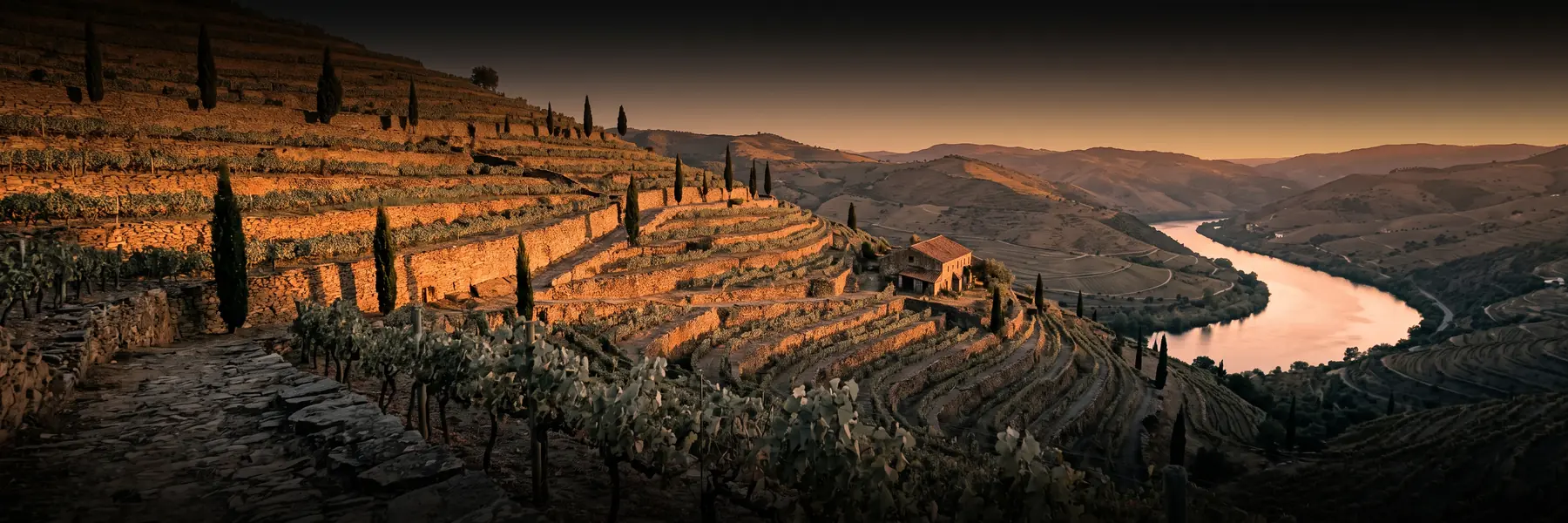
Rioja lies along the Ebro River valley in northern Spain, sheltered by the Sierra Cantabria mountains to the north. Three sub-zones have distinct characters:
- Rioja Alta — western; higher altitude; cooler; red clay soils; considered the finest zone; wines of elegance and freshness
- Rioja Alavesa — north bank of the Ebro; the smallest zone, in the Basque Country; limestone-clay; structured, mineral
- Rioja Oriental (formerly Baja) — east and lower; hotter, drier, alluvial soils; higher-yielding; bolder, riper wines; large volume production
Climate
Continental with Atlantic influence in the west; becoming more Mediterranean toward the east. The Sierra Cantabria mountains protect from Atlantic rain while allowing cool air influence. The Ebro River moderates extremes.
Key Grapes
| Grape | Type | Role |
|---|---|---|
| Tempranillo | Red | Backbone of Rioja; red cherry, tobacco, leather, herbs |
| Garnacha (Grenache) | Red | Blending; higher alcohol, red fruit |
| Graciano | Red | Aromatic; violet, freshness; increasingly valued as single variety |
| Mazuelo (Carignan) | Red | Tannin, acidity in blends |
| Maturana Tinta | Red | Rare indigenous variety |
| Viura (Macabeo) | White | Classic Rioja white; floral, crisp |
| Malvasía Riojana | White | Richer blending white |
| Garnacha Blanca | White | Richer blending white |
The Ageing Classification
Rioja's most distinctive feature is its classification based on oak ageing:
| Category | Ageing requirement |
|---|---|
| Rioja (sin crianza) | No minimum oak ageing |
| Crianza | Minimum 2 years total (1 year in oak minimum) |
| Reserva | Reds: minimum 3 years total (1 year in oak). Whites/rosados: minimum 2 years total (6 months in oak) |
| Gran Reserva | Minimum 5 years total — 2 years in oak + 3 years in bottle |
These are minimums. The best producers age significantly longer.
White Rioja
Traditional white Rioja — extended oak ageing of Viura — produces a distinctive, rich, nutty wine with a deep golden colour. This style fell out of fashion for decades but is seeing a revival as consumers seek alternatives to heavily oaked Chardonnay.
Modern-style white Rioja: unoaked or briefly oaked Viura; fresh, citrus, aromatic. Very different from the traditional style.
The Oak Question: American vs French
Rioja's traditional use of American oak (Quercus alba) produces the region's signature vanilla and dill character. American oak has a wider grain and releases more vanillin than French oak.
Since the 1980s–1990s, many producers have shifted toward French oak for more subtle spice and tannin without the strong vanilla. The result is a style closer to Bordeaux or Burgundy in oak character but with Spanish fruit.
Today, many producers blend American and French barrel ageing for complexity.
Famous Producers
- CVNE (Compañía Vinícola del Norte de España) — historic house; Imperial Reserva and Gran Reserva are benchmarks
- La Rioja Alta — outstanding traditional producer; 904 Gran Reserva is iconic
- Marqués de Murrieta — one of the oldest estates; Castillo Ygay Gran Reserva Especial is a Rioja legend
- López de Heredia — the most traditional producer in Rioja; extended ageing; Viña Tondonia releases wines with 10+ years in barrel and bottle; unique, antique style
- Muga — respected; very consistent across all levels
- Artadi — modern approach; single-vineyard focus; helped shift Rioja toward more terroir-driven expression (and left the DOCa altogether at the end of 2015 over the labelling issue — its wines no longer say Rioja)
Wine Styles
Crianza: Ready to drink; fruit forward with noticeable vanilla and tobacco oak. The most widely consumed Rioja style.
Reserva: More complex; secondary flavours beginning; leather, dried fruit, cedar alongside red cherry and vanilla. Peak drinking 8–15 years.
Gran Reserva: Only from exceptional vintages. Complex, tertiary character; forest floor, dried fruit, tar, cedar, dried tobacco. Peak drinking 15–30+ years.
Traditional white Rioja (López de Heredia style): Nutty, oxidative, unique. Gold to amber colour. More like an aged Burgundy than any modern white. Totally different from conventional white wine.
Making Tempranillo / Rioja Style
Harvest
- Target: 22–24°Bx (Rioja is rarely picked very ripe — the vanilla of oak is not a substitute for natural fruit character).
- pH 3.4–3.6; TA 5.5–7 g/L.
Fermentation
- Ferment at 25–28°C.
- 10–16 day maceration for Reserva/Gran Reserva style.
Yeast
- RC212 — traditional red wine character; spice and structure
- BDX — the Bordeaux-red isolate; reliable for Tempranillo
MLF
Always. Tempranillo benefits significantly from MLF softening.
Oak Strategy
- American oak for traditional Rioja character: vanilla, dill, coconut; 12–24 months.
- French oak for modern approach: cedar, spice, more restrained; 12–18 months.
- Blend old and new barrels: 40–60% new for Reserva; 20–30% for Crianza.
- American oak barrels are significantly cheaper than French — an important consideration.
Food Pairing
Young Rioja (Crianza): tapas (jamón, chorizo, patatas bravas), grilled lamb chops, barbecued meats.
Reserva: roast lamb, roast suckling pig (cochinillo), aged Manchego.
Gran Reserva: slow-cooked game, roasted whole lamb (lechal), aged hard cheeses.
Tip: When sourcing American oak barrels for Tempranillo, look for medium-toast American barrels (not heavy toast). Heavy toast can be overpowering and produce a "vanilla extract" character rather than the elegant dill-and-cedar complexity of good Rioja.