Chianti Classico — The Black Rooster, Sangiovese, and the Gran Selezione
Chianti Classico — The Black Rooster, Sangiovese, and the Gran Selezione
Chianti Classico spent much of the twentieth century paying for its own name. "Chianti" grew to cover a huge area of Tuscany, much of it producing thin, over-cropped wine in straw-covered flasks, and the historic heartland — the hills between Florence and Siena where the name originated — was dragged down with it. The last forty years have been a sustained and largely successful effort to separate the two.
The mark of the real thing is the Gallo Nero, the black rooster seal, which appears on every bottle of Chianti Classico.
Geography
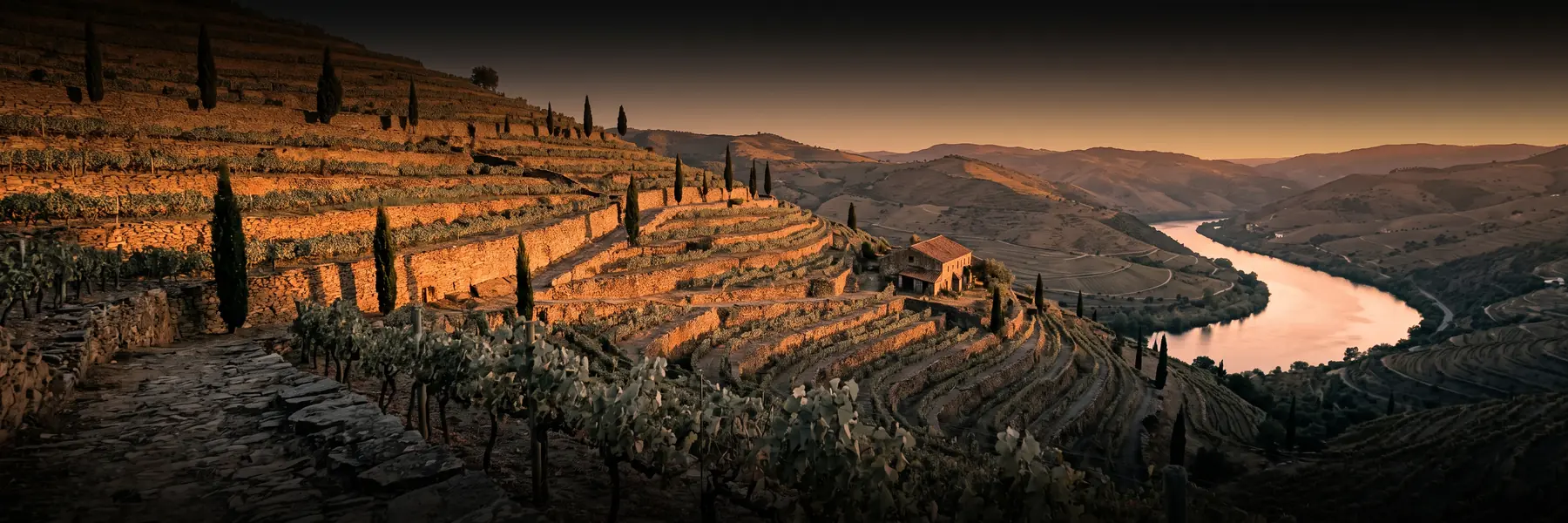
The zone occupies the hills between Florence and Siena, at altitudes generally between about 250 m and 600 m. The two characteristic soils are galestro, a friable schistous marl that fractures easily and drains well, and alberese, a hard limestone (compact calcareous marl). Both are poor, stony and well drained — exactly what Sangiovese needs, since on fertile ground it over-crops and produces dilute wine.
Altitude is the other key variable. Higher, cooler sites give more perfumed, higher-acid wines that ripen later; lower ones give riper, fuller wines. Cool nights across the zone preserve acidity and aromatics.
Since 2023 the appellation has recognised eleven named sub-zones (UGA) — including Panzano, Lamole, Radda, Gaiole, Castellina, Greve, San Casciano, Montefioralle, Vagliagli, San Donato in Poggio and Castelnuovo Berardenga — which may appear on Gran Selezione labels. It is Chianti Classico's move toward a Burgundian, site-based hierarchy.
The blend
- Minimum 80% Sangiovese
- Up to 20% of permitted complementary varieties — the traditional Tuscan Canaiolo and Colorino, and the international Cabernet Sauvignon and Merlot
- White grapes have been banned since 2006. This matters historically: the old formula, attributed to Baron Bettino Ricasoli in the nineteenth century, included white Malvasia, and the requirement to include white grapes in mid-twentieth-century Chianti DOC was one of the direct causes of the Super Tuscan movement — producers such as Antinori with Tignanello simply left the appellation rather than dilute their wine, labelling it as humble vino da tavola and selling it for more than the DOC wines.
The three tiers
| Tier | Requirement |
|---|---|
| Chianti Classico (Annata) | The base tier; released after roughly a year |
| Riserva | Minimum 24 months ageing before release |
| Gran Selezione | Minimum 30 months; estate-grown fruit only. A revision approved in 2021 requires a minimum of 90% Sangiovese with only traditional Tuscan complementary varieties permitted — international varieties excluded — mandatory from the 2027 vintage (producers may comply earlier); the UGA sub-zone labels have applied since July 2023 |
The Gran Selezione revision is significant: it deliberately pushes the top tier back toward pure Sangiovese and toward site expression, and away from the Cabernet-influenced style of the 1990s.
Climate
Mediterranean, moderated by altitude. Warm, dry summers with cool nights; the main risks are late-season rain at harvest and, increasingly, summer drought and heat spikes.
Producers
- Fontodi — Panzano; the Flaccianello della Pieve (a pure Sangiovese Super Tuscan) and an outstanding Gran Selezione
- Isole e Olena — the Cepparello Sangiovese is a benchmark
- Castello di Ama — single-vineyard Sangiovese of great refinement
- Antinori — the Tignanello estate; the wine that ignited the Super Tuscan movement inside Chianti (Sassicaia, in Bolgheri, predates it)
- Riecine, Monteraponi, Istine, Castell'in Villa, Badia a Coltibuono — the traditional and terroir-focused end of the zone
Style
Bright, translucent ruby-garnet. Sour cherry, red plum, dried herbs, tobacco, tea leaf and a distinct savoury, earthy note. High acidity, medium body, firm and often slightly rustic tannin, and a dry finish. Annata wines drink from two to six years; Riserva and Gran Selezione from five to fifteen or more.
What Chianti Classico teaches your winemaking
Sangiovese needs help, and knowing which help matters
The appellation's whole history is an argument about how to complete Sangiovese. The grape gives acid, aroma and tannin; it is short on colour, mid-palate weight and tannin softness.
- Colorino, as its name suggests, is a pigment grape. A few per cent adds colour depth to a wine that has none to spare — and stable colour means better tannin softening, since anthocyanins bind with tannins to form less astringent polymers.
- Canaiolo softens and adds a rounder, gentler texture without adding much aroma.
- Merlot adds flesh and lowers the acid perception, at the cost of varietal character.
- Cabernet Sauvignon adds colour and structure — but its aromatic signature dominates Sangiovese quickly, which is precisely why the new Gran Selezione rules exclude it.
The lesson is to know what each blending component is for. See blending theory.
80% is a floor, not a target
The best wines in the zone are mostly well above the Sangiovese minimum, and many are 100%. Blend to fix a specific deficiency, not out of habit.
Yield discipline is everything with Sangiovese
Sangiovese overcropped is the definition of bad Chianti: pale, sharp, thin and tannic. This grape more than most rewards a small crop on poor soil. If you are buying fruit, ask about yields.
Gentle extraction, moderate temperature
Sangiovese's tannin-to-pigment ratio means over-extraction produces astringency without depth. Ferment in the mid-20s °C, keep cap work moderate, and press when the tannin is grippy rather than drying. See tannin management.
Large neutral wood, and MLF always
Traditional Chianti Classico is raised in botti rather than barriques, for the same reason as Brunello — slow oxygen, no added flavour. And a Sangiovese that has not completed MLF is genuinely harsh; see MLF explained and barrel ageing basics.
The Super Tuscan lesson about rules
Antinori's response to a bad regulation was to leave the appellation and make a better wine. If a rule prevents you making the wine you believe in, being honest about what you have made and labelling it accordingly is a better answer than compromising the wine. See EU labelling for what you must and must not say.
For the wider region see the Tuscany guide; for pure Sangiovese under long ageing, Brunello di Montalcino and Vino Nobile di Montepulciano.
Food pairing
Ribollita, pappa al pomodoro, pasta with tomato and meat ragù, bistecca, salumi, pecorino. Sangiovese's high acidity is the reason it works so well with tomato — the two acids match rather than fight.
Tip: If your Sangiovese is pale and astringent, add 3–5% of the darkest, most pigment-rich red you have and taste. The improvement usually surprises people — you are not just adding colour, you are giving the tannins something to bind to, and the finish softens as a result.