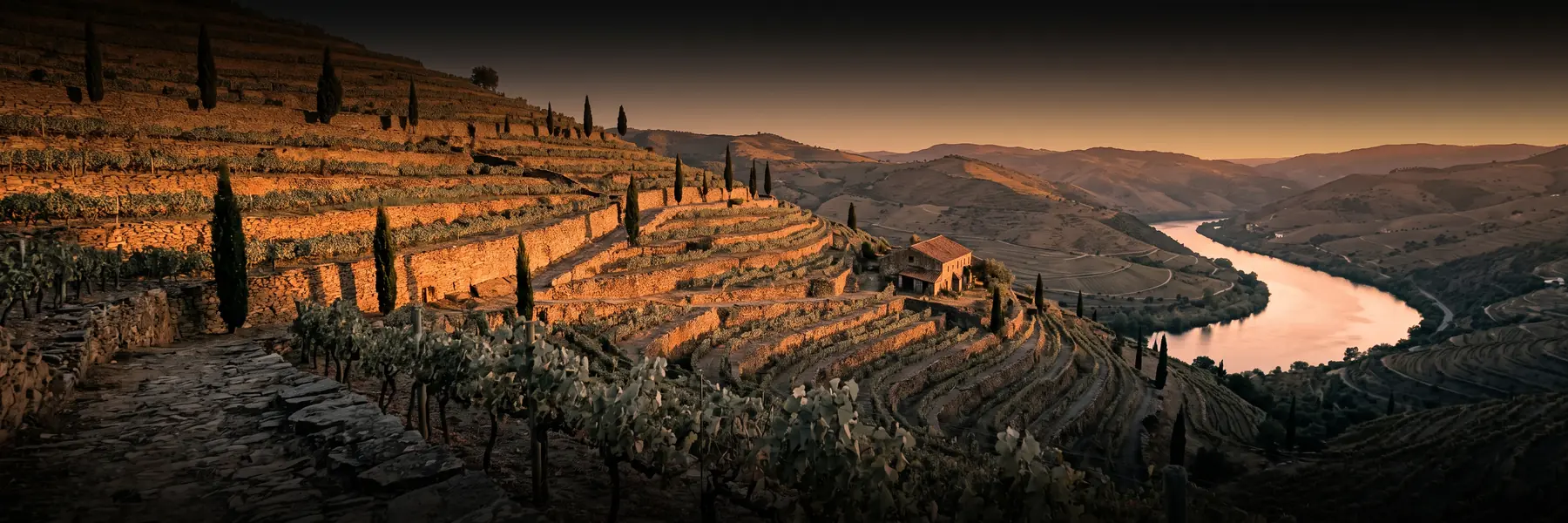
Tuscany — Sangiovese, Supertuscans, and the Heart of Italian Wine
Tuscany — Sangiovese, Supertuscans, and the Heart of Italian Wine
Tuscany is Italy's most famous wine region and one of the world's great wine producing areas. From the rolling hills of Chianti to the coastal strip of Bolgheri, it offers the full range of Italian wine quality: from everyday Chianti to Brunello di Montalcino and Super Tuscan icons that command prices rivalling Bordeaux's greatest châteaux.
Geography
Tuscany is diverse. Key zones:
- Chianti Classico — heart of historical Chianti; between Florence and Siena on rolling galestro (schist-clay) hills
- Chianti (broader zone) — surrounds Classico; more variable quality
- Brunello di Montalcino — single hill town south of Siena; the most prestigious Tuscan appellation
- Vino Nobile di Montepulciano — elevated town southeast of Siena; benchmark Sangiovese
- Morellino di Scansano — Maremma; coastal, earlier ripening Sangiovese
- Bolgheri — coastal strip; international varieties (Cabernet, Merlot, Syrah); the Super Tuscan heartland
- Vernaccia di San Gimignano — the classic Tuscan white; dry, mineral
Climate
Mediterranean with Continental influence. Hot summers, cold winters. Altitude is critical — Chianti Classico vineyards mostly sit between roughly 250 and 500m; Montalcino runs from about 150m up to a 600m regulatory ceiling, with most sites well below 500m. These elevations bring cool nights essential for retaining acidity in Sangiovese.
Key Grapes
| Grape | Role |
|---|---|
| Sangiovese | Dominant red; the backbone of all major Tuscan DOCGs |
| Cabernet Sauvignon | Key to Super Tuscans (Sassicaia, Ornellaia) |
| Merlot | Blending; Masseto (100% Merlot) is world-class |
| Syrah | Growing presence, especially in Maremma |
| Vernaccia | Only significant native Tuscan white |
| Trebbiano Toscano | Traditional blending white; diminishing use |
| Malvasia | Blending white in traditional Chianti |
The DOCGs
Brunello di Montalcino DOCG: 100% Sangiovese Grosso (Brunello). Minimum 5 years ageing (2 in oak). The most powerful and age-worthy Tuscan red. Takes 10–40+ years to fully open.
Chianti Classico DOCG: Minimum 80% Sangiovese. Key categories:
- Annata (standard)
- Riserva — minimum 24 months ageing
- Gran Selezione — single vineyard or best barrels; minimum 30 months (from 2014)
Vino Nobile di Montepulciano DOCG: Minimum 70% Sangiovese (Prugnolo Gentile). Similar in style to Chianti Classico but with its own distinctive floral, spicy character.
Rosso di Montalcino / Rosso di Montepulciano: The "second wine" categories; Sangiovese with less ageing requirement. Excellent value entry points to Montalcino and Montepulciano.
Super Tuscans
In the 1970s–1980s, progressive producers broke DOC rules by using international varieties (then not permitted) and releasing under the lowly Vino da Tavola designation. The quality was so high that a new IGT (Indicazione Geografica Tipica) category was eventually created.
Key Super Tuscans:
- Sassicaia (Tenuta San Guido) — Cabernet Sauvignon/Cab Franc; the first and most famous
- Ornellaia (Bolgheri) — Cabernet-dominant blend; the second wine is Le Serre Nuove (Poggio alle Gazze is their Sauvignon-based white)
- Masseto (Bolgheri) — 100% Merlot; extraordinary concentration; rivals Pétrus
- Tignanello (Antinori) — 80% Sangiovese, 15% Cabernet Sauvignon, 5% Cab Franc; the template for Sangiovese-international blends
- Solaia (Antinori) — Cabernet Sauvignon-dominant; rich, powerful
Famous Producers
- Biondi-Santi — the family that created Brunello; traditional, austere, incredible longevity
- Antinori — enormous quality across multiple estates; Tignanello, Solaia, Guado al Tasso
- Gaja — Piedmont's most famous name; acquired Pieve Santa Restituta (Montalcino) and Ca' Marcanda (Bolgheri)
- Ciacci Piccolomini — benchmark Brunello; accessible and excellent value
- Isole e Olena — outstanding Chianti Classico; Paolo De Marchi's life's work
- Montevertine — pure Sangiovese; "Le Pergole Torte" (first vintage 1977) is the pioneering 100% Sangiovese Super Tuscan, made outside the DOC rules
Making Sangiovese
Sangiovese is high-acid, high-tannin, and transparently expressive of terroir. It demands respect.
Harvest
- Sangiovese is a late ripener — resist picking early. Underripe Sangiovese is harsh and green.
- Target: 23–25°Bx; pH 3.4–3.7; TA 6–8 g/L.
Fermentation
- Ferment at 25–30°C with regular pump-overs (2–3/day).
- Standard maceration: 12–18 days for Chianti style; 20–30+ days for Brunello.
- Extended maceration on skins after fermentation is common for Brunello.
Yeast
- RC212 — classic red wine strain; spice, structure
- BM 4x4 — steady in structured reds; dark fruit and mouthfeel
- Spontaneous fermentation is common among traditional producers
MLF
Always encourage. Sangiovese's naturally high acidity benefits greatly from MLF conversion.
Oak
- Traditional: large Slavonian oak botte (5,000–10,000L); little oak flavour, micro-oxygenation
- Modern: French barriques (225L), 40–60% new for Brunello; 20–30% for Chianti Classico
- Hybrid: some barriques plus some tonneaux (500L) — increasingly popular
Food Pairing
Chianti Classico: bistecca fiorentina, pappardelle al cinghiale (wild boar pasta), pecorino, salumi.
Brunello: roast wild boar, aged beef, Parmigiano-Reggiano, truffle dishes.
Super Tuscans: rack of lamb, beef tenderloin, aged hard cheeses.
Tip: Sangiovese's biggest winemaking challenge is the gap between sugar ripeness and phenolic/physiological ripeness. The grapes can reach Brix targets while the tannins are still green. Always taste seeds and skins for ripeness alongside measuring sugar.