Prosecco Superiore — Glera, the Tank Method, and Cartizze
Prosecco Superiore — Glera, the Tank Method, and Cartizze
Prosecco is the most commercially successful sparkling wine in the world, and its success has largely obscured the fact that a serious version exists. The hillside DOCG of Conegliano Valdobbiadene Prosecco Superiore — with its named-site Rive bottlings and its tiny Cartizze cru — is a different proposition from the flat-land Prosecco DOC that fills supermarket shelves. Understanding the difference is worth the effort, and understanding how it is made is one of the more useful things a home winemaker can learn.
Geography
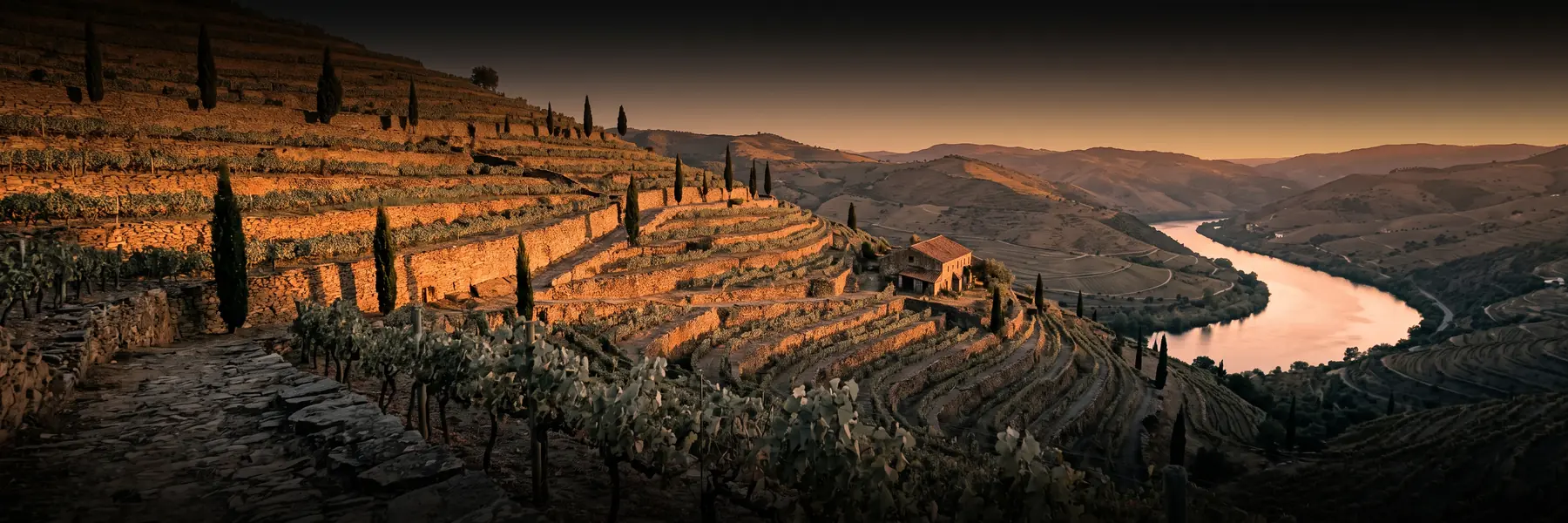
The DOCG zone runs along a series of steep, ridged hills in the province of Treviso, between the towns of Conegliano and Valdobbiadene, north of Venice and south of the Dolomite foothills. The terrain is dramatic and the slopes are worked almost entirely by hand — the vineyards were recognised as a UNESCO World Heritage cultural landscape in 2019 for exactly that reason.
Within the DOCG there is a clear hierarchy:
| Level | What it means |
|---|---|
| Conegliano Valdobbiadene Prosecco Superiore DOCG | The hillside appellation |
| Rive | Wines from a single named village or hamlet — 43 Rive are recognised; hand-harvested, lower yields, vintage-dated |
| Valdobbiadene Superiore di Cartizze DOCG | The single small hill above Valdobbiadene, around 100 hectares, that acts as the zone's grand cru |
Below the DOCG sits the much larger Prosecco DOC, covering a vast area of the Veneto and Friuli, mostly on flat, fertile land, and Asolo Prosecco DOCG on hills to the south-west.
The grape
Glera, formerly and confusingly known simply as "prosecco" until the name was reserved for the wine in 2009. A minimum of 85% Glera is required, with the balance drawn from a permitted list including the local Verdiso, Bianchetta Trevigiana, Perera and Glera Lunga, plus Chardonnay and the Pinots.
Glera is neutral to mildly aromatic, naturally moderate-to-low in acidity, and gives pear, green apple, white flowers and a faint almond note. It is not a grape with the acid structure or the flavour intensity for long ageing, and Prosecco is not trying to be Champagne.
Climate
Sub-alpine. Morning fog and cool nights from the mountains, warm sunny afternoons, and enough diurnal swing to keep aromatics fresh. The hillside sites' drainage and their varied morainic and marl soils are what give the DOCG wines their extra definition.
The tank method — and why it matters here
This is the technical heart of the appellation. Prosecco is made by the Charmat or Martinotti method (Italy prefers the latter name, after Federico Martinotti, who patented an early version): the second fermentation happens in a pressurised tank, and the wine is then filtered and bottled under pressure.
Champagne, by contrast, ferments the second time in the bottle, and the wine then rests on the yeast lees for years.
The difference is not a matter of quality shortcuts — it is a deliberate stylistic choice:
- Tank method preserves primary fruit aromatics. The wine spends little time on lees and never develops the bready, autolytic character of Champagne. For a variety like Glera, whose charm is fresh pear and blossom, that is the right decision. Making Glera by the traditional method would smother the only thing it has.
- Prosecco is bottled at lower pressure than Champagne — typically around 5 bar for a spumante rather than 6 — giving a softer, foamier mousse rather than a fine persistent bead.
- Prosecco is made to be drunk young. There is no reason to cellar it.
There is also a small artisanal tradition of Col Fondo — Prosecco refermented in bottle and left undisgorged, sold cloudy with its lees. It is a different, drier, more savoury and rather more interesting wine, and increasingly fashionable.
The sweetness scale
Reading a Prosecco label properly means reading the sweetness term:
| Term | Roughly |
|---|---|
| Brut Nature / Pas Dosé | Bone dry |
| Extra Brut | Very dry |
| Brut | Dry |
| Extra Dry | Off-dry — and, confusingly, sweeter than Brut |
| Dry | Sweeter still |
Extra Dry is the traditional Prosecco level, though Brut has been gaining on it fast in the DOCG through the 2020s. Cartizze is classically made in the Dry or Extra Dry register, which is why it tastes richer than people expect.
Producers
- Bisol — historic Valdobbiadene house, excellent Cartizze
- Nino Franco — the reference for serious, dry, site-driven Prosecco
- Ruggeri, Adami, Le Colture, Canevel — consistently high quality across the Rive
- Casa Coste Piane — the reference for Col Fondo
What Prosecco teaches your winemaking
Match the method to the grape
This is the transferable lesson. Traditional-method sparkling wine is more prestigious and more difficult, and it is the wrong choice for neutral, low-acid, aromatically fresh fruit. If your base wine's charm is primary fruit, do not bury it under two years of lees.
Conversely, if you have high-acid, neutral base wine — a difficult Chenin or an under-ripe Chardonnay — the traditional method is exactly right. See our Champagne guide for that technique, and Franciacorta for Italy's version of it.
Home-scale reality: the tank method needs a pressure vessel
This is the honest constraint. Reproducing tank-method Prosecco requires a pressure-rated tank and a counter-pressure bottling filler, which very few home winemakers have. Your realistic options are:
- Bottle-conditioning (adding a measured sugar dose and yeast to bottle, in a bottle rated for pressure, with a crown cap or a wired cork) — this is the traditional method, and gives you a lees character Prosecco does not have. Undisgorged, it is essentially Col Fondo, which is a legitimate and delicious style.
- Force carbonation in a pressure keg, if you have brewing equipment — closest to Prosecco in style, though without the second fermentation's contribution.
Safety matters here. Do not put a refermenting wine in a still-wine bottle. Sparkling bottles are heavier and designed for pressure; still bottles fail explosively. Calculate your sugar dose carefully — a small over-addition can take you well past a safe pressure. See bottling guide and closure comparison.
Keep the base wine clean and cool
For any fresh sparkling style: cool fermentation, reductive handling, no oak, no MLF, and adequate SO₂ protection. Glera's aromatics are fragile. See fermentation temperature and understanding SO₂.
Label your sweetness honestly
The Brut/Extra Dry confusion is a genuine consumer problem. If you are making a sparkling wine with a dosage, state the residual sugar in grams per litre somewhere the drinker can find it — see wine QR codes.
For the wider region see the Veneto guide.
Food pairing
Prosciutto di San Daniele, fried courgette flowers, salt cod, risotto, and — the local truth — as an aperitif with almost anything salty. Cartizze, being richer, handles fruit desserts.
Tip: If you want to make sparkling wine at home, do not start by trying to imitate Prosecco. Start with a Col Fondo-style bottle-conditioned wine: it needs no disgorging, no pressure equipment, and it teaches you the sugar-dose arithmetic safely. Get that right before you invest in anything.