The Mosel's Great Vineyards — Bernkasteler Doctor, Piesporter Goldtröpfchen and the Einzellage
The Mosel's Great Vineyards — Bernkasteler Doctor, Piesporter Goldtröpfchen and the Einzellage
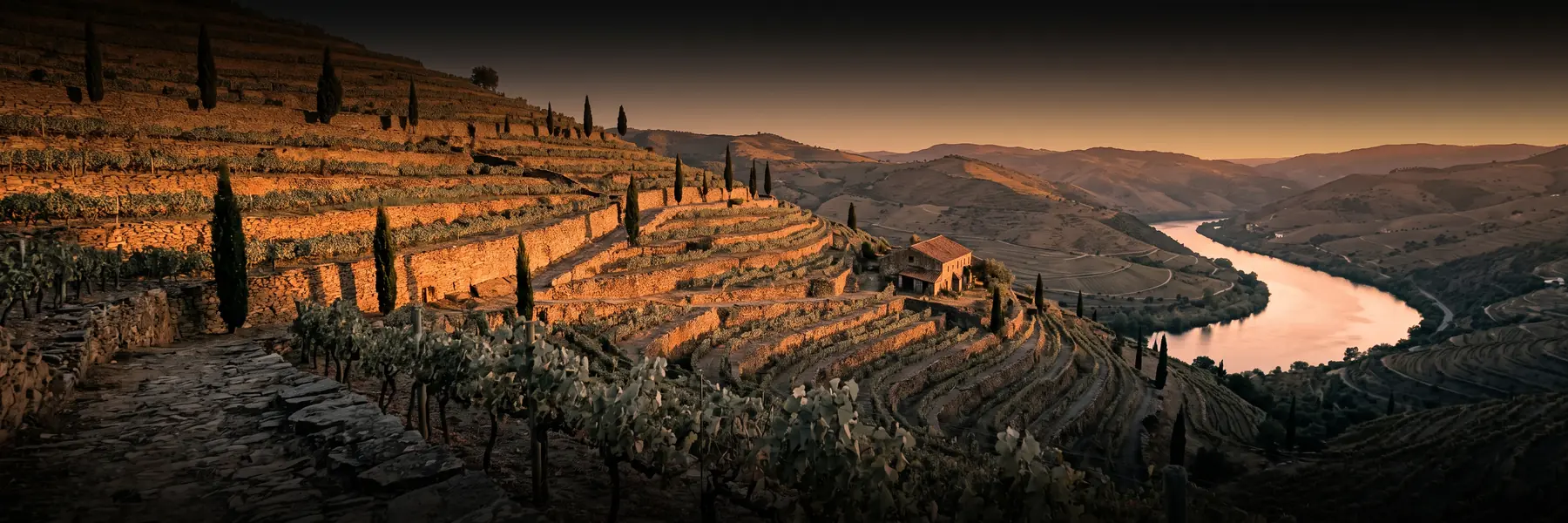
Nowhere in the world is a wine's quality more tightly bound to the exact patch of ground it came from than on the Mosel. The river loops back on itself so tightly that within a few hundred metres a slope can face south, then west, then north; the gradient reaches angles that no machine can work; and the slate underfoot changes colour and composition from one bend to the next. The result is a region where the vineyard name on the label matters more than the producer's address — and where a naming loophole allowed decades of very ordinary wine to trade on the reputation of great sites.
Einzellage vs Grosslage: The Trap
A German label typically reads village + vineyard: Bernkasteler Doctor means "the Doctor vineyard at Bernkastel", Piesporter Goldtröpfchen means "the Goldtröpfchen at Piesport". If that vineyard is an Einzellage — a genuine individual site — the name means what it appears to mean.
But German wine law also created the Grosslage: a collective name covering a large area of assorted vineyards, formatted on the label identically to an Einzellage. Piesporter Michelsberg is a Grosslage sprawling well beyond Piesport itself; Niersteiner Gutes Domtal, in the Rheinhessen, is another. Cheap wine sold under these names in enormous volumes in the 1970s and 1980s, and the damage to the reputation of the real Piesport and the real Nierstein has taken a generation to repair.
The practical rule: a single-site Mosel Riesling from a serious producer will name the Einzellage and the producer will be a grower, not a bottler. If a wine is inexpensive and its "vineyard" appears on millions of bottles, it is a Grosslage.
The VDP producers' association added its own site classification — VDP.Grosse Lage for the top vineyards, Erste Lage below it — which is now the most reliable quality signal on a German label.
What the Site Actually Does
Four physical factors, all of which you can reason about for your own vineyard:
Slate. The Mosel's blue Devonian slate is dark, so it absorbs heat during the day and radiates it back at night; it is fractured, so roots penetrate deeply for water; and it holds almost no organic matter, so vigour is naturally low. Red slate (in the Ürziger Würzgarten) and sandstone-influenced sections give measurably different wines from the same variety.
Slope. The steepest site of all — the Bremmer Calmont, down the valley — reaches around 65°. On a slope that steep at 50° north latitude, the sun strikes the ground close to perpendicular — the geometric equivalent of moving the vineyard hundreds of kilometres south. This is the entire reason fine wine is possible this far north.
Aspect. On a river that meanders as tightly as the Mosel, aspect changes constantly. South and south-west facing sections ripen; north-facing ones do not.
The river. Water reflects light onto the slope, moderates temperature, and reduces frost risk. The best sites sit directly above it.
The Sites Worth Knowing
Bernkasteler Doctor. Barely three hectares, rising almost vertically from the rooftops of Bernkastel, on blue slate with a warm, sheltered, sun-trapping aspect. It is probably the most expensive vineyard land in Germany, and the legend — that Archbishop Boemund II of Trier was cured by its wine — is at least six hundred years old. The wines are dense, precise and mineral, with a saline edge, and Spätlese and Auslese from the site age for decades. Growers include Dr. H. Thanisch, Wegeler and Lauerburg.
Piesporter Goldtröpfchen. A large south-facing amphitheatre — the classic Mosel bowl — on blue slate. The concave shape concentrates warmth and light, and the wines are the most overtly ripe and exotic of the great Mosel sites: peach, honey, apricot, with the slate underneath. Reinhold Haart is the reference; Julian Haart and St. Urbans-Hof also bottle from Piesport.
Wehlener Sonnenuhr. The sundial vineyard, built by the Prüm family in the nineteenth century so vineyard workers could tell the time. Steep, pure blue slate, and the source of arguably the most ethereal Rieslings made anywhere — J.J. Prüm above all.
Ürziger Würzgarten. "Spice garden" — red volcanic slate and sandstone rather than blue slate, and the wines genuinely taste different: spicier, more exotic, with an orange-peel character.
Erdener Treppchen, Graacher Domprobst, Brauneberger Juffer, and in the Saar the Scharzhofberg (Egon Müller) and Saarburger Rausch complete the front rank.
What This Teaches
Site selection beats everything you can do afterwards. Slope, aspect, soil colour and drainage are decided once. If you are choosing where to plant, spend your effort there rather than on equipment — see planting your first vineyard.
Dark, stony, poor soil is an advantage in a cool climate. Heat retention, drainage and low vigour all point the same way. The corollary is that low-vigour sites give low-nitrogen musts, so feed your ferments — see choosing your yeast.
Steep slopes are trained differently for a reason. The Mosel's traditional single-stake (Einzelpfahl) training, with canes bent into a heart shape around one post, exists because wire trellising cannot be worked across a 65° slope. Vineyard architecture follows terrain, not fashion.
Slow ripening at high acid is what makes wine age. The Mosel's greatest wines are 7–9% alcohol with piercing acidity, and they outlive almost everything else in the cellar. If you want longevity, the lever is acid and balance, not alcohol or extract.
The winemaking is deliberately minimal. Long, cool, often spontaneous fermentations in large neutral Fuder casks or steel; no malolactic fermentation, ever, because malic acid is structural; sweetness arrested by chilling and filtration rather than added. Read germany's Riesling guide for the Prädikat system and the winemaking in detail, plus MLF explained and fermentation temperature. If you are stopping a ferment to leave residual sugar, the stabilisation rules in back-sweetening apply, and the numbers are worth working out in the calculators first.
Food Pairing
Kabinett and Spätlese from these sites: Asian food, delicate fish, charcuterie, fresh cheese. Auslese: blue cheese, spiced pork, rich pâté. Older dry Grosses Gewächs from the same vineyards: roast chicken, pork belly, mushrooms.
Tip: Buy two Rieslings of the same Prädikat and vintage from adjacent Mosel sites — a Wehlener Sonnenuhr and an Ürziger Würzgarten, say — and taste them blind. Blue slate against red slate, in the same grape, same year, same style. It is the most convincing terroir demonstration available for the price of two bottles.