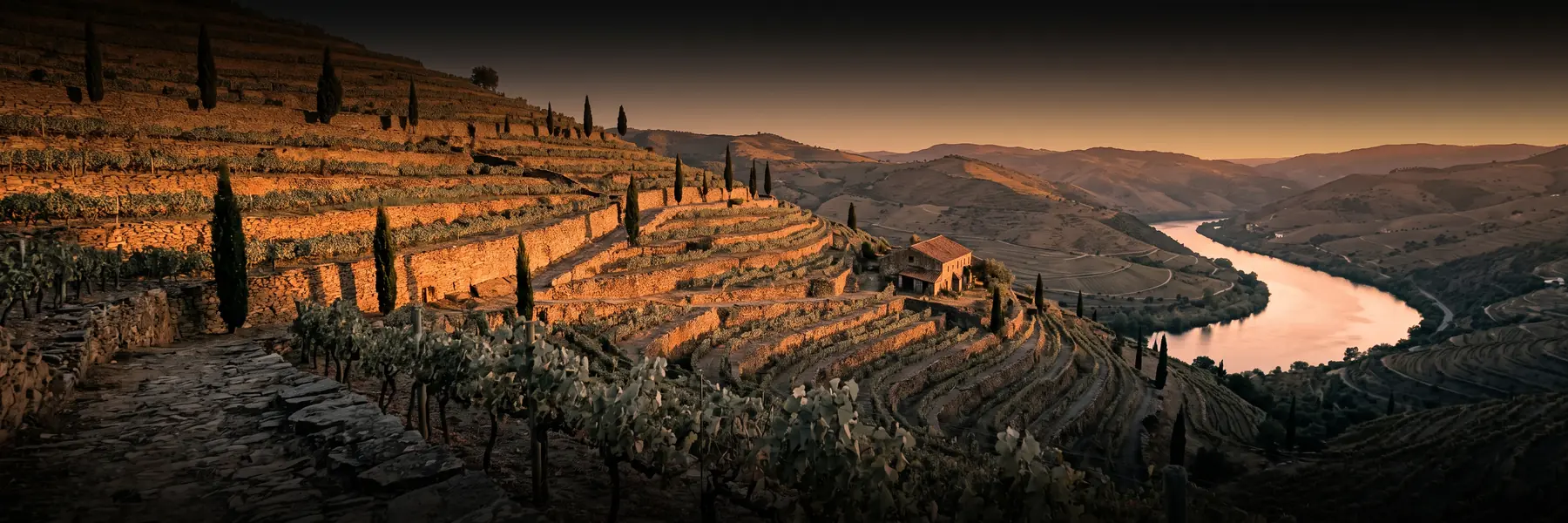
Uruguay — Canelones, Tannat, and the Tannin Problem
Uruguay — Canelones, Tannat, and the Tannin Problem
Uruguay is a small country that made an unusual bet: rather than compete with Argentina and Chile on Malbec and Cabernet, it built its identity on a variety almost nobody else wanted. Tannat came from south-west France with Basque immigrants in the nineteenth century — it was long known locally as Harriague, after Pascual Harriague, who was central to establishing it — and in Uruguay's humid Atlantic climate it became something rounder and more approachable than the ferociously tannic wines of its French home in Madiran.
It is now genuinely a national grape, in the way Malbec is Argentina's, and the country's whole wine industry is organised around it.
Canelones and the Wine Zones
Canelones, the department immediately north of Montevideo, is the heartland: the largest concentration of vineyards, the historic family bodegas, and the source of most Uruguayan wine. The soils here are clay-rich, often with a significant calcareous component, and the climate is temperate and maritime, moderated by the Río de la Plata.
Other zones matter increasingly:
- Maldonado, on the Atlantic coast to the east, is cooler and windier with granitic soils; Bodega Garzón's hilltop estate has drawn international attention to it
- Montevideo and San José are part of the same southern coastal band as Canelones
- Salto and the north-west, near the Uruguay river, are warmer and more continental
The Climate — Humid, Not Arid
This is the crucial difference from Argentina and Chile. Uruguay's rainfall is spread through the year rather than confined to winter, humidity is high, and there is no reliable dry ripening period. The consequences:
- Real disease pressure — botrytis, downy mildew and rot are constant concerns, unlike in Mendoza where they are barely a factor
- Canopy management is decisive. Open canopies, leaf removal and vigorous training systems that spread the canopy are standard, and they matter more here than almost any cellar decision
- Harvest rain is a live risk, so picking decisions have to be made fast
- Little or no irrigation is needed, which is a genuine advantage — Uruguay does not face the water-supply questions hanging over the irrigated deserts across the river
Tannat, as it happens, suits these conditions: it is a thick-skinned, disease-tolerant, late-ripening variety, which is part of why it survived here when other imports struggled.
The Wines
Tannat in Uruguay is deeply coloured and firmly structured but rarely as brutal as Madiran: black plum, blackberry, dark chocolate, leather and tobacco, with substantial but generally ripe tannin and good acidity. Styles range from unoaked, fresh, everyday versions to serious barrel-aged wines, plus rosé, sparkling and a sweet fortified licor de Tannat.
Albariño is Uruguay's most convincing white and a genuine success story — Bouza's version in particular showed that the Galician variety suits the humid Atlantic climate remarkably well. Sauvignon Blanc, Chardonnay and Viognier are also grown, and Merlot, Cabernet Franc and Marselan are the main blending reds.
Producers: Bouza, Pisano, Familia Deicas (Juanicó), Bodega Garzón in Maldonado, Artesana, Marichal, De Lucca.
The Tannin Problem — and How to Solve It
Tannat has more seed tannin per berry than almost any other commercial variety. Its name is not a coincidence. If you work with it — or with Saperavi, Mavrud, Petit Verdot, Nebbiolo or any high-tannin grape — this is the most useful part of Uruguay's experience.
1. Extract early, stop early
Tannin extraction from seeds accelerates as alcohol rises. The tannin you get in the last third of fermentation is the harshest.
- Cold soak 2–3 days to extract colour in the aqueous phase before yeast activity
- Ferment 24–28 °C with one gentle pump-over a day, not three
- Press at or before dryness. With Tannat, a short maceration of 5–10 days can produce a better wine than a fortnight
- Read tannin management for the underlying chemistry
2. Avoid crushing the seeds
Gentle destemming, low-speed pumps, avoiding augers, and a soft press. Fragmented seeds release bitter tannin and oils directly.
3. Press fractions are your friend
Keep the free run and press fractions separate and blend deliberately at the end. On a high-tannin variety the hard press cut is often unusable as anything but a minor component. See press fractions.
4. Use MLF and oxygen
- MLF softens the perception of both acid and tannin. Non-negotiable on Tannat. See MLF explained
- Slow, controlled oxygen exposure during élevage polymerises tannin into a softer, rounder form. This is what barrel ageing does, and it is why unoaked Tannat is often harsher than oaked. Micro-oxygenation is used commercially in Uruguay for precisely this purpose
- Keep barrels topped and free SO₂ appropriate to pH while you do it — see the SO₂ calculator
5. Blend
Merlot, Cabernet Franc and Marselan all add flesh and soften the mid-palate. A 10–20% blending component transforms a hard Tannat. See blending theory.
6. Consider fining
A protein fining trial — egg white on a red of this weight — will tell you within days whether the astringency can be reduced without stripping the wine. Always trial on a sample first; never fine the whole tank on faith.
Numbers
- Harvest: 24–26 °Bx, pH 3.4–3.6, TA 5.5–7 g/L
- Oak: French, medium toast, 20–40% new, 12–18 months
Albariño, Briefly
Uruguay's white success needs the same care as any aromatic white in a humid climate: pick early for acid, sort out any rot, press whole bunches gently, protect from oxygen, ferment cool at 13–16 °C, skip MLF, and use lees rather than oak for texture.
Food Pairing
Tannat: asado and grilled beef, chorizo, braised short rib, lamb, hard aged cheese, dark chocolate. Albariño: shellfish, grilled fish, ceviche, empanadas de atún.
Tip: With a very tannic variety, the most useful trial you can run is maceration length. Split one batch, press half at dryness and half a week later, and taste both at six months. Most people find the earlier-pressed lot is the better wine — which is the opposite of what "more extraction means more quality" would predict, and worth learning on your own fruit rather than taking on trust.