Romania — Dealu Mare, Fetească Neagră, and Europe's Hidden Wine Giant
Romania — Dealu Mare, Fetească Neagră, and Europe's Hidden Wine Giant
Romania is one of the largest wine producers in the European Union, and almost nobody outside the country drinks its wine. That is not a paradox — it is a market structure. Romanians drink what Romania makes, domestic demand absorbs the great majority of production, and the export machinery that Chile, Australia and even Bulgaria built was never a priority here.
The consequence for a curious drinker or winemaker is a country with two thousand years of viticulture, a substantial catalogue of indigenous varieties, and remarkably little English-language literature. Dealu Mare — "the big hill" — is the best place to start.
The Region
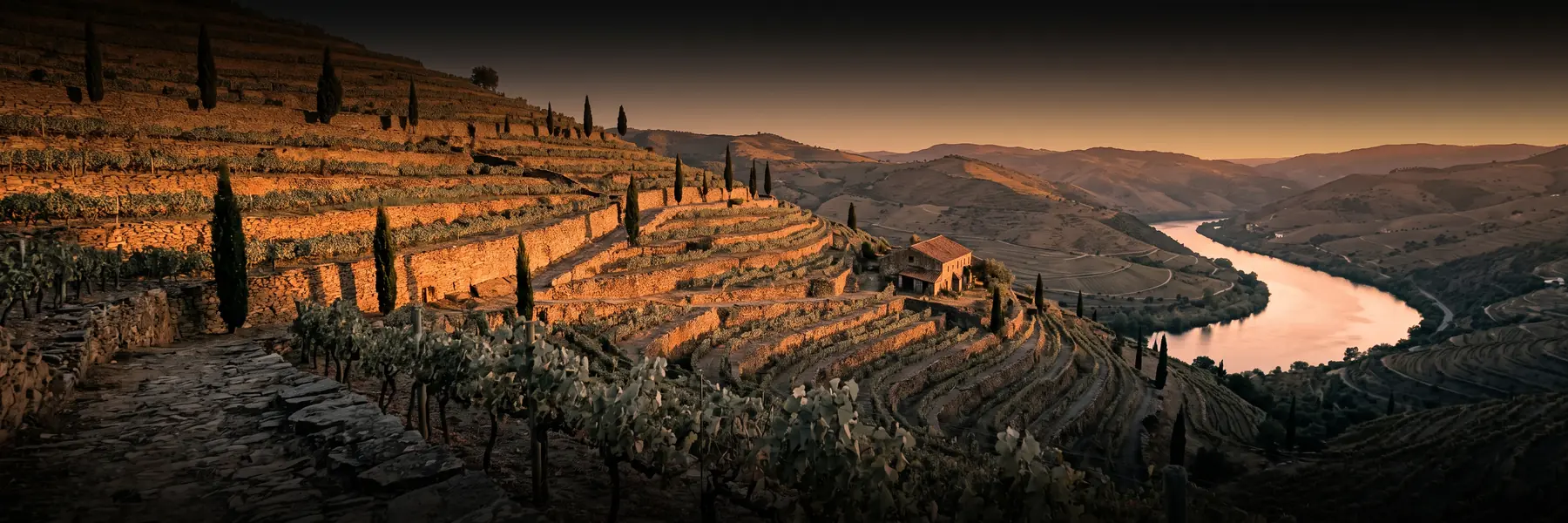
Dealu Mare runs along the southern foothills of the Carpathians, north-east of Bucharest, across the Prahova and Buzău counties. It is a long band of south-facing slopes, which is the whole point: at this latitude, on this aspect, with the mountains blocking cold northern air, the sites are warm enough to ripen red varieties fully and reliably.
Sub-areas worth knowing include Urlați, Ceptura, Valea Călugărească and Săhăteni, all clustered along the same escarpment. Nearby Pietroasa is a separate speciality: a warm, sheltered site with a long tradition of sweet aromatic whites.
The climate is continental — cold winters, hot summers, and a long, dry autumn that allows late picking. Soils vary along the slope, mixing clay, limestone and sandy loam.
Romania's other important regions are quite different: Cotnari and the Moldavian hills in the north-east for sweet and aromatic whites, Transylvania for cool-climate whites, Dobrogea near the Black Sea, and Banat and Recaș in the west.
The Indigenous Varieties
Fetească Neagră ("black maiden") is Romania's most important indigenous red and the reason to pay attention. It gives a medium to full-bodied wine with black plum, dried fruit, black pepper and a distinctive sweet-spice, sometimes almost dried-prune note, with moderate to firm tannin and moderate acidity. Good examples age well; poor examples are jammy and soft.
Fetească Albă and Fetească Regală are the white relations — the first delicate and floral, the second crisper and more structured. Both are widely planted and make honest, aromatic dry whites.
Tămâioasă Românească is an aromatic Muscat-family variety whose name means "frankincense grape". It makes intensely perfumed dry, off-dry and sweet wines — orange blossom, rose, honey, grape — and the sweet versions from Pietroasa are the region's historic speciality.
Băbească Neagră gives lighter, higher-acid reds, and international varieties — Cabernet Sauvignon, Merlot, Syrah, Pinot Noir, Chardonnay, Sauvignon Blanc — are widely and successfully planted throughout Dealu Mare.
Producers
- Davino — one of the most consistently admired Romanian estates; the Domaine Ceptura wines and Flamboyant blend are references
- SERVE — founded by the Corsican Count Guy Tyrel de Poix, generally credited as the first private winery established after 1989; long a champion of Fetească Neagră
- Domeniile Săhăteni — Aurelia Vișinescu's estate; expressive Fetească Neagră and blends
- Rotenberg — a Merlot specialist working on distinct clay and limestone parcels
- LacertA, Budureasca, Crama Basilescu — part of the modern quality core
Working With a Variety Nobody Has Written a Manual For
This is the genuinely useful part of Romania for a winemaker, and it applies to any local variety with no established international protocol. There is no equivalent of the Cabernet or Pinot literature for Fetească Neagră. You are the one running the experiments.
Establish the acid picture first
Many warm-slope indigenous reds ripen to high sugar while acid falls away. Before anything else, measure pH and TA, not just sugar — and measure them in the last two weeks, repeatedly, so you can see the trajectory rather than a single snapshot. pH and TA explains why both numbers are needed, and reading grape chemistry covers interpreting them together.
For Fetească Neagră, a working target is 23–25 °Bx with pH 3.4–3.6 and TA 5.5–6.5 g/L. If pH has drifted above 3.7, add tartaric pre-ferment — the acid adjustment calculator sizes it.
Split your fruit and change one variable
The fastest way to learn a variety is a two-lot or three-lot trial in a single vintage: same fruit, different maceration length, or different fermentation temperature, or oak versus no oak. Keep records. Two vintages of deliberate trials teach more than ten of doing what you did last year.
Be conservative with oak on aromatic reds
Fetească Neagră's spice and dried-fruit perfume is easily buried. Start at 15–25% new French oak for 10–14 months and increase only if the wine asks for it. See barrel ageing basics.
Fermentation starting points
- 24–28 °C, gentle cap work — two pump-overs a day at peak, tapering
- 8–14 days on skins for a mid-weight wine; longer only if the tannin is fine
- MLF standard; see MLF explained
Aromatic whites
For Tămâioasă Românească and the Fetească whites, treat them as you would Muscat or Riesling: pick early to keep acid (20–22 °Bx, pH 3.0–3.3), press gently, protect from oxygen, ferment cool at 13–16 °C with an aromatic strain, and skip MLF entirely. If you want residual sugar, arrest the ferment cold and stabilise properly — a sweet wine with live yeast will referment in bottle. See back-sweetening and the SO₂ calculator.
Food Pairing
Fetească Neagră: grilled pork, sarmale (stuffed cabbage rolls), mititei, mushroom stews, sheep's cheese. Fetească Albă / Regală: freshwater fish, chicken with dill, summer salads. Tămâioasă Românească (sweet): papanași, blue cheese, apricot tart.
Tip: If you grow a local variety with no established protocol, keep a proper record of every vintage decision alongside the tasting notes two years later. That log is the most valuable asset you will build — and it is the only way anyone will ever write the manual for your grape.