Naoussa — Xinomavro and the Colour Problem
Naoussa — Xinomavro and the Colour Problem
Naoussa is regularly described as the Barolo of Greece, and for once the comparison is useful rather than lazy. Like Nebbiolo, Xinomavro gives a pale wine with ferocious tannin and acidity, aromatics that have nothing to do with blackcurrant, and a habit of tasting hostile for a decade before turning magnificent. Like Barolo, it has spent the last twenty years arguing with itself about whether to become more approachable. And, like Nebbiolo, it teaches a lesson that almost every red-wine maker eventually needs: colour and structure are independent variables.
Geography
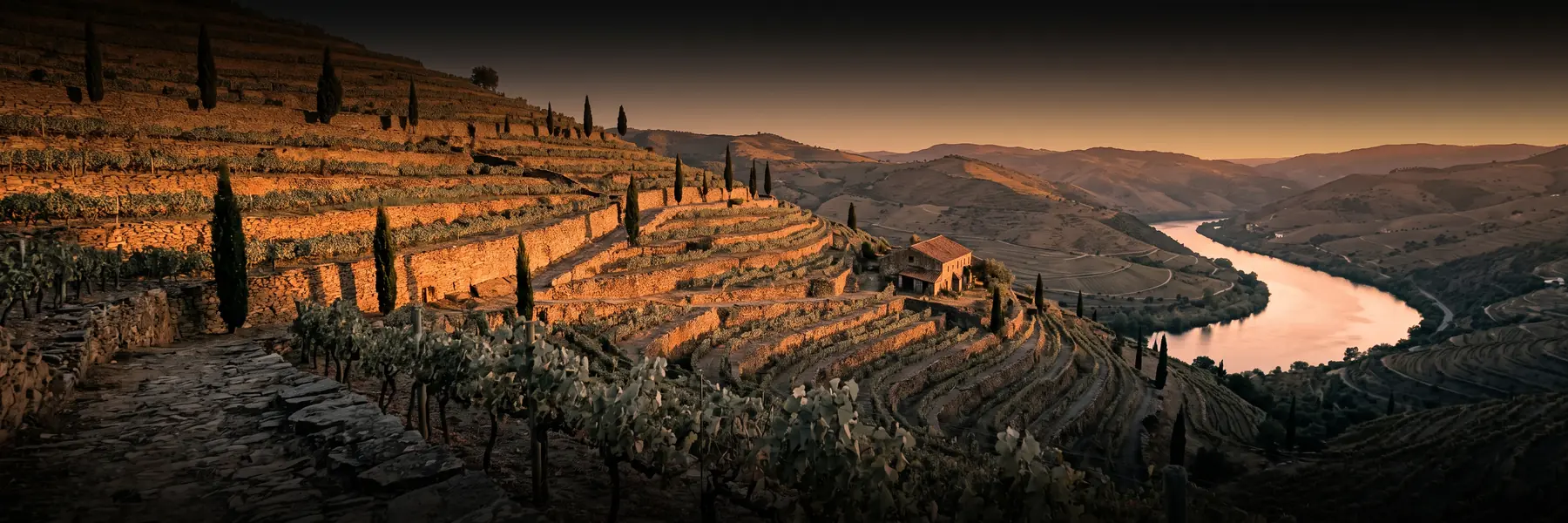
Naoussa lies in Greek Macedonia, on the south-eastern slopes of Mount Vermio, west of Thessaloniki. Vineyards run from roughly 150 m up to 400 m, on slopes with good drainage and a range of exposures. Soils are varied — clay-loam over limestone in much of the appellation, sandier in places.
The altitude band matters. Lower sites ripen more fully and give richer, softer wine; higher and cooler sites give more perfume, more acid and more austerity. This is the axis along which Naoussa's producers now distinguish themselves, and the appellation has been moving towards recognising sub-zones and single vineyards.
Climate
Transitional continental-Mediterranean. Warm, dry summers with mountain-driven cool nights; cold, wet winters with real snow on Vermio. The mountain provides shelter to the west and cool air at night; the Thermaic Gulf moderates from the east.
Xinomavro is late-ripening, so a long autumn is essential and a wet one is a problem — the variety's bunches are not especially loose and rot in a wet September is the main vintage risk.
The Appellation
Naoussa PDO is red only, and 100% Xinomavro. No blending partner is permitted. That single-variety purity is unusual and it is what makes Naoussa such a clean study: every difference between two Naoussa wines is site, vintage or winemaking, never grape.
Compare its neighbours to see the variety's range:
- Amyndeon — higher (around 650 m), cooler, sandier; lighter, more floral Xinomavro, and the PDO also permits rosé and sparkling
- Goumenissa — Xinomavro blended with Negoska, a softer, fleshier local red that rounds it out
- Rapsani — on Mount Olympus; Xinomavro blended with Krassato and Stavroto
Wine Style
Here is the thing that surprises people: Naoussa is not a dark wine. Medium ruby at best, often lighter, and it develops a brick or orange rim within a few years. Newcomers reasonably conclude it is old or oxidised. It is neither.
The aromatics are the signature and they are unmistakable: sun-dried tomato, black olive, dried herbs, sour cherry, allspice, and — with age — leather, tobacco, dried fig and a savoury, almost meaty depth. On the palate: high acidity, high, drying, fine-grained tannin, medium body, and a very long finish.
Traditional style: long maceration, years in large old oak, released late, austere and long-lived.
Modern style: shorter maceration, some new French oak, earlier release, more overt fruit. Thymiopoulos's lighter, fresher bottlings — some deliberately made for early drinking — have done more than anything else to win the variety new drinkers.
Good Naoussa drinks well from about eight years and can go for thirty.
Producers
- Thymiopoulos Vineyards — Apostolos Thymiopoulos; the most influential producer of the last two decades; a range from juicy and immediate to serious single-vineyard wines
- Kir-Yianni — Ramnista is the classic Naoussa reference; also excellent work in Amyndeon
- Domaine Dalamara — small, old-vine, low-intervention; superb
- Alpha Estate — Amyndeon rather than Naoussa, but the best window into high-altitude Xinomavro
- Boutari — the historic house; the wine that carried Naoussa internationally for decades
- Karydas — tiny, traditional, excellent
The Colour Problem, and How to Work With It
Xinomavro is genuinely low in anthocyanin — it simply does not contain much pigment — and what it has is unstable, so the wine loses colour and browns faster than a Cabernet would. Meanwhile its tannin and acid are at the top of the scale. This combination is the whole technical story of Naoussa.
Do not try to extract your way out of it. The instinct — longer maceration, hotter fermentation, harder pump-overs — extracts more tannin from a variety that already has too much, without producing pigment that is not there. You end up with a pale, hard, bitter wine. Read tannin management.
Do help the colour you have to stabilise. Anthocyanin binds to tannin and to other cofactors to form stable pigments, and that process needs a little oxygen early. In practice: manage the cap in a way that gives some oxygen ingress during fermentation, then complete MLF, then age the wine in a vessel that allows slow micro-oxygenation — large old wood, as tradition dictates. See punch-down vs pump-over and barrel ageing basics.
Complete MLF properly. With acidity this high it is essential, and in a low-pH red it can be slow. Warm the wine, inoculate with a low-pH-tolerant strain, and confirm completion before sulphiting. See MLF explained.
Accept the wine's appearance. A pale, brick-rimmed, structurally enormous red is a legitimate and historic style — it is also Barolo, traditional Rioja and Burgundy. If your customers expect black wine, tell them what to expect on the back label instead of changing the wine.
Rosé and sparkling are honest answers. Amyndeon's producers turn Xinomavro's low colour and high acid into excellent pale rosé and traditional-method sparkling. If you grow a low-colour, high-acid red, this is a far better use for it than a thin, over-worked red. See the Cava guide for the sparkling method, and use the calculators to plan your base wine's numbers.
Food Pairing
Tomato-based dishes above all — the aromatic overlap is real. Moussaka, pastitsio, slow-cooked lamb with tomato and cinnamon, aged kefalotyri. Also excellent with mushrooms and, at ten years or more, with game.
Tip: Before you decide a pale red is faulty, taste it blind against a traditional Barolo or a López de Heredia Rioja. Colour is the single most misleading thing about a glass of wine, and learning to ignore it will improve your own winemaking decisions more than any piece of equipment.