Martinborough — Wind, Gravel Terraces, and New Zealand's Pinot Noir Pioneers
Martinborough — Wind, Gravel Terraces, and New Zealand's Pinot Noir Pioneers
New Zealand's fame rests on Marlborough Sauvignon Blanc, which is a shame, because the country's most interesting wines are arguably its Pinot Noirs — and the district that proved Pinot could work here is a small, windswept plateau at the southern tip of the North Island. In the late 1970s soil and climate surveys identified the Martinborough area as unusually promising, a handful of people planted there in the early 1980s, and within a decade the wines were being taken seriously in London.
Martinborough remains tiny. Total production is a fraction of Marlborough's, the wines are expensive by New Zealand standards, and the region's reputation rests on quality alone.
The Martinborough Terrace
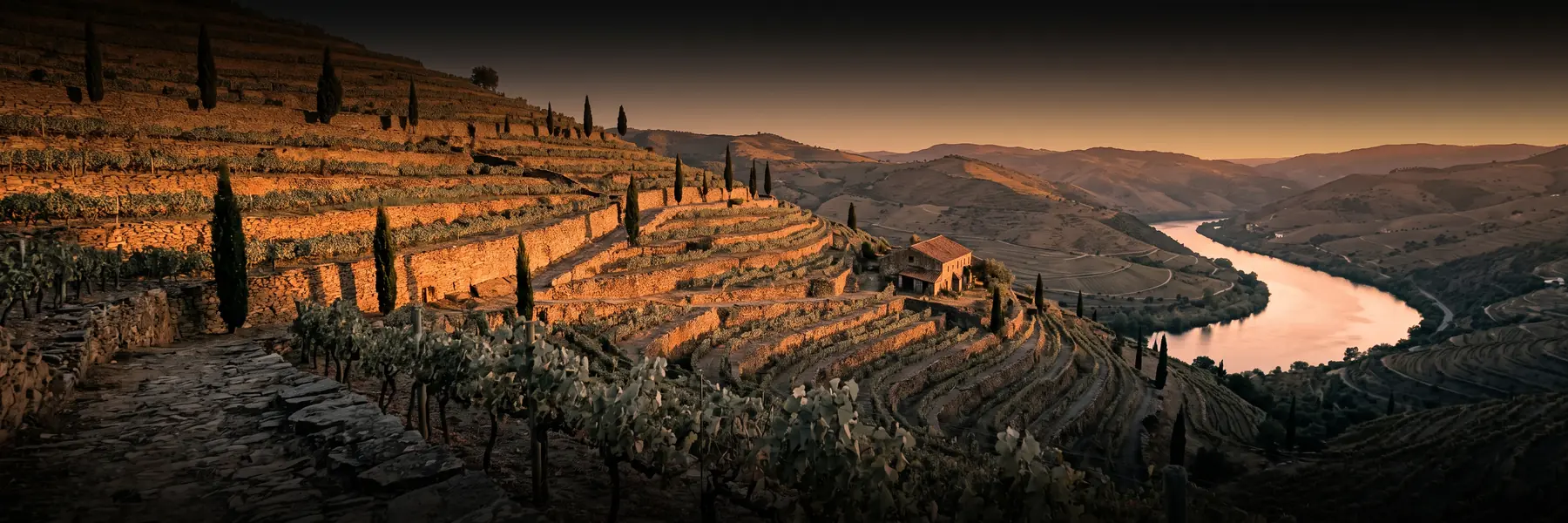
The vineyards sit on old river terraces: free-draining alluvial gravels overlain with a shallow layer of silt loam. It is poor, thin, stony ground with low water-holding capacity, which is precisely why it works. Vines struggle, crops are naturally small, berries stay tiny, and canopies do not run away in a wet spring.
Sites in the newer Te Muna area, a short distance from the original terrace, sit on similar gravels at slightly different elevations and give a recognisably different, often slightly finer expression.
Climate — The Wind Does the Work
Martinborough sits in the rain shadow of the ranges to the west, so it is drier than most of the North Island. The defining feature, though, is wind. Strong, persistent north-westerly winds blow through the growing season, and they shape the wines in several ways:
- Reduced yields. Wind at flowering disrupts fruit set, so bunches are small and loose. Loose bunches also dry faster and rot less.
- Thicker skins and smaller berries, meaning a higher skin-to-juice ratio and more colour, tannin and flavour per litre.
- Stalled photosynthesis. Wind-stressed vines close their stomata, slowing sugar accumulation while flavour continues to develop — the same mechanism that makes some coastal Californian sites ripen flavour at low sugar.
- Physical damage. Shelter belts are a standard part of the landscape here.
Autumn is dry and cool, which allows long hang time. The main hazards are spring frost and the occasional autumn rain event.
The Abel Clone
Martinborough is closely associated with a piece of New Zealand wine folklore. The story, widely told, is that a cutting of Pinot Noir from a great Burgundian vineyard was confiscated at the border by a customs officer named Malcolm Abel, who was himself a winegrower; the material passed quarantine, was propagated, and became known as the Abel clone — or, affectionately, the gumboot clone. Ata Rangi has been its most prominent champion.
The details are the stuff of legend and are told several ways. What is not disputed is that the Abel selection is prized in New Zealand for the perfume and structure it brings, and that clonal choice is one of the most consequential decisions a Pinot grower makes.
The Wines
Martinborough Pinot Noir is savoury and structured: dark cherry, plum, dried herbs, earth and a distinct spice and tannin frame, with firm acidity and a long finish. It is generally denser and more structured than Marlborough Pinot and more savoury than Central Otago's fruit-forward style — the New Zealand guide sets out the comparison.
The district also makes excellent Sauvignon Blanc (more textured and less pungent than Marlborough's), fine dry Riesling, serious Pinot Gris and small amounts of good Syrah and Chardonnay.
Producers: Ata Rangi, Dry River, Martinborough Vineyard, Palliser Estate, Escarpment, Kusuda, Craggy Range's Te Muna vineyards.
Making Structured Pinot Noir
The starting point
Small berries with thick skins are a gift, and they change your cellar plan. High skin-to-juice fruit does not need aggressive extraction — it needs restraint.
- Target 23–24.5 °Bx, pH 3.3–3.5, TA 5.5–7 g/L.
- Sort thoroughly. Loose bunches help, but any split or mouldy berries must go.
Whole bunch
Martinborough's dry autumn tends to give properly lignified, brown stems, which makes whole-cluster fermentation a real option — and stems suit this savoury, structured style. Common practice runs 20–50%. Stems add aromatic lift, spice, a firmer tannin frame and a slight moderation of alcohol; green stems add bitterness. See whole cluster fermentation.
Fermentation
- Cold soak 3–5 days at 8–12 °C for colour and aroma extraction before alcohol arrives.
- Ferment to a warm peak (28–32 °C), one or two gentle punch-downs a day. Aggressive plunging on concentrated fruit produces hard wine.
- Press at or shortly after dryness. Post-ferment maceration is rarely flattering to Pinot.
- MLF over the following months, in barrel; see MLF explained.
Oak
French oak, 25–40% new, 11–16 months. Pinot is the most oak-transparent red there is — the wine should taste of fruit, earth and spice, with oak as an accent you notice only when you look for it.
Handling
Pinot bruises. Rack rarely, gently, and keep vessels topped. Free SO₂ management matters more than for a tannic red because Pinot has less phenolic protection of its own — see understanding SO₂ and the SO₂ calculator.
Food Pairing
Martinborough Pinot Noir: duck, venison, mushroom dishes, roast lamb, aged Gouda. Martinborough Riesling: pork belly, spiced Asian dishes, smoked fish. Martinborough Sauvignon Blanc: green-lipped mussels, oysters, goat's cheese.
Tip: If you have the option, take fruit from a wind-exposed, low-vigour site over a sheltered fertile one, even at lower yield. Small berries with thick skins let you extract gently and still get depth — which is the whole trick with Pinot Noir, a variety that punishes force more than any other red.