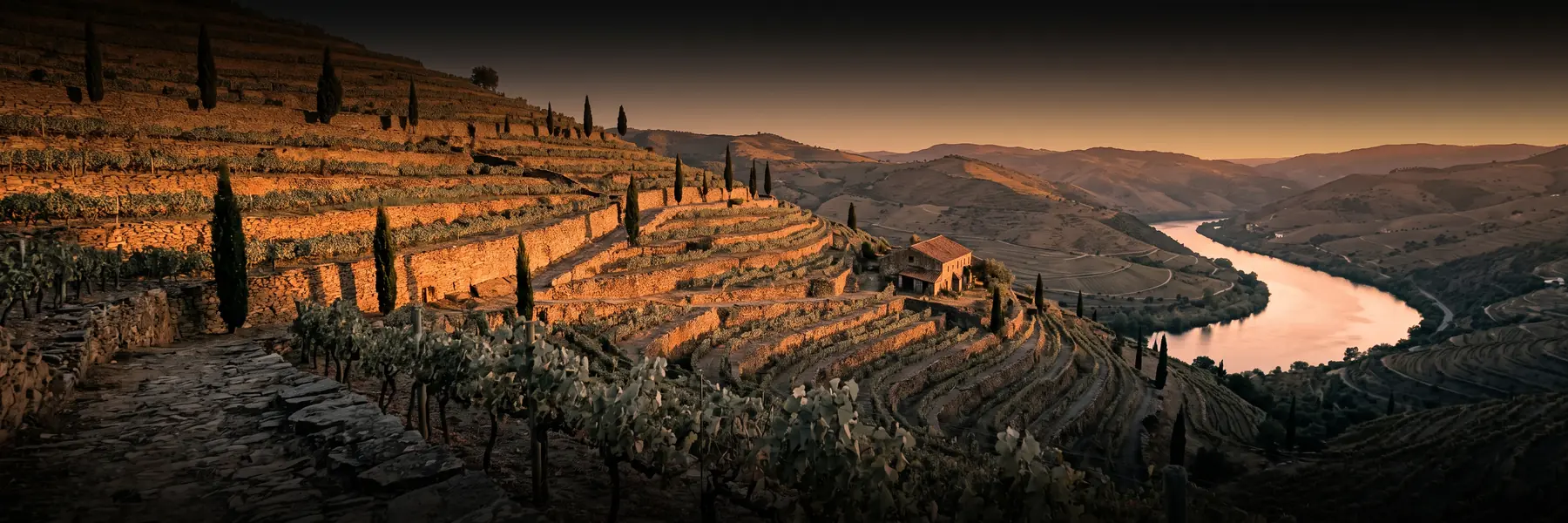
New Zealand — Marlborough Sauvignon Blanc and Central Otago Pinot Noir
New Zealand — Marlborough Sauvignon Blanc and Central Otago Pinot Noir
New Zealand burst onto the global wine scene in the 1980s with Sauvignon Blanc of explosive tropical-herbaceous intensity from Marlborough. Today, it is also producing some of the Southern Hemisphere's most compelling Pinot Noir from the dramatically beautiful schist mountains of Central Otago. A small country of about 5.3 million people produces wines that punch far above their geographic weight.
Geography
New Zealand consists of two main islands. Wine regions span both, from Northland in the subtropics (35°S) to Central Otago in the cool south (45°S):
North Island
- Northland — subtropical; Syrah, Cabernet
- Gisborne — "Chardonnay capital"; warm, humid; easy-drinking whites
- Hawke's Bay — the most important North Island red wine region; excellent Syrah and Bordeaux blends from the Gimblett Gravels; also Chardonnay
- Martinborough — cool; early Pinot Noir region; earthy, complex
South Island
- Nelson — small, diverse; good Pinot and Riesling
- Marlborough — the most famous NZ region; most Sauvignon Blanc; also excellent Pinot Noir (in cooler corners) and Riesling
- Waipara / Canterbury — cool, continental; benchmark Riesling and Pinot Noir
- Central Otago — the world's southernmost established wine region (a few Patagonian vineyards now lie further south); spectacular mountain terroir; the finest NZ Pinot Noir
Climate
New Zealand is one of the world's most viticultural extreme countries — cool, maritime, and UV-intense (the ozone layer is thinner over the Southern Hemisphere). Long sunshine hours ripen grapes; cool nights preserve acidity. Marlborough and Central Otago are the extremes.
Marlborough
Geography
Marlborough sits at the northern tip of the South Island, sheltered by mountains from the north and west. The Wairau Valley is the main zone; the Awatere Valley (cooler, more austere) is increasingly important.
The soil is free-draining alluvial gravel over clay — naturally stressed vines that produce concentrated fruit.
Sauvignon Blanc — The Marlborough Revolution
Montana (now Brancott Estate) planted Marlborough's first commercial vines in 1973, its first Sauvignon Blanc in 1975, and made the first Marlborough Sauvignon Blanc vintage in 1979 — creating a new wine category. Marlborough Sauvignon Blanc is unlike Sancerre, unlike any other expression of the variety:
- Intensely aromatic: passion fruit, cut grass, capsicum, gooseberry, nettles, fresh herbs, grapefruit
- Thiols (particularly 4-MMP and 3-MH) are the key aromatic compounds — extraordinarily high in Marlborough grapes
- Bone dry with high acidity
- Low to medium alcohol (12.5–13.5%)
Key producers: Cloudy Bay (the brand that made Marlborough famous internationally), Brancott Estate, Dog Point, Seresin (biodynamic), Villa Maria, Greywacke.
Pinot Noir in Marlborough
The southern valleys (Wairau sub-zones, Awatere) produce excellent Pinot Noir — lighter than Central Otago, more herbaceous, red-fruit focused. Great value.
Riesling in Marlborough
Often overlooked; Marlborough Riesling can be excellent: fresh, floral, lime, slate, and good acidity. Dry and off-dry styles both work.
Central Otago
Geography
Central Otago is unique: New Zealand's only continental climate wine region, 150km inland from the Pacific, surrounded by mountains. Vineyards sit in valleys carved by ancient glaciers: Bannockburn, Cromwell Basin, Gibbston Valley, Bendigo, Alexandra, Wanaka.
The soil is schistous — ancient folded metamorphic rock, decomposed and mixed with loess. Rocky, free-draining, mineral.
Altitude: 200–450m. Latitude: 44–45°S — the world's most southerly significant wine production.
Climate
Continental — extreme for New Zealand. Cold winters (-15°C possible), hot summers (up to 35°C), massive diurnal variation (up to 25°C difference between day and night). Short growing season. UV radiation is intense (the highest UV in New Zealand).
Pinot Noir — Why Central Otago Works
Central Otago Pinot Noir is distinctive: darker in colour than Burgundy, richer in fruit (black cherry, dark plum) but with the minerality and fresh acidity expected of a cool-climate site. The schist soil imparts a distinctive mineral/stony character. High UV intensity produces thick grape skins and deep colour.
Style: Deep ruby (deeper than Burgundy), black cherry, dark plum, mineral schist note, dried herb. More concentrated than Martinborough; more structured than Marlborough Pinot. Can age 8–15+ years.
Sub-zones with distinct characters:
- Bannockburn — the benchmark; complex, mineral; Felton Road is here
- Gibbston Valley — coolest; most elegant, most Burgundian; Peregrine, Gibbston Valley Wines
- Bendigo — warmest; most powerful, concentrated
Famous Central Otago Producers
- Felton Road — the acknowledged benchmark; biodynamic; extraordinary single-vineyard expressions (Block 3, Block 5)
- Mt Difficulty — Bannockburn; excellent range; Long Gully Riesling is outstanding
- Quartz Reef — traditional method sparkling Pinot Noir; also excellent still wine
- Peregrine — Gibbston; consistent, elegant
- Rippon — biodynamic pioneer; old vines on Lake Wānaka shore; unique and beautiful
Making New Zealand-Style Wines
Marlborough Sauvignon Blanc
The thiol-driven aromas require very specific winemaking:
- Cold settling immediately after pressing (4–8°C, 24 hours) — thiol precursors are located in the sediment; paradoxically, some gross lees contact before settling helps thiol development.
- Cool fermentation (12–15°C) with a yeast that activates thiol precursors.
- Yeast: VL3 is the classic Sauvignon choice — it contains a high level of the enzyme that converts precursors to active thiols (passion fruit, grapefruit).
- No MLF — preserve acidity and freshness.
- No oak (for typical style) — pure varietal expression.
- Bottle early (within 6–9 months of harvest) — thiols degrade rapidly.
- Drink within 2–3 years — the aromatic compounds that make Marlborough Sauvignon special are volatile and fragile.
Central Otago Pinot Noir
Similar approach to Oregon/Burgundy but adapted for the intense UV and diurnal variation:
- Whole cluster (10–30%) for spice and structural complexity.
- Cold soak 3–5 days.
- Ferment 22–27°C; gentle punch-downs.
- 12–16 day total maceration (taste-driven).
- French oak, 20–35% new; tight grain; 10–14 months.
- Extended bottle ageing before release — at least 12 months from bottling.
Food Pairing
Marlborough Sauvignon Blanc: fresh oysters, green salads with goat cheese, sushi, green asparagus, Thai cuisine.
Central Otago Pinot Noir: Central Otago salmon, duck leg confit, lamb rack, wild mushrooms, mild soft cheeses.
Hawke's Bay Syrah: lamb chops, venison, Mediterranean stews.
Tip: Thiol-driven Sauvignon Blanc is one of the most fragile wine styles. Temperature and light exposure destroy its aromatic compounds faster than any other variety. Store cold, buy young, and serve chilled. A two-year-old Marlborough Sauvignon Blanc in a warm cellar is not the same wine as a fresh one from a controlled-temperature shop.