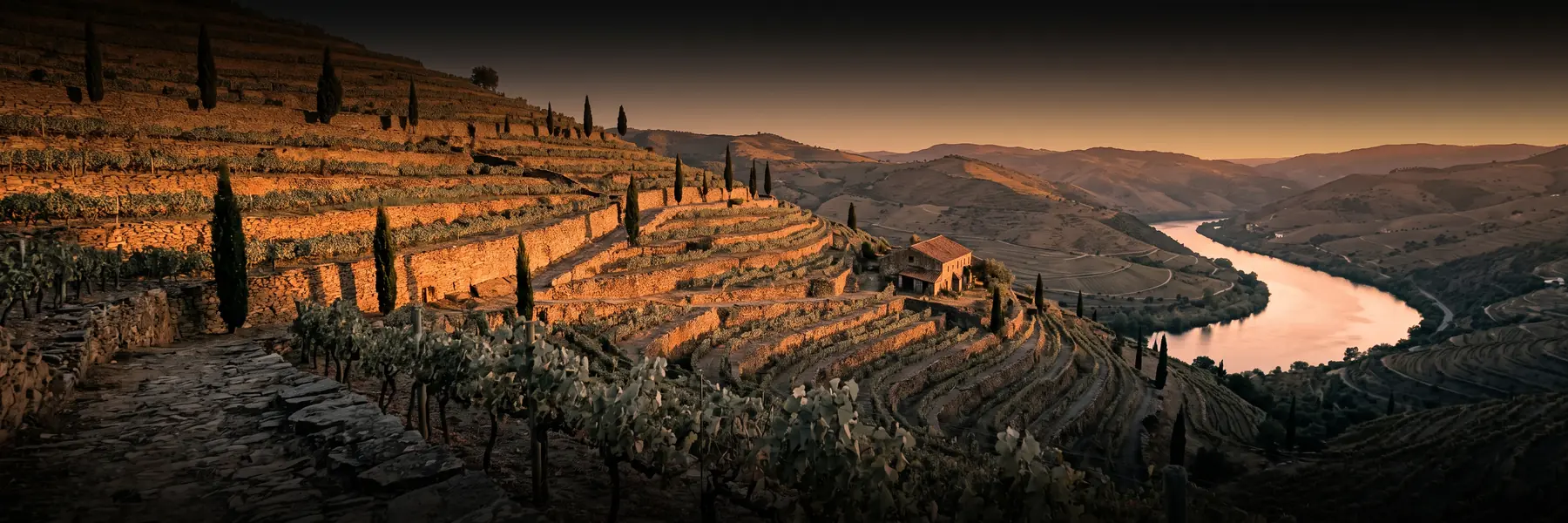
Luján de Cuyo — Old-Vine Malbec and Argentina's Traditional Heartland
Luján de Cuyo — Old-Vine Malbec and Argentina's Traditional Heartland
Malbec is a French grape that failed in France. In Bordeaux it was frost-prone, rot-prone and unreliable, and it was steadily replaced. Transplanted to the arid, high-altitude, cloudless foothills of the Andes in the nineteenth century, it became something else entirely — and Luján de Cuyo, immediately south-west of the city of Mendoza, is where that transformation was most convincingly demonstrated.
This is Argentina's classic Malbec district: the traditional home of the variety, the source of most of its oldest vines, and the reference point against which the newer, higher, cooler vineyards of the Uco Valley are judged.
Geography and Sub-Districts
Luján de Cuyo sits on alluvial terraces at roughly 900–1,100m, where rivers running off the Andes have laid down deep, stony, free-draining soils over millennia. The sub-districts each have their partisans:
- Perdriel — home to some of Argentina's oldest surviving Malbec plantings, including ungrafted pre-phylloxera material
- Agrelo — deeper soils, more clay, giving fuller, plusher wines; a large share of the district's premium production
- Vistalba and Las Compuertas — higher and cooler, closer to the mountains, generally finer and more perfumed
Climate — Desert Viticulture
The defining fact of Mendoza is that it is a desert. Rainfall is minimal, so every vineyard is irrigated, historically by flood irrigation through channels of Andean snowmelt and increasingly by drip. That has two consequences worth understanding:
- You control the vine's water. Irrigation is a quality lever, not just a survival measure — deficit irrigation at the right moment reduces berry size and concentrates the fruit.
- The water supply is finite and glacial. Long-term availability is the industry's real strategic risk.
Other characteristics of the climate:
- Enormous diurnal range. Hot days, cold nights, and therefore ripe fruit that keeps its acid and colour.
- Extreme ultraviolet light at this altitude and latitude. Vines respond by thickening skins and producing more phenolics — one of the reasons Argentine Malbec is so deeply coloured and so tannic.
- Very low humidity, so fungal disease pressure is low and organic farming is comparatively straightforward.
- Hail is the great destroyer, and the zonda — a hot, dry downslope wind — can damage flowering. Netting is common and expensive.
The Style
Luján de Cuyo Malbec is dark, plush and powerful: black plum, blackberry, violet, cocoa and sweet spice, with ripe, mouth-coating tannin and a warm finish. Old-vine bottlings add savoury depth and a firmer structure. It is generally rounder and more opulent than Uco Valley Malbec, which trades weight for freshness and aromatic detail — see the Valle de Uco guide for the comparison.
Cabernet Sauvignon, Cabernet Franc and Syrah all perform well, and Bordeaux-style blends built on Malbec are a district speciality.
Producers: Catena Zapata, Achaval-Ferrer, Luigi Bosca, Norton, Terrazas de los Andes, Nieto Senetiner, Alta Vista.
Making Structured Malbec
Harvest
- 24–26 °Bx, pH 3.5–3.7, TA 5.5–6.5 g/L is a realistic target for the classic style.
- Malbec ripens quickly once it starts and can go from balanced to raisined in under a week in a heat spike. Sample often in the last fortnight.
- The variety accumulates colour and tannin early, so the pick decision is mostly about sugar and acid rather than colour.
Fermentation
- 26–30 °C. Malbec extracts easily — that is the trap. Heavy pump-overs on already tannic, thick-skinned fruit produce a wine that is impressive for ten seconds and drying thereafter.
- Two pump-overs a day through the peak, then taper. 10–16 days on skins is plenty for most Malbec; extended maceration is for exceptional, fine-tannin fruit only.
- MLF is standard.
Acid
Warm-climate musts at pH 3.7 and above should be acidified pre-ferment. High-pH reds hold colour less well and are much harder to protect with SO₂. The acid adjustment calculator sizes the tartaric addition, and pH and TA explains why the two numbers must be read together.
Oak
French oak, medium toast, 30–60% new, 12–18 months for a premium wine. Malbec's soft, sweet fruit takes oak readily, which is why so much commercial Malbec tastes of vanilla and mocha. If you want the variety's violet perfume to survive, use less new wood than you think you need.
Concrete and large-format neutral vessels have become fashionable in Mendoza for exactly this reason — they give texture without adding flavour. See barrel ageing basics for how to scale oak dosage if you are using chips, staves or inserts rather than barrels.
Alcohol
Ripe Malbec at 26 °Bx implies roughly 15% alcohol. Decide whether you want that before you pick rather than discovering it in the finished wine — the ABV calculator takes ten seconds.
Food Pairing
Luján de Cuyo Malbec: grilled beef (the Argentine answer, and the right one), asado ribs, chimichurri, empanadas, aged provolone, dark chocolate.
Tip: If you can get fruit from old, low-yielding vines, change your extraction plan rather than reusing last year's. Old-vine fruit has smaller berries, more skin per litre and finer tannin, and it needs less cap work, not more. Treating concentrated fruit like dilute fruit is the most common way good grapes are turned into hard wine.