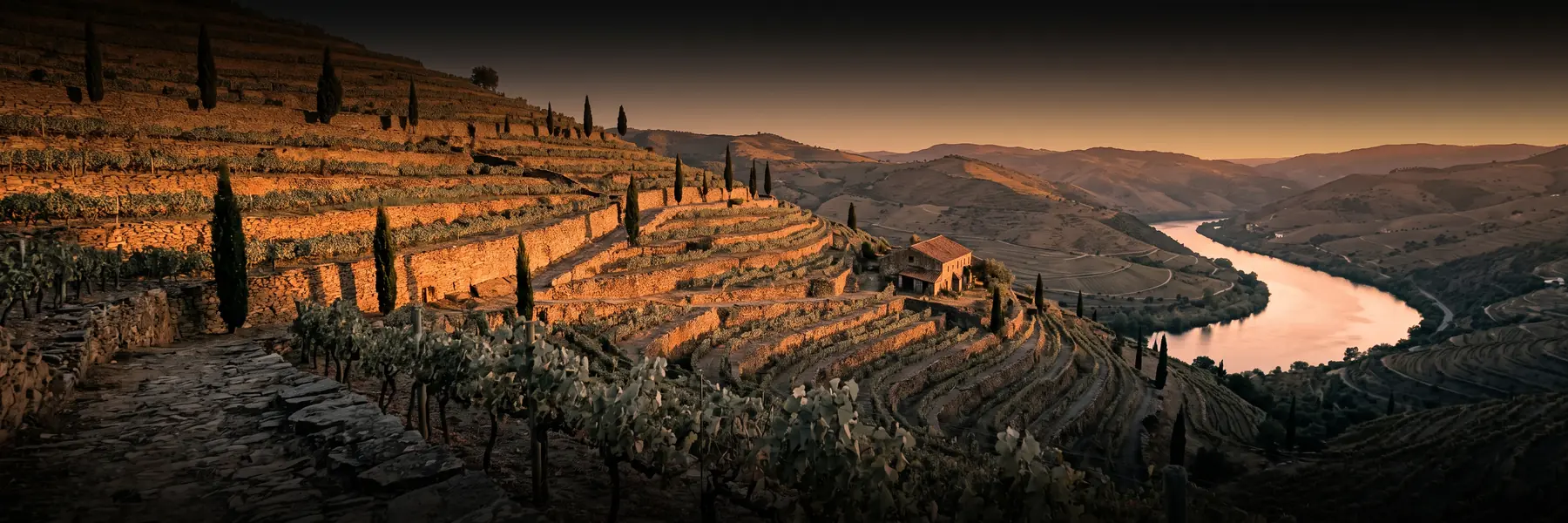
Walker Bay & Hemel-en-Aarde — South Africa's Pinot Noir Country
Walker Bay & Hemel-en-Aarde — South Africa's Pinot Noir Country
Hemel-en-Aarde means "heaven and earth", which is the kind of name that usually signals marketing rather than terroir. In this case the valley earned it. Running inland from the fishing town of Hermanus on Walker Bay, it is one of the coldest places anyone grows grapes in South Africa, and since the 1970s it has become the country's most convincing answer to Burgundy.
The pioneer was Tim Hamilton Russell, who went looking specifically for a cold site suitable for Pinot Noir at a time when almost nobody in South Africa was interested in either. Hamilton Russell Vineyards' Pinot Noir and Chardonnay put the valley on the map, and the estates that followed have made it the country's benchmark cool-climate district.
The Cold Water Advantage
Walker Bay opens onto the South Atlantic, and the water here is cold — genuinely cold, the same current system that makes the Cape's beaches uninviting. That cold ocean sits a few kilometres from the vineyards, and the sea breeze it generates is the single most important climatic factor in the valley: it caps afternoon temperatures during ripening and slows sugar accumulation while flavour develops.
The valley is officially divided into three wards, and the distinction is real rather than bureaucratic:
- Hemel-en-Aarde Valley — nearest the sea, the coolest and most maritime
- Upper Hemel-en-Aarde Valley — further inland, slightly warmer, more elevation
- Hemel-en-Aarde Ridge — the highest sites, cool again by altitude, often the most structured wines
Soils
The valley's soils are derived from shale, and the estates here talk about clay content the way Napa growers talk about gravel. High-clay, shale-derived soils hold winter moisture deep in the profile, which allows dry-farming in a region with a dry summer, and they suit Pinot Noir — a variety that struggles in soils that dry out abruptly.
The Wines
Pinot Noir — the flagship. Red cherry and cranberry, dried herbs, earth and a savoury, saline undertone, in a medium-bodied frame with firm acid. These are structured Pinots rather than fruity ones, and they age.
Chardonnay — equally serious: citrus, white peach, oatmeal, a stony finish, and enough acidity to carry lees work and modest oak.
Sauvignon Blanc, Syrah and Pinotage are all made here to good effect; the cool-climate Syrah in particular deserves more attention.
Producers: Hamilton Russell Vineyards, Bouchard Finlayson, Newton Johnson, Creation, Storm, Ataraxia, Restless River.
The Lesson: Plant Material Comes First
Hemel-en-Aarde's history carries a hard-won lesson that applies anywhere in the New World, and it is worth being blunt about. For much of the twentieth century South African growers had limited access to good Pinot Noir and Chardonnay clones, and much of the vine material available in the country carried leafroll and other viruses. Virus-infected vines ripen unevenly and incompletely, and no amount of winemaking skill fixes fruit that will not ripen properly.
A significant part of the improvement in South African cool-climate wine over the past few decades is not cellar technique at all — it is cleaner, better-selected plant material, better clonal choices and better rootstock matching.
If you are planting, that is the order of priority: site, then plant material, then trellis, then everything else. Certified virus-tested material from a reputable nursery costs slightly more per vine and pays for itself for thirty years. Our guide to planting your first vineyard covers the decisions in sequence.
Making Maritime Pinot Noir
Picking
- 22.5–24 °Bx, pH 3.3–3.5, TA 5.5–7 g/L is a good working target.
- In a maritime climate, autumn rain and sea fog are the risks. Watch for botrytis daily in the final fortnight and pick on rot pressure, not on a calendar.
- Sort out anything split or mouldy. Pinot's thin skins mean rot spreads fast in the bin.
Fermentation
- Cold soak 3–5 days at 8–12 °C, then a warm peak (28–32 °C) with one or two gentle punch-downs a day.
- Whole bunches at 20–40% suit the savoury style and add aromatic lift, provided the stems are brown and woody. See whole cluster fermentation.
- Press at dryness. This is not a style built on extended maceration.
- MLF in barrel over the following months; see MLF explained.
Oak
French oak, 20–35% new, 10–16 months. The wines' savoury, earthy character disappears under heavy new oak. Older barrels and larger formats both work well here.
Chardonnay
Whole-bunch press, cold settle, barrel ferment, partial or full MLF depending on how much acid you want to keep, lees stirring for texture, 20–30% new oak. The valley's natural acidity means these wines can take more lees and texture work than a warmer-climate Chardonnay without going flabby — see Chardonnay styles.
Food Pairing
Hemel-en-Aarde Pinot Noir: roast duck, seared tuna, mushroom dishes, springbok. Chardonnay: Cape crayfish, line fish, roast chicken, Gruyère. Cool-climate Syrah: lamb with herbs, grilled kudu, peppered beef.
Tip: Cool maritime sites give you fruit with real acid, and the temptation is to soften it with everything at once — full MLF, heavy lees, new oak. Do one at a time and taste. Wines from cold coastal sites keep their identity through their acid line; the moment you sand off all the edges, they start tasting like anywhere else.