Heathcote — Cambrian Greenstone Soil and Savoury Australian Shiraz
Heathcote — Cambrian Greenstone Soil and Savoury Australian Shiraz
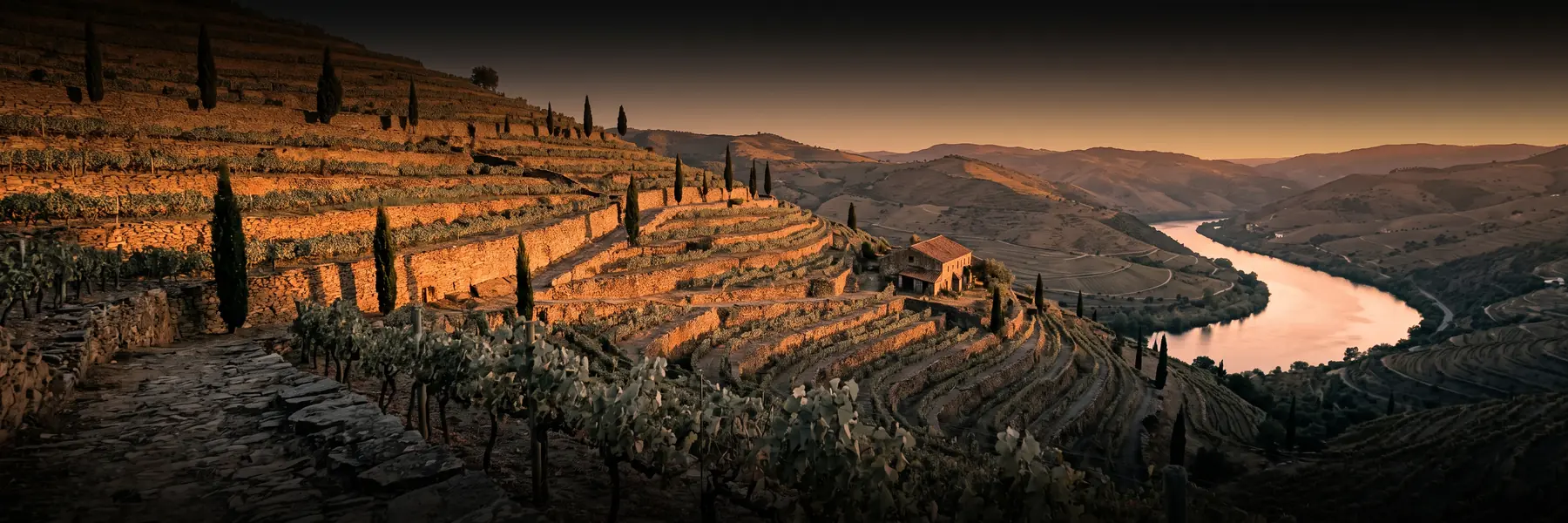
Heathcote is a single-idea region, and the idea is dirt. Running along the Mount Camel Range in central Victoria is a narrow band of deep red soil weathered from Cambrian greenstone — volcanic rock of enormous age, among the oldest vineyard geology on the continent. Growers here talk about that soil the way Coonawarra growers talk about terra rossa, and with reason: Heathcote Shiraz tastes noticeably different from Shiraz grown an hour away.
The Soil
The Cambrian soils are deep, well-structured red loams with high clay content and good water-holding capacity. That last point is the crucial one. In a warm, dry region, a soil that stores winter rain deep in the profile lets vines be dry-grown — farmed without irrigation — and dry-grown vines regulate themselves: moderate vigour, small berries, even ripening, and no late-season vigour surge.
The character in the glass is savoury rather than sweet: dark fruit wrapped in earth, iron, dried herb and graphite, with a firm mineral spine underneath.
Climate
Warm continental, with hot days and cold nights. That diurnal range is what lets Heathcote ripen Shiraz to full flavour while holding onto more acid and structure than the fruit's ripeness level would suggest. Rainfall is modest and concentrated in winter, so most of the season is dry — an advantage for disease pressure and for fruit integrity at harvest.
Producers Worth Knowing
- Jasper Hill — the region's defining estate. Emily's Paddock (Shiraz with a small proportion of Cabernet Franc) and Georgia's Paddock (Shiraz) are dry-grown, low-yielding, and built to age for decades
- Wild Duck Creek — famously concentrated reds; Duck Muck became a cult wine in the US in the 1990s
- Heathcote Estate and Heathcote Winery — reliable regional expressions
- Sanguine Estate — family-grown Shiraz from the heart of the Cambrian strip; small production
Producers from outside the region also buy Heathcote fruit specifically for its structure — it is a well-established blending component in premium Victorian Shiraz.
The Style
Heathcote Shiraz is full bodied but rarely flabby. Blackberry, black plum and mulberry, with black olive, dried thyme, iron filings and a dusty, mineral tannin. Compared with Barossa Shiraz it is less chocolate-and-mocha, more earth-and-stone; compared with Yarra Syrah it is deeper and darker but less peppery. The best examples take a decade to open and then hold for a long time.
Making a Savoury Warm-Climate Shiraz
Heathcote is a useful case study in how to make a warm-climate red that stays structured. The route to jammy over-extraction is well signposted; here is how to avoid it.
Picking
- Track flavour, not sugar. Shiraz in a warm site can hit 26 °Bx while still tasting simple, and can also taste complete at 24 °Bx.
- A useful target is 24–26 °Bx with pH 3.5–3.7 and TA 5.5–6.5 g/L. Above about pH 3.8 you should be planning an acid addition before fermentation, not after.
- The single most common warm-climate error is waiting for one last week of "development" and returning with raisined fruit, 16% potential alcohol and dead acid. Run the numbers with the ABV calculator before you decide.
Acid management
Warm-climate musts often need tartaric acid. Add it pre-ferment, where it also protects the wine microbiologically by lowering pH, and where the eventual tartrate precipitation is easier to manage. The acid adjustment calculator converts your target TA into grams per litre, and pH and TA explained covers why both numbers matter independently.
Fermentation
- 24–30 °C. Warm enough to extract, but a ferment that runs to 34 °C strips aromatics and risks stressing the yeast.
- Cap management is where savoury and jammy part ways: fewer, gentler pump-overs after mid-ferment gives fine tannin; heavy late extraction gives coarse, drying tannin dressed up as "concentration".
- 10–18 days on skins is plenty for well-ripened fruit. Extended maceration is a tool for fine-tannin fruit, not a rescue for coarse fruit.
- MLF is standard. See MLF explained.
Oak
French oak, medium toast, 30–50% new for a top wine, 15–20 months. Heathcote's mineral, savoury profile is easily buried under heavy American oak — if you want that vanilla-and-coconut signature, put it on a smaller portion of the blend and assemble later. Our barrel ageing basics guide covers dosage for those working with chips, staves or inserts instead of barrels.
Co-fermentation
Heathcote's flagship wines show that a small proportion of another variety can lift a Shiraz: Cabernet Franc for perfume and a firmer tannin frame, or a few percent of Viognier co-fermented for aromatic lift, as in the Northern Rhône. Both work best as co-ferments rather than post-ferment blends.
Ageing and Expectations
Dry-grown, low-yield Shiraz from ancient soils is unapproachable young — tight, tannic and mute. That is normal, not a fault. If you are making wine in this style, plan for a wine that needs five years before you judge it and reserve bottles accordingly.
Food Pairing
Heathcote Shiraz: braised beef short rib, kangaroo, slow-roast lamb shoulder, mushroom and lentil ragù, aged hard cheese.
Tip: If you can choose your fruit, choose a dry-grown block over an irrigated one, even at a higher price per kilo. Dry-grown vines give you smaller berries with a higher skin-to-juice ratio, which means you can extract gently and still get concentration — a much easier starting point than trying to build structure into dilute fruit in the cellar.