Amarone della Valpolicella — Appassimento and the High-Sugar Ferment
Amarone della Valpolicella — Appassimento and the High-Sugar Ferment
Amarone is Italy's most technically demanding great wine. Every other famous red is made by fermenting fresh grapes; Amarone is made by drying them for months first, then fermenting a must so concentrated that the yeast are working in conditions close to their tolerance. It is powerful, velvety, high in alcohol, and — when it goes wrong — a textbook lesson in stuck fermentation and volatile acidity.
The name means "the big bitter one", distinguishing it from the sweet Recioto that came first.
Geography
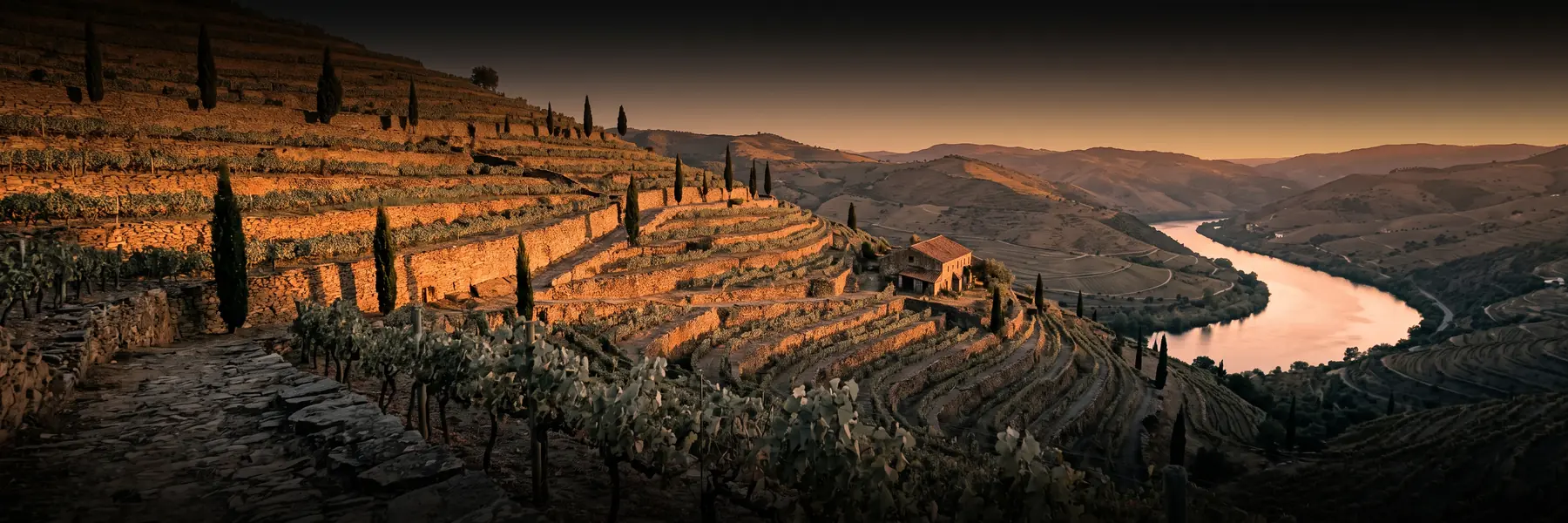
Valpolicella lies north-west of Verona in the Veneto, in a series of valleys running down from the foothills of the Alps toward the Adige plain. The Classico zone occupies the western valleys — Fumane, Marano, Negrar, Sant'Ambrogio and San Pietro in Cariano — on limestone and volcanic-influenced hillside soils. The eastern and valley-floor areas are warmer and more fertile.
Altitude and aspect matter, but for Amarone the geography that matters most is the fruttaio — the drying loft. The valleys funnel dry mountain air down from the north, and that airflow is what makes months of grape drying possible without rot.
The blend
- Corvina — the backbone; sour cherry, elegance, moderate colour
- Corvinone — long thought to be a Corvina clone, now known to be a separate variety; larger berries, more structure
- Rondinella — reliable, resistant, less flavourful; a workhorse
- Molinara — historically important, now largely optional and much reduced
- Small proportions of other local varieties such as Oseleta are permitted and used by some producers for colour and tannin
Corvina and Corvinone together dominate the best wines.
Appassimento — how it works
Harvested bunches are laid on bamboo racks (arele) or in plastic crates in the fruttaio and left to dry for roughly 100 to 120 days, typically from late September into January or February. The grapes lose something in the region of 30–40% of their weight in water.
What happens chemically is more interesting than simple concentration:
- Sugar concentrates, taking potential alcohol to 15–16% or higher
- Acidity concentrates too, which is why Amarone tastes intense rather than merely sweet and heavy
- Glycerol production increases, contributing to the velvety texture
- Metabolic changes continue in the berry — the grape is still alive and respiring, and flavour compounds develop that fresh fruit does not have
- Noble rot may develop on some bunches; some producers welcome a proportion of it for added complexity, others reject it
Fermentation is then slow and relatively cool, and can take weeks or months. It is fermented to dryness — or near-dryness; a few grams of residual sugar are common and legal, and part of why Amarone tastes so rich.
The family of wines
| Wine | What it is |
|---|---|
| Valpolicella | Fresh, light, cherry-scented red from undried grapes |
| Valpolicella Ripasso | Valpolicella re-passed over the pomace left from Amarone fermentation, gaining colour, alcohol and structure |
| Amarone della Valpolicella | Dried grapes, fermented dry; minimum two years' ageing (four for Riserva) |
| Recioto della Valpolicella | Dried grapes, fermentation arrested to leave the wine sweet — the historic original |
Producers
- Giuseppe Quintarelli — the appellation's revered traditionalist; extremely long ageing, tiny quantities
- Romano Dal Forno — the modern counterpoint; extreme concentration, very high extract
- Allegrini, Bertani, Masi, Tommasi, Tedeschi — the established quality houses; Bertani's long-aged Amarone is a classic of restraint
- Ca' La Bionda, Monte dall'Ora — the newer, lighter-touch Classico producers
Style
Deep garnet. Dried cherry and fig, raisin, dark chocolate, tobacco, sweet spice, and a bitter-almond note on the finish that is the wine's signature and the reason for its name. Full-bodied, warm with alcohol, velvety in texture, and often with a hint of sweetness. Good Amarone runs fifteen to thirty years.
What Amarone teaches your winemaking
If you make fruit wines, high-gravity meads or any dessert wine, this appellation's lessons apply directly to you.
Plan the whole ferment before you pitch
A must at 28–32 °Bx is not a normal fermentation. Once the alcohol passes about 14%, yeast viability drops sharply, and if the yeast die with sugar remaining you have a stuck fermentation — which is not just an incomplete wine, it is an open invitation to acetic bacteria and Brettanomyces. Use the calculators to know your potential alcohol before you start.
Choose the right yeast and rehydrate it properly
Use a strain rated for high alcohol tolerance and osmotic stress. Rehydrate according to the manufacturer's instructions with a rehydration nutrient — a yeast population that starts stressed will not finish a 16% ferment. See choosing your yeast.
Stage your nutrients
Do not add all your nutrient at the start. Split it: a portion at inoculation and further additions across the first third of the ferment. Nitrogen-starved yeast produce hydrogen sulphide and give up early. See our nutrients article.
Ferment cool and be patient
A cool, slow ferment is far more likely to finish than a hot, fast one — heat plus alcohol is what kills the yeast. Amarone ferments can run for weeks. Do not panic at slow progress; panic at stopped progress. See fermentation temperature and stuck fermentation.
Watch volatile acidity like a hawk
High-sugar, long, cool ferments with a lot of exposed surface are the classic VA scenario. Keep the cap wet, keep the vessel protected, and smell for nail-varnish (ethyl acetate) at every check. See volatile acidity.
Drying at home: airflow, not warmth
If you want to try appassimento — and it works well with grapes, and with fruit for country wines — the requirement is moving dry air, not heat. A single crate of bunches in a still, humid room will grow grey mould in a fortnight. Single-layer trays, space between bunches, a fan, and daily inspection with removal of anything mouldy.
Understand what Ripasso is telling you
Re-fermenting a light wine on Amarone pomace extracts residual sugar, colour, tannin and alcohol from the skins. It is a genuinely clever way to upgrade a thin wine using material you would otherwise discard — and it is entirely reproducible at home if you happen to be making a high-extract wine and a light one in the same season.
For the wider region see the Veneto guide; for another drying-grape tradition, see the Vin Santo section of our Vino Nobile guide and the vin de paille note in Hermitage.
Food pairing
Braised beef, osso buco, game stews, risotto all'Amarone, and aged Monte Veronese or Parmigiano. In Verona it is also drunk on its own after dinner, with nothing at all — which, at 16%, is sensible.
Tip: Before you attempt a high-sugar ferment, write down the potential alcohol and check it against your yeast's stated tolerance. If the number is higher than the tolerance, you have already decided to have a stuck fermentation — dilute, blend, or choose a different yeast before you pitch, not after.