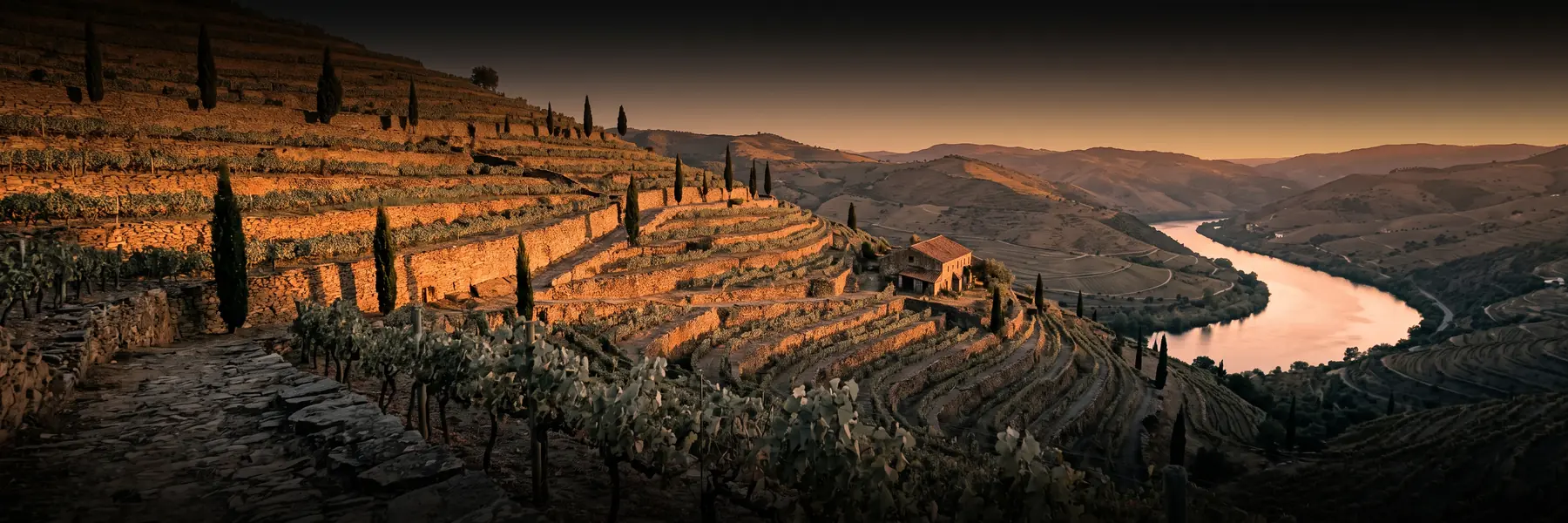
Yarra Valley — Cool-Climate Pinot, Chardonnay, and Smoke Taint Lessons
Yarra Valley — Cool-Climate Pinot, Chardonnay, and Smoke Taint Lessons
The Yarra Valley is Melbourne's back garden and Victoria's most important fine wine region. It has an unusual history: vines were planted here in the nineteenth century, the industry largely disappeared for decades, and the modern Yarra was rebuilt from the 1960s onward by people who were explicitly aiming at Burgundy and Bordeaux rather than at the fortified and bulk wine styles that dominated Australia at the time. That ambition still defines it — the Yarra makes some of the most restrained, European-feeling wine in Australia.
Geography and Soils
The valley spreads across hills and river flats north-east of Melbourne, with vineyard sites from the valley floor up to several hundred metres in the cooler, wetter upper reaches. Two broad soil families matter:
- Grey-brown sandy and silty clay loams on the lower, older sites — moderate vigour, classic for structured Cabernet and firm Pinot
- Deep red volcanic soils in the higher, cooler parts — water-retentive and fertile, giving very good Pinot Noir and Chardonnay
Because the elevation range is large, harvest across the region is staggered over weeks, and a single producer may pick the same variety from three sites at three different times.
Climate
Cool and maritime-influenced, with moderate rainfall and no reliable summer drought. Ripening is gradual, which is what gives Yarra reds their perfume and their lighter frame. The flip side is genuine vintage variation and disease pressure: in a wet spring, downy mildew and botrytis are the enemy, and canopy management is not optional.
Key Grapes
| Grape | Character |
|---|---|
| Pinot Noir | Red cherry, rhubarb, spice; silky, savoury, medium-bodied |
| Chardonnay | Citrus and white peach with real acid drive; restrained oak |
| Shiraz (often labelled Syrah) | Peppery, floral, medium-bodied — closer to the Northern Rhône than to Barossa |
| Cabernet Sauvignon | Fine, cedary, gravelly; the region's older classic style |
| Sparkling (Pinot / Chardonnay) | Excellent base material; several serious traditional-method houses |
Producers Worth Knowing
- Mount Mary — a Yarra institution; Bordeaux-style Quintet and long-lived, understated wines
- Yarra Yering — idiosyncratic and highly regarded; Dry Red No. 1 and No. 2
- Yeringberg — historic estate, tiny production, very fine reds
- Coldstream Hills — founded by the wine writer James Halliday; benchmark Pinot and Chardonnay
- Giant Steps — single-vineyard Pinot and Chardonnay across several Yarra sites
- Mac Forbes — minimal-intervention, site-focused, lower-alcohol wines
- De Bortoli and Oakridge — consistently excellent across a broad range
- Yering Station — one of the valley's oldest sites, replanted in the modern era
What the Yarra Teaches About Smoke Taint
The Yarra sits in bushfire country, and Australian producers have learned more about smoke taint than anyone. If you grow grapes anywhere fire can reach, this is the region's most valuable lesson.
Smoke exposure puts volatile phenols — guaiacol and 4-methylguaiacol among them — into grape skins, where much of it binds to sugars as odourless glycosides. That is the trap: a smoke-affected must can smell fine and then develop ashtray, burnt-rubber and bitter-ash characters months later as those bound compounds hydrolyse, or as they are released in the mouth during tasting.
Practical implications:
- Free-run and pressed fractions differ. Taint lives in the skins, so a whites-style gentle press of red fruit dramatically reduces uptake — one reason smoke-affected vintages produce more rosé.
- Minimise skin contact in an affected year: shorter maceration, avoid extended post-ferment maceration, avoid whole bunches.
- Bench-test before you commit the whole crop. A small, quick ferment on a sample tells you far more than the smell of the fruit.
- Bitterness at the finish is the giveaway character in tasting, more than the nose.
Making Yarra-Style Pinot Noir
Fruit and picking
- Aim for 22–24 °Bx with pH 3.3–3.5 and TA 5.5–7 g/L. Pinot picked at high sugar loses its perfume long before it gains complexity.
- Sort ruthlessly. Pinot's thin skins mean any botrytis or split fruit ends up in the wine.
Whole bunch or destemmed?
Yarra producers use every point on the spectrum. Whole bunches add stalk spice, a firmer tannin frame and a lifted aromatic quality, but demand fully lignified (brown, woody) stems — green stems give a stalky, bitter wine. A common compromise is 20–40% whole bunch in the bottom of the fermenter, the rest destemmed on top. Read whole cluster fermentation before your first attempt.
Fermentation
- Cold soak 2–5 days at 8–12 °C if you want colour and aromatic extraction without tannin.
- Ferment warm at the peak (28–32 °C is common for Pinot) but gently — one or two soft punch-downs a day, never aggressive.
- Press before the cap dries out. Pinot goes from silky to hard with too much post-ferment maceration.
Oak and élevage
French oak, 25–40% new at most, 10–16 months. Pinot is transparent — new oak shows immediately. MLF in barrel over the following spring builds texture.
Chardonnay in the Yarra style follows the same restraint: whole-bunch press, barrel ferment with indigenous yeast if you are brave, partial MLF, and less new oak than the 1990s Australian norm. See Chardonnay styles.
Food Pairing
Yarra Pinot Noir: duck breast, mushroom risotto, salmon, roast quail. Yarra Chardonnay: roast chicken, crab, scallops, Gruyère. Yarra Syrah: peppered lamb, charcuterie, grilled aubergine.
Tip: In a cool region, your biggest quality lever is not the cellar — it is fruit exposure and crop level. Thin the crop early and open the fruit zone enough that air moves through it. Half the "cool-climate greenness" people blame on climate is really shaded fruit and an over-cropped vine.