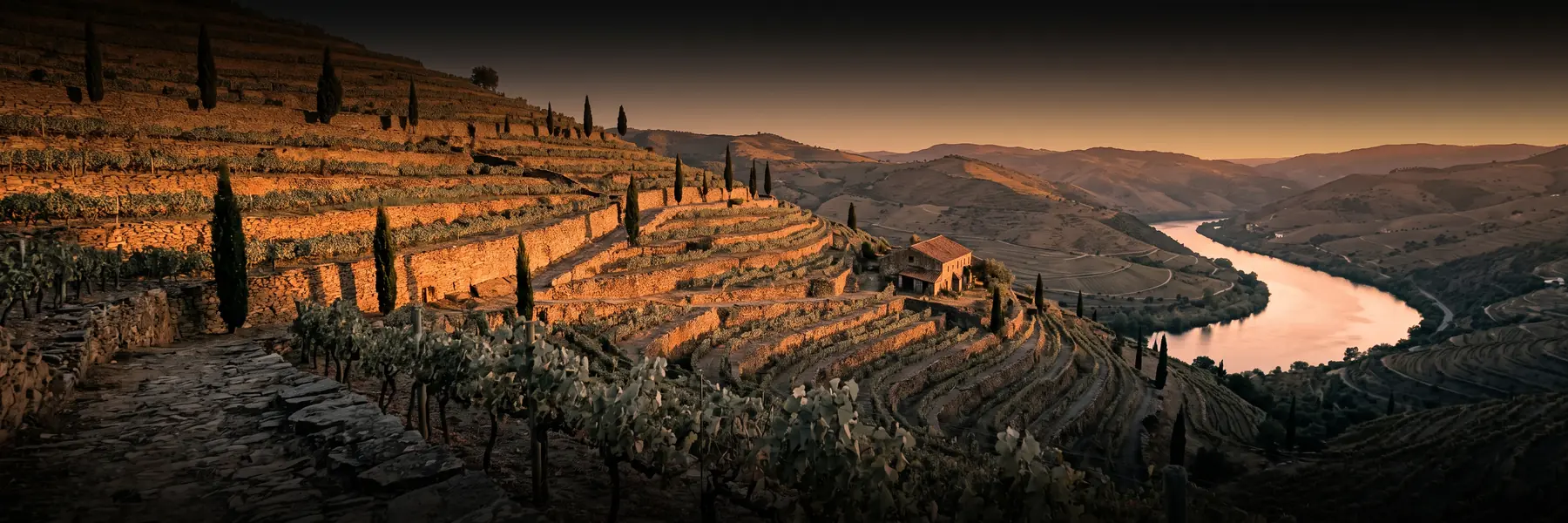
Stags Leap District — The Judgment of Paris and Velvet Tannin
Stags Leap District — The Judgment of Paris and Velvet Tannin
In May 1976 a Cabernet Sauvignon from a young Napa winery beat the first-growths of Bordeaux in a blind tasting judged by French experts in Paris. The wine was Stag's Leap Wine Cellars 1973, from a vineyard that had been planted only a few years earlier at the southern end of the Napa Valley. The result was reported around the world, and the modern California wine industry — and by extension the whole New World fine wine trade — traces much of its confidence back to it.
The district that gave the wine its name is small, distinctive, and makes a recognisably different Cabernet from its neighbours.
Geography
The appellation runs along the eastern side of the valley floor beneath the Stags Leap palisades — a dramatic wall of volcanic rock outcrops. Those cliffs do real work. They absorb heat during the day and radiate it back in the evening, extending ripening, while the appellation's position at the southern, cooler end of the valley means the afternoon wind coming off San Pablo Bay reaches it with force.
So the site is warm but ventilated: heat for ripeness, wind and evening cool for freshness. The soils are a mix of volcanic material from the hills and alluvial and gravelly loams on the floor, generally well drained and low in vigour.
The Style — "An Iron Fist in a Velvet Glove"
The phrase is a Napa cliché but it earns its place here. Stags Leap District Cabernet typically shows:
- Black cherry and blackcurrant rather than the darker, denser cassis-and-graphite profile of the hillside AVAs
- Violet perfume, olive, dried herb, cedar
- Softer, rounder, more supple tannin than Oakville or Rutherford at the same ripeness
- Real structure underneath — these are not simple wines, and they age well
That softer tannin at equivalent power is the district's signature, and it is the most useful thing about Stags Leap for a working winemaker to think about, because tannin texture is largely a decision rather than a gift.
Producers
- Stag's Leap Wine Cellars — the Paris tasting winner; SLV and Cask 23 remain the flagships
- Shafer Vineyards — Hillside Select is one of California's most consistently outstanding Cabernets
- Clos du Val — a long-established estate with an elegant, restrained house style
- Chimney Rock, Pine Ridge, Silverado Vineyards, Cliff Lede — the reliable core of the appellation
Note the confusing naming: the winery Stag's Leap Wine Cellars, the winery Stags' Leap Winery and the appellation Stags Leap District are three separate things whose apostrophes were settled by lawyers.
How to Make a Supple Cabernet
If you want power without astringency, work on these five levers in order.
1. Seed ripeness above all
Nothing in the cellar compensates for green seed tannin. Chew seeds at sampling: they should be brown, brittle and nutty, not green and bitter. This usually means accepting a later pick — and therefore planning for the alcohol that comes with it.
2. Extract early, not late
Tannin extraction accelerates as alcohol rises, and the tannin extracted late — particularly from seeds — is the harshest. A schedule that front-loads cap work and eases off in the last third of fermentation gives markedly rounder wine than an even one.
- Cold soak 1–3 days at 8–12 °C for colour and aroma before yeast activity
- Two gentle pump-overs a day at peak ferment (26–30 °C)
- One, or none, once you are within a few points of dry
3. Don't over-macerate coarse fruit
Extended maceration past dryness genuinely polymerises and softens tannin — but only when the tannin is ripe. On marginal fruit, it makes things worse. Taste the ferment daily and press when the astringency stops improving.
4. Use oxygen deliberately during élevage
Slow, small oxygen exposure builds tannin polymers that feel softer. In practice that means barrel ageing rather than tank, racking with a modest amount of splash rather than fully inert transfers, and topping barrels on schedule. Keep free SO₂ adequate for your pH while you do it — the SO₂ calculator accounts for pH, and understanding SO₂ explains why 30 mg/L free means something very different at pH 3.4 and pH 3.8.
5. Blend for texture, not only flavour
A few percent of Merlot or Cabernet Franc changes mouthfeel more than most people expect. Bench trials at assemblage, tasted for texture with your eyes closed, are worth more than a spreadsheet — see blending theory.
Numbers to aim for
- Harvest: 25–27 °Bx; pH 3.6–3.8; TA 5–6.5 g/L
- Acidify pre-ferment above pH 3.7 with tartaric — the acid adjustment calculator does the maths
- MLF standard; French oak, 40–70% new, 18–22 months
Food Pairing
Stags Leap Cabernet: rack of lamb, filet mignon, duck with cherries, mushroom dishes, Comté or aged Gouda.
Tip: Bottle a couple of small trial lots each vintage with one variable changed — say, pressing at dryness versus fourteen days extended maceration on the same fruit. Two years later you will know more about tannin in your own conditions than any guide can tell you, including this one.