Lebanon — The Bekaa Valley, Château Musar, and Wine as Style or Fault
Lebanon — The Bekaa Valley, Château Musar, and Wine as Style or Fault
Lebanon has been making wine for as long as anywhere on earth. The Phoenicians traded it across the Mediterranean, and there is a reasonable argument that the ancestors of several western European wine cultures learned the practice from Lebanese ships. The modern industry is much younger — most of it dates from the nineteenth century onward, when Jesuit missionaries and French-influenced families planted the Bekaa — and it has continued through a civil war, invasions and economic collapse with a stubbornness that is hard not to admire.
The Bekaa Valley
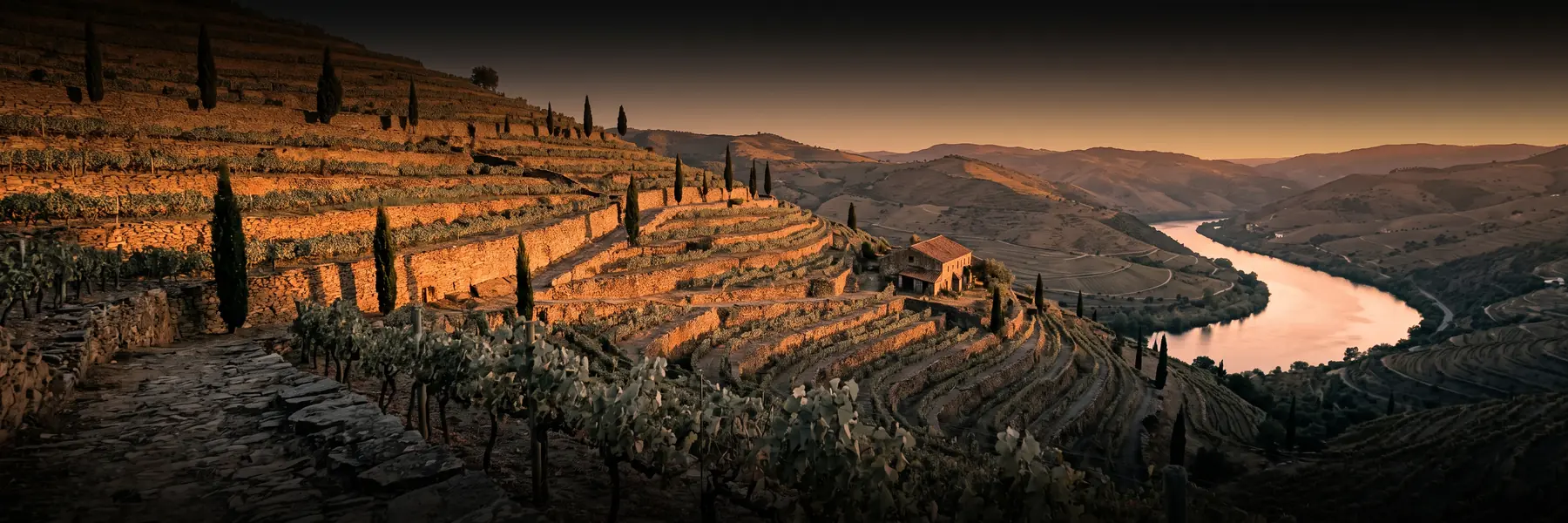
The Bekaa is a high plateau running north-east between two mountain ranges: Mount Lebanon to the west, which blocks the Mediterranean, and the Anti-Lebanon range to the east on the Syrian border. Vineyards sit at around a thousand metres, and the combination of altitude and latitude produces an unusual set of conditions:
- Hot, brilliantly sunny, and completely dry summers. Effectively no rain falls during the growing season.
- Cold nights. The diurnal swing at this altitude is large, so acidity survives despite the heat.
- Wet, cold winters with snow on the surrounding mountains, recharging groundwater.
- Very low disease pressure. With no summer rain and low humidity, fungal disease is minimal, and many growers spray far less than a European counterpart would need to. Organic farming is comparatively easy here — not by conviction but by climate.
- Dry-farming is common, with vines rooting deep to reach winter moisture.
The practical result is exceptionally healthy, clean, fully ripe fruit — with the accompanying challenges of high sugar and the need to pick on flavour rather than waiting for numbers.
The Grapes
Cinsault is the historic mainstay: light-coloured, aromatic, low in tannin, and much more interesting in Lebanon than its reputation elsewhere suggests. Old dry-farmed Cinsault is one of the country's real assets.
Carignan, Grenache, Cabernet Sauvignon, Syrah, Merlot and Mourvèdre are all planted, reflecting the French influence.
The indigenous whites are Obeideh and Merwah, both traditionally grown at altitude and both historically used for the distillate arak as much as for wine. They give textured, nutty, slow-developing whites quite unlike anything international, and they are the country's most distinctive white asset.
Producers
- Château Musar — the internationally famous name, founded by Gaston Hochar and shaped by his son Serge, who continued making wine through the Lebanese civil war. The red is a blend built on Cabernet Sauvignon, Cinsault and Carignan; the white comes from Obeideh and Merwah. Musar is released with several years of age and is bottled unfiltered.
- Château Ksara — the oldest continuously operating estate, founded by Jesuits in the nineteenth century, with cellars in Roman-era caves
- Domaine des Tourelles — another nineteenth-century foundation; excellent old-vine Cinsault and a well-regarded arak
- Massaya, IXSIR, Château Kefraya, Château St Thomas — the modern quality core
What Musar Teaches: Style or Fault?
Château Musar is one of the most divisive wines in the world, and the reason is technically instructive. The wines characteristically show elevated volatile acidity and, in many vintages, Brettanomyces character — the barnyard, leather, clove and band-aid notes that most modern winemaking is organised to prevent. Some of the most respected tasters alive consider Musar a great wine. Others consider it faulty. Both camps are describing the same compounds.
There is no way to settle that argument, and pretending otherwise would be dishonest. What you can take from it is a clear-eyed understanding of the trade-offs:
Volatile acidity (mostly acetic acid and ethyl acetate) reads as lift and complexity at low levels and as vinegar and nail varnish above threshold. Thresholds vary between people and are pushed higher by a wine's concentration. It rises with oxygen exposure, warm ferments, high pH, stuck fermentations and time in an under-topped barrel. See volatile acidity.
Brettanomyces metabolises tiny amounts of residual sugar and produces volatile phenols. It thrives in wines with high pH, low free SO₂, and warm cellars, and it is very hard to remove once it colonises wood.
The honest position: if these characters appear in your wine by accident, they are faults, because you cannot control what you did not intend. Wines that use them as a signature do so on the back of decades of experience, unusually concentrated fruit, and long ageing before release. If you want to work near that edge, you need better monitoring than a conventional cellar, not worse: reliable pH readings, regular free SO₂ measurement, disciplined topping, and cool storage.
Making Wine in a Hot, Dry, High-Altitude Climate
Picking
- Flavour ripeness arrives before you expect it in intense sunlight. Sample early and often.
- 24–26 °Bx, pH 3.5–3.7, TA 5.5–6.5 g/L is a workable red target. Above pH 3.7, acidify pre-ferment — high-pH wine is the single biggest risk factor for both VA and brett. Use the acid adjustment calculator.
- Pick at night or dawn if you can. Fruit at 30 °C entering a fermenter is a bad start.
Fermentation and cellar hygiene
- Control ferment temperature: 24–28 °C for reds. Hot, fast ferments raise VA.
- Never leave a fermentation stuck and unattended — stuck ferments are where acetic bacteria flourish. See stuck fermentation.
- Keep barrels topped, cellars cool, and free SO₂ appropriate to your pH. The SO₂ calculator accounts for pH; a fixed 30 mg/L free SO₂ target is meaningless without it.
- Sanitation, sanitation, sanitation — particularly of wood. See sanitisation.
Cinsault and light reds
Cinsault rewards restraint: whole-bunch fractions, gentle extraction, short maceration, neutral or old oak. It also makes excellent rosé.
Food Pairing
Bekaa reds: lamb kibbeh, grilled kofta, mujadara, aubergine with pomegranate, aged sheep's cheese. Obeideh / Merwah whites: mezze, hummus and tabbouleh, grilled halloumi, sea bass.
Tip: Measure free SO₂ and pH together, and act on the pair, not on either alone. Most cellar spoilage in warm-climate reds traces back to a wine sitting at pH 3.8 with a free SO₂ number that would have been adequate at pH 3.4. Molecular SO₂ — the fraction that actually protects the wine — is only a small percentage of free SO₂, and that percentage falls steeply as pH rises, so the same free SO₂ reading means substantially less protection at higher pH.