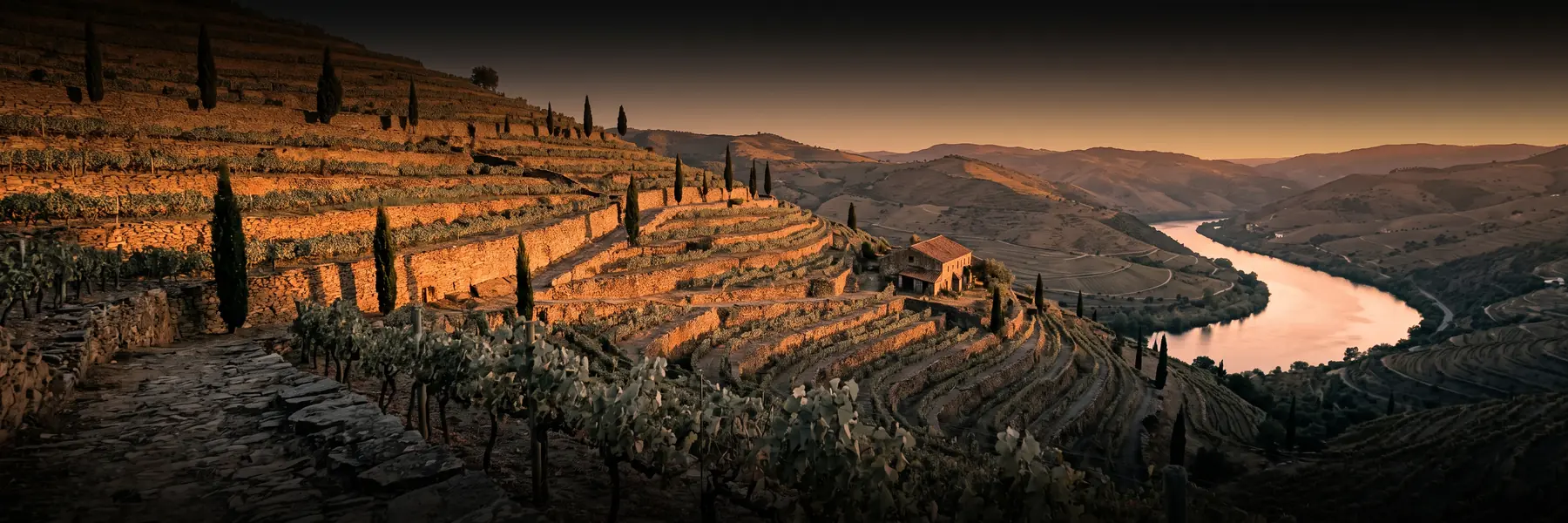
South Africa — Stellenbosch, Chenin Blanc, and the Cape's Wine Revolution
South Africa — Stellenbosch, Chenin Blanc, and the Cape's Wine Revolution
South Africa has been making wine since 1659 when Jan van Riebeeck made the Cape's first vintage. Today, it is experiencing one of the wine world's most exciting revolutions: a new generation of winemakers is rediscovering ancient Chenin Blanc (locally called "Steen") vineyards, old-vine Cinsault and Grenache plots, and unique granitic terroir that produces wines of extraordinary individuality.
Geography
South Africa's wine regions cluster around Cape Town in the Western Cape province. The mountains — the Stellenbosch, Drakenstein, and Hottentots Holland ranges — create valleys with dramatically different aspects and microclimates.
Key Regions
Stellenbosch — the most prestigious and important region; diverse soils (granite, sandstone, clay); benchmark for Cabernet Sauvignon, Bordeaux blends, and increasingly serious Chenin Blanc. The "Wards" (sub-zones) of Stellenbosch include Simonsberg-Stellenbosch, Banghoek, Bottelary and Polkadraai Hills; the famous Helderberg is an unofficial sub-area.
Franschhoek — "Valley of the Huguenots"; settled by French Huguenot refugees in 1688; beautiful valley; some of SA's most elegant wines; warm and sheltered.
Paarl — large, warm region north of Stellenbosch; diverse; Perdeberg (Swartland/Paarl boundary) specialises in old-vine Chenin.
Swartland — the epicentre of South Africa's new wave. Inland; granite and schist; dry farming (no irrigation); ancient bush vines; home of Eben Sadie and the Swartland Revolution of the 2000s–10s. Chenin Blanc, Syrah, Grenache, Mourvèdre, Cinsault.
Elgin — high altitude (300–400m); cool; emerging benchmark for Pinot Noir, Sauvignon Blanc, Riesling.
Walker Bay (Hemel-en-Aarde) — coastal; the coolest significant zone; Pinot Noir benchmark (Hamilton Russell Vineyards is world-class).
Robertson — warm, inland; limestone soils; bulk production but also some excellent Chardonnay and Cabernet.
Constantia — the oldest wine-producing area; coastal, cool; famous historically for Vin de Constance (sweet Muscat), favoured by Napoleon.
Climate
Predominantly Mediterranean — warm, dry summers; mild, wet winters. The Cape Doctor (southeast summer wind) moderates coastal temperatures. Mountain ranges create significant cooling effects:
- Coastal zones (Walker Bay, Elgin, coastal Stellenbosch): genuinely cool
- Swartland: hot, dry, continental — but old bush vines survive without irrigation
- Franschhoek valley: warm and sheltered
Key Grapes
Red
| Grape | Region | Character |
|---|---|---|
| Pinotage | All regions | SA's unique cross (Pinot Noir × Cinsault); rubber/coffee/dark fruit when overdone; elegant when handled carefully |
| Cabernet Sauvignon | Stellenbosch | SA's most planted premium red; blackcurrant, pencil lead, firm tannins |
| Syrah | Swartland, Stellenbosch | Dark fruit, olive, floral; increasingly fine quality |
| Cinsault | Swartland | Old vines; delicate, fresh; key to Swartland's light red revolution |
| Grenache | Swartland | Old vines; silky, red fruit, garrigue |
| Mourvèdre | Swartland | Structure, depth, gamey complexity |
| Merlot | Stellenbosch | Plummy, medium-bodied |
White
| Grape | Region | Character |
|---|---|---|
| Chenin Blanc (Steen) | Swartland, Paarl, Stellenbosch | South Africa's finest white; versatile; old-vine examples are extraordinary |
| Sauvignon Blanc | Elgin, Constantia, Darling | Fresh, crisp; benchmark SA white |
| Chardonnay | Walker Bay, Elgin | Increasingly excellent; cool-climate elegance |
| Muscat d'Alexandrie (Hanepoot) | Robertson, Hex River | Sweet fortified and table wines |
Chenin Blanc — South Africa's Hidden Treasure
South Africa has more Chenin Blanc planted than anywhere else in the world — more than the Loire Valley. For decades, it was used for bulk wine, brandy distillation, and cheap table wine. The new generation discovered that ancient, unirrigated Chenin bush vines (some 50–80 years old) were producing wines of extraordinary complexity and individuality.
Old-vine SA Chenin differs from Loire Chenin: richer, more textured, with a distinctive waxy/peachy character from the warm climate, balanced by real freshness from the best sites. The best examples rival fine Vouvray.
The Swartland Revolution
In the early 2000s, a group of young producers began making wines in the Swartland from ancient, unirrigated bush vines. The manifesto: minimal intervention, dry farming, whole-cluster fermentation, old neutral oak, no additions, transparency about process.
Eben Sadie (Sadie Family Wines) is the movement's leader. His "Columella" (Syrah-dominant red) and "Palladius" (Chenin-dominant white) are South Africa's most celebrated wines.
Others: Andrea Mullineux (Mullineux Wines — Syrah and old-vine Chenin), Donovan Rall, David & Nadia Sadie, Chris Alheit.
Pinotage — South Africa's Controversial Creation
Pinotage was created at Stellenbosch University in 1925 by Professor Abraham Perold — a cross between Pinot Noir and Cinsault (then known as Hermitage in South Africa, hence the name). The grape is polarising:
At its worst: High fermentation temperatures produce acetone, rubber, and varnish flavours — genuinely unpleasant.
At its best: Dark, rich, complex. Mocha, dark plum, violet, dark chocolate, and earthy character. Bellevue, Kanonkop, and Beyers Truter (Beyerskloof) produce Pinotage of genuine elegance.
Key rule: Ferment cool (below 26°C). Excessive heat produces the "Pinotage problem."
Famous Producers
- Kanonkop — the Cabernet Sauvignon benchmark and finest traditional Pinotage
- Hamilton Russell Vineyards — Walker Bay; SA's greatest Pinot Noir and Chardonnay
- Sadie Family Wines — Swartland revolution leader; Columella and Palladius are SA's most sought wines
- Mullineux Wines — benchmark Swartland; single-terroir Syrah and old-vine Chenin
- Boekenhoutskloof — Franschhoek; "The Chocolate Block" is one of SA's best-selling premium wines; also excellent Semillon
- Vergelegen — Anglo American estate; outstanding Cabernet and Semillon
- Meerlust — classic Stellenbosch; Rubicon (Bordeaux blend) is a South African institution
Making Old-Vine Chenin Blanc (Swartland Style)
The Swartland approach to Chenin Blanc is minimal-intervention, terroir-expressive:
- Harvest: Physiologically ripe — waxy character on the skin, honey flavour in the berry. Target 23–25°Bx; pH 3.3–3.5.
- Whole-cluster pressing — gentle; long, slow press (2–4 hours).
- Wild fermentation — no added yeast; spontaneous; temperatures allowed to rise naturally in barrel or old tank.
- Old neutral oak (300–500L barrels, 3–5 fill) — very little oak flavour; promotes gentle integration.
- Extended lees ageing (10–18 months) — bâtonnage monthly for texture.
- No fining, no filtration (for top wines).
- Bottle unfined under natural cork.
Food Pairing
Old-vine Chenin Blanc: West Coast crayfish (spiny lobster), Cape Malay curry, braised white fish, mild hard cheeses.
Swartland Syrah: Cape Malay lamb curry, venison, grilled ostrich fillet, mushroom dishes.
Walker Bay Pinot Noir: grilled salmon, duck leg, wild mushroom risotto.
Kanonkop Pinotage: braai (barbecue) — especially boerewors and lamb chops.
Tip: Old-vine South African Chenin Blanc is one of the world's great underrated white wines. Look for producers using dry-farmed bush vines (often 50–80 years old) in the Swartland or Paarl. These wines have a unique texture and complexity that no young-vine Chenin can replicate — and they are often priced far below their quality level.