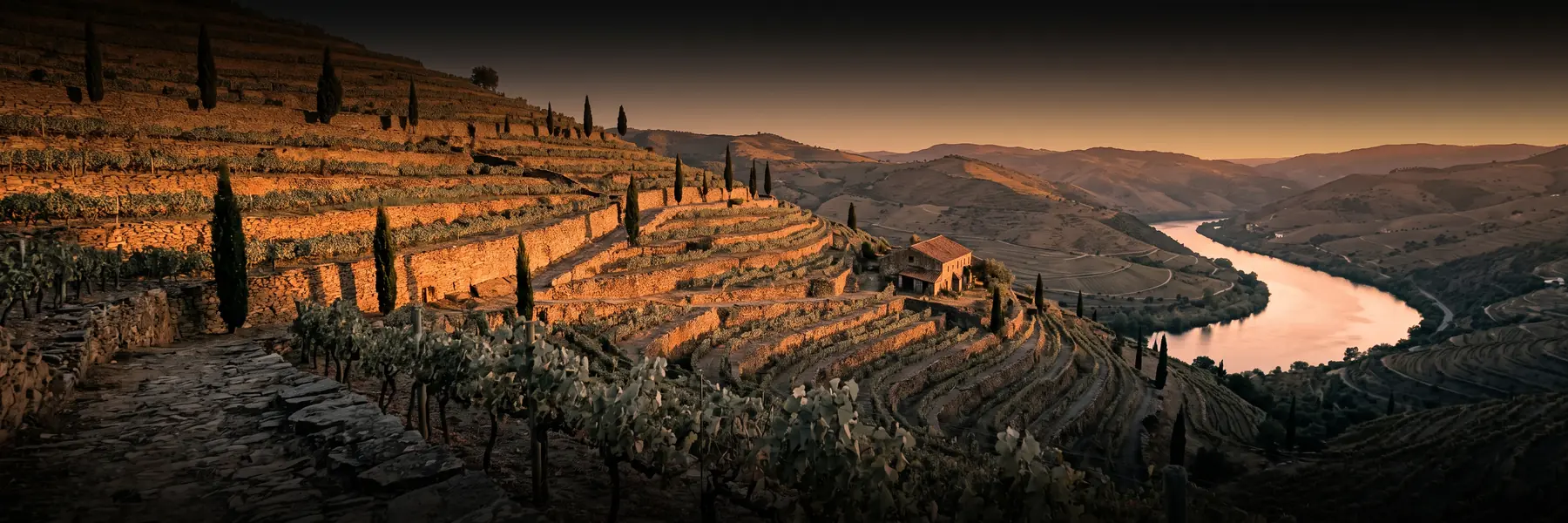
Sonoma & Willamette Valley — Pinot Noir Heartland of the Pacific Coast
Sonoma & Willamette Valley — Pinot Noir Heartland of the Pacific Coast
Sonoma County and Oregon's Willamette Valley are the two great Pinot Noir regions of the American Pacific Coast. Cooler, more complex, and more Burgundian in character than their southern California counterparts, they represent the finest expression of the variety in the New World.
Sonoma County
Sonoma is Napa Valley's neighbour and rival — and in many respects its opposite. Where Napa is corporate and concentrated, Sonoma is diverse and sprawling. It is far larger than Napa, with far more varied terroir, and produces a much wider range of wine styles.
Geography
Sonoma County extends from San Pablo Bay in the south to Mendocino in the north, with the Pacific Ocean to the west. Its diverse geography creates multiple distinct AVAs.
Key sub-AVAs:
- Russian River Valley — the most important; cool, foggy; premium Pinot Noir and Chardonnay
- Sonoma Coast — expansive (too expansive, critics argue); coastal influence; diverse
- Fort Ross-Seaview — extreme coastal; rugged; tiny production; compelling Pinot and Chardonnay
- Alexander Valley — warmer, inland; excellent Cabernet Sauvignon and Zinfandel
- Dry Creek Valley — warm, inland; benchmark Old Vine Zinfandel
- Carneros (shared with Napa) — cool; Pinot Noir, Chardonnay, sparkling
Key Grapes (Sonoma)
Pinot Noir, Chardonnay, Zinfandel, Cabernet Sauvignon, Sauvignon Blanc, Syrah (Peay and Arnot-Roberts as benchmarks).
Famous Producers (Sonoma)
- Williams Selyem — the iconic Russian River Pinot producer; Williams and Selyem built a cult following before selling; still benchmark quality
- Littorai — the most Burgundian California Pinot; biodynamic; Ted Lemon's precise, mineral approach
- Kistler Vineyards — benchmark Chardonnay and Pinot
- Flowers Vineyard — extreme coastal Sonoma Coast; stunning wines
- Rochioli — Russian River; old vine; family estate; allocation-only cult wines
- Ridge Vineyards — Lytton Springs Zinfandel and Geyserville (Alexander Valley); classics
Sonoma Wine Style
Russian River Pinot: silky, elegant, red cherry, earthy mushroom, strawberry. More restrained than Napa; clear Burgundian inspiration. Chardonnay: toasty, rich but more mineral than Napa; classic California style.
Willamette Valley, Oregon
Oregon's Willamette Valley sits on the 45th parallel, about two degrees south of Burgundy (~47°N) — its kinship with Burgundy is climatic, from the cool Pacific influence, more than latitudinal. The cool, maritime-influenced climate produces Pinot Noir of remarkable elegance, finesse, and food-friendliness.
Geography
The Willamette Valley runs south from Portland to Eugene, bounded by the Coast Range (west, blocking Pacific rainfall) and the Cascades (east). Eleven recognised nested AVAs within Willamette (as of 2026); the six founding ones:
- Dundee Hills — red Jory soil (volcanic basalt over marine sediment); the benchmark zone for Pinot Noir
- Chehalem Mountains — diverse soils (Jory, Loess, Laurelwood); complex wine character
- Ribbon Ridge — 100% sedimentary marine rock; elegant, cool-climate expression
- Yamhill-Carlton — warmer; Pinot of body and structure
- Eola-Amity Hills — exposed to marine influence through Van Duzer corridor; fresh, structured
- McMinnville — volcanic basalt; small zone; distinctive wines
Climate (Willamette)
Maritime Continental. Influenced by the Pacific via the Van Duzer Corridor. Warm, dry summers ripen grapes slowly; cool autumns preserve acidity. Rain is the main harvest risk — September and October weather determines vintage quality. Fundamentally different from California's predictable heat.
Key Grapes (Oregon)
- Pinot Noir — 60%+ of all plantings; the focus
- Chardonnay — increasingly excellent; cool-climate, restrained, mineral
- Pinot Gris — widely planted; fresh, food-friendly; Oregon's signature white
Famous Producers (Oregon)
- Domaine Drouhin Oregon — Robert Drouhin (Burgundy) established this in 1987; the clearest Burgundian expression in America
- Eyrie Vineyards — David Lett planted the Willamette Valley's first Pinot Noir in 1965 (Richard Sommer's 1961 HillCrest planting in the Umpqua Valley was Oregon's first); the pioneer; Eyrie still produces characterful, age-worthy wine
- Ponzi Vineyards — another pioneer; consistently excellent
- Adelsheim — benchmark across Pinot and Chardonnay
- Cristom — single-vineyard expressions; outstanding quality and consistency
- Beaux Frères — Michael Etzel and Robert Parker Jr.'s estate; powerful, concentrated Pinot from Ribbon Ridge
Oregon vs California Pinot Noir
| Feature | Willamette Valley | Russian River / California |
|---|---|---|
| Alcohol | 12.5–14% | 13.5–15% |
| Body | Light to medium | Medium to full |
| Fruit | Red cherry, cranberry, earthy | Black cherry, raspberry, plum |
| Oak | Subtle | More pronounced |
| Style | Burgundian | New World |
| Ageing | 5–15 years | 5–12 years |
Making Burgundian-Style Pinot Noir (Sonoma/Oregon Approach)
The Key Principles
Cool-climate Pinot Noir from Sonoma and Oregon is made with a distinctly Old World philosophy by the best producers:
-
Whole cluster fermentation — 20–50% intact clusters included for structural complexity, floral aromatics, and a "meaty" savouriness. Reduces perceived alcohol slightly.
-
Cold soak — 3–5 days at 5–10°C before fermentation. Colour extraction without harsh tannins.
-
Gentle extraction — punch-downs (not pump-overs) by hand or with small pneumatic tools. Pinot Noir skins are fragile; over-extraction is easy and devastating.
-
Cool fermentation — 22–27°C (cooler than for Cabernet). Preserves delicate aromatics.
-
Light French oak — tight-grain French, 15–25% new for village-level style; 35–50% new for single-vineyard. No more. 10–14 months.
-
Unfined, unfiltered (for premium) — preserves complexity at the cost of some stability risk.
Harvest parameters
| Parameter | Target |
|---|---|
| Brix | 22–24°Bx |
| pH | 3.3–3.6 |
| TA | 5.5–7.5 g/L |
Food Pairing
Russian River Pinot Noir: roast duck, salmon, mushroom risotto, pork belly.
Willamette Pinot: grilled salmon (the Oregon pairing), roast chicken, mushroom pasta, mild cheeses.
Oregon Pinot Gris: dungeness crab, grilled shellfish, light cream dishes.
Tip: Pinot Noir from cool Pacific Coast regions — Oregon especially — is best drunk 5–10 years after harvest. Resist the temptation to open them young. The wines are often closed and astringent at 2–3 years and only open up into their full complexity after 6–8 years.