Rheingau — Riesling on the Rhine
Rheingau — Riesling on the Rhine
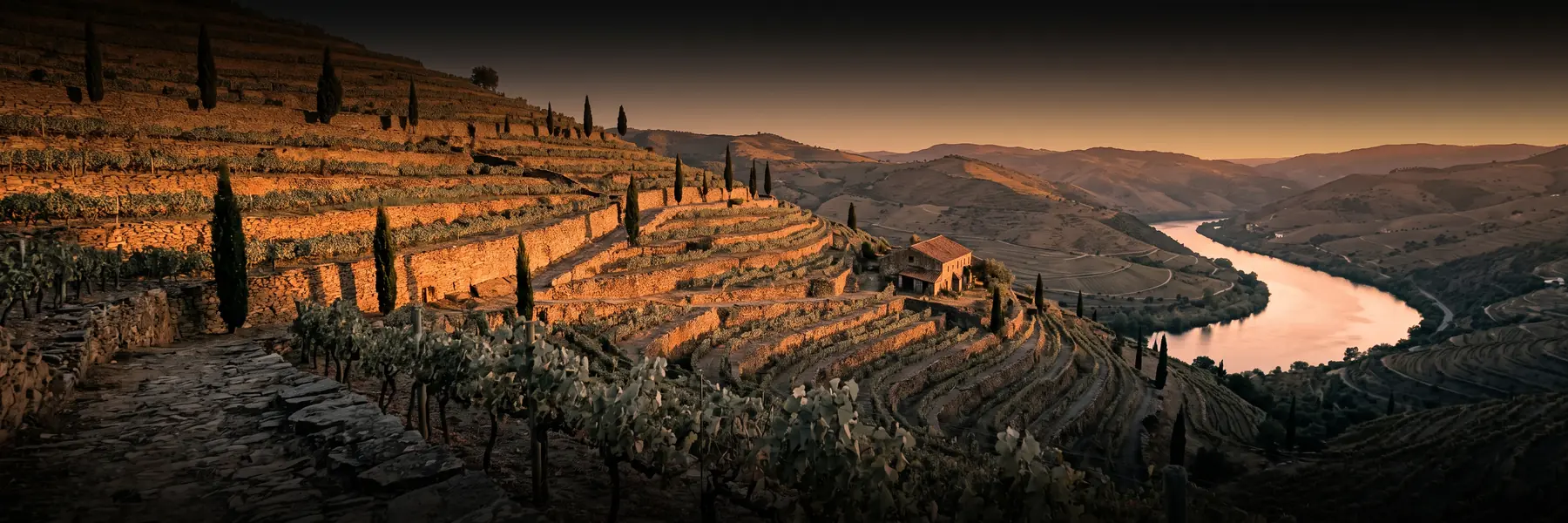
The Rheingau is one of Germany's smallest wine regions but one of its most historically significant. The Rhine makes a rare westward turn here, creating a south-facing slope on the river's north bank — and this exposure, combined with the Taunus Mountains' shelter from cold north winds, produces Riesling of more body and structure than the delicate Mosel style.
Geography
The Rheingau runs about 30km along the Rhine's north bank between Wiesbaden and Rüdesheim. The south-facing slope is steep in places; the soils are varied — loess, quartzite, slate, and Taunus quartzite. The region also includes the Hochheim area further east on the Main tributary (the origin of the British term "Hock" for German white wine).
Key villages: Rüdesheim, Geisenheim, Johannisberg, Hattenheim, Erbach (Marcobrunn — historically one of the Rheingau's most famous single vineyards), Rauenthal, Hochheim.
Climate
Continental with Rhine moderation. Warmer and drier than the Mosel. The Taunus Mountains block cold north air. The Rhine's thermal mass moderates autumn temperatures, extending the ripening season. Historically one of Germany's most reliably warm harvests — hence the Rheingau's tradition of dry and powerful Riesling.
Key Grapes
- Riesling — 78% of plantings; the region's focus
- Spätburgunder (Pinot Noir) — historically grown around Assmannshausen; Rheingau Pinot is distinctively structured for Germany
Historic Significance
The Rheingau has an extraordinary wine history:
- Schloss Johannisberg — monastery estate that supposedly discovered Spätlese (late harvest) wine by accident in 1775 when the harvest messenger was delayed
- Steinberg — vineyard founded by Cistercian monks in the 12th century; the famous enclosing wall (like a Burgundian clos) was completed in 1767
- Hochheim — Queen Victoria visited in 1845; "Hock" as British slang for German white wine originates here
- Kloster Eberbach — medieval monastery that was central to Rheingau wine history; now belongs to the state; hosts the German Wine Academy
The Rheingau Style vs Mosel
| Feature | Rheingau | Mosel |
|---|---|---|
| Soil | Loess, quartzite, slate | Blue Devonian slate |
| Alcohol | Higher (11–12.5% Trocken) | Lower (8–10% Kabinett) |
| Body | Fuller, more powerful | Delicate, light |
| Acidity | High but less extreme | Very high |
| Style | Structured, dry tendency | Delicate, off-dry/sweet |
| Ageing | 5–20 years | 5–30 years |
The Rheingau has historically been at the forefront of dry Riesling production. The region's estates were early proponents of Charta (a dry Rheingau Riesling quality organisation, founded 1984) and the VDP GG (Grosses Gewächs) designation.
Famous Producers
- Georg Breuer — the modern benchmark; dry Riesling from Berg Schlossberg and Berg Roseneck; precise, mineral
- Robert Weil — Kiedricher Gräfenberg; excellent across Kabinett through TBA; consistent and impressive
- Peter Jakob Kühn — Oestrich; biodynamic; Doosberg and St. Nikolaus
- Schloss Johannisberg — historic estate; variable in quality but important for history
- Schloss Vollrads — one of Germany's oldest estates; large production; reliable
- J.B. Becker — traditional; real Auslese and above wines of age-worthiness
Wine Styles
Rheingau Riesling Trocken (dry): The region's contemporary focus. Structured, mineral, full-bodied for Riesling. Quince, white peach, lime, mineral depth. 11–12.5% ABV. Ages 5–15 years.
Rheingau Riesling Kabinett/Spätlese: Off-dry; richer and more full-bodied than Mosel equivalents at the same Praedikat level.
Hochheimer Riesling: The easternmost wines on the Main; slightly different character — more mineral, sometimes more austere.
Rheingau Spätburgunder (Assmannshausen): Germany's most respected Pinot Noir zone; earthy, red fruit, firm structure; lighter than Burgundy but with genuine complexity.
Making Rheingau-Style Dry Riesling
The Rheingau approach prioritises dry, structured wine over the delicate sweetness of the Mosel:
Harvest
- Trocken (dry) style: harvest at 23–25°Bx; aim for natural Brix ripeness.
- pH 3.0–3.3; TA 7.5–9.5 g/L.
- The higher natural alcohol (vs Mosel) comes from riper, warmer conditions.
Fermentation
- Cool fermentation (13–16°C) in stainless steel or traditional oak Stückfass (1,200L).
- Trocken style: ferment to complete dryness (<4 g/L residual sugar).
- Yeast: Oenoferm Cool, VL3, or Geisenheim 6170 (a strain developed at the Geisenheim University, Germany's premier wine research institution, located in the Rheingau).
Ageing
- Stainless or large neutral oak; 6–12 months on fine lees.
- No MLF — preserve the malic acidity that defines Riesling's character.
- Bottle mid-spring; give 6+ months bottle age before drinking.
The Geisenheim University
Located in the village of Geisenheim in the heart of the Rheingau, the Geisenheim Institute (now Hochschule Geisenheim University) is one of the world's leading wine research and teaching institutions. Yeast strains, vine clones, fermentation techniques, and oenological research developed here influence wine production globally.
Food Pairing
Rheingau Trocken: roast pork with cabbage, river fish, asparagus, white sauces.
Kabinett/Spätlese: lighter pork dishes, sushi, Indian curry, smoked salmon.
Assmannshausen Spätburgunder: game birds, wild mushrooms, mild red meat.
Tip: Dry Riesling from the Rheingau is one of the most versatile food wines in the world. Its combination of high acid, body, and dryness lets it work with dishes that would overwhelm a Chablis or bore an Alsace Gewurztraminer. Keep a few bottles from a good vintage producer and drink them over 5–10 years — they transform beautifully.