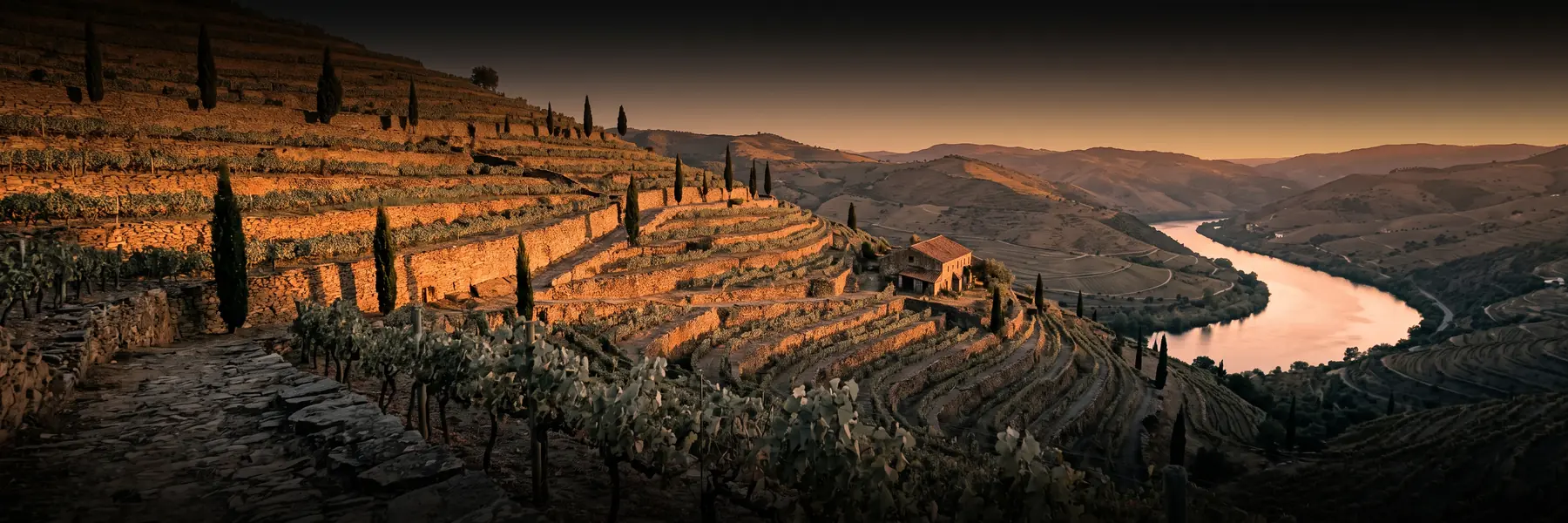
Provence — The World's Finest Rosé Region
Provence — The World's Finest Rosé Region
Provence has defined modern rosé. While the region produces serious red and white wine, it is the pale, elegant, bone-dry Provençal rosé — consumed on sun-drenched terraces from Saint-Tropez to Manhattan — that has transformed it into one of the world's most commercially powerful wine brands.
Geography
Provence sits in southeastern France, between the Rhône delta and the Italian border. It is a region of dramatic landscapes: the limestone Alpilles, the Massif de la Sainte-Baume, coastal cliffs, and the Var plain. The three main appellations are:
- Côtes de Provence — largest, most varied; the source of most commercial Provence rosé
- Coteaux d'Aix-en-Provence — diverse soils; red and rosé, some white
- Coteaux Varois en Provence — the cooler, higher inland zone; the three together account for ~96% of production
Sitting apart from the volume appellations is Bandol — the jewel of Provence; Mourvèdre-dominated reds of great depth; also fine rosé.
Côtes de Provence recognises five named sub-zones (dénominations géographiques complémentaires): Sainte-Victoire (2005, high altitude, limestone), Fréjus (2005), La Londe (2008, marine, clay-limestone), Pierrefeu (2013, maritime clay) and Notre-Dame des Anges (2019). (There is no Grand Cru here — the 1955 "Cru Classé" list is a classification of individual estates.)
Climate
Mediterranean. 3,000+ hours of sunshine per year. Low rainfall. Dry, hot summers. The Mistral wind clears humidity and is crucial for grape health. This combination produces grapes of extraordinary natural cleanliness — essential for delicate rosé production.
Key Grapes
| Grape | Role |
|---|---|
| Grenache | Primary rosé grape; pale colour, red fruit, strawberry |
| Cinsault | Delicacy, freshness, low tannin — essential for pale colour |
| Syrah | Structure, depth; growing in importance |
| Mourvèdre | Dominant in Bandol; dark, gamey, tannic; ages magnificently |
| Tibouren | Indigenous; delicate, herbal; found in premium rosé blends |
| Rolle (Vermentino) | Fresh, aromatic white; increasing presence |
| Clairette | Traditional white variety |
Famous Producers
- Domaine Ott — the house that built Provence rosé's luxury reputation. Consistent, elegant.
- Château Miraval — owned by the Jolie-Pitt family; excellent quality rosé; Perrin family consulting.
- Château d'Esclans — Sacha Lichine's estate; "Whispering Angel" is the world's best-selling premium rosé.
- Domaines Bunan — Bandol benchmark; extraordinary aged Mourvèdre reds.
- Château Pibarnon — Bandol; elegant, mineral.
- Domaine Tempier — Bandol cult producer; natural, characterful wines.
Bandol — The Serious Side of Provence
Bandol is Provence's most important appellation for red wine. Mourvèdre must comprise at least 50% of red Bandol (in practice 70–90%). The wines are dark, tannic, wild — scents of garrigue, wild herbs, game, leather, and dark fruit. They age 10–25 years.
Bandol rosé (also Mourvèdre-heavy) is a richer, more structured expression than other Provence rosé.
Making Provençal Rosé
The key to Provence-style rosé is pale colour, fresh aromatics, and perfect dryness. This requires careful decision-making from harvest through bottling.
Harvest
- Pick earlier than for red wine — 21–23°Bx. Lower sugar = lower alcohol; freshness is the goal.
- Harvest at night or early morning to keep fruit cool. Temperature matters at every step.
Colour extraction: direct press vs. saignée
Direct press — the Provence method: whole clusters pressed immediately, as for white wine. Minimal skin contact (1–4 hours maximum). This produces the palest, most delicate wines.
Saignée (bleeding) — red wine grapes are partially bled before red fermentation. Produces deeper, richer rosé. Less common in top Provence estates.
Settling and fermentation
- After pressing, settle the juice cold (5–8°C) for 12–24 hours to drop solids.
- Ferment at 12–15°C in stainless steel. Temperature control is critical — too warm loses aromatics.
- Yeast: Lalvin QA23 or 71B — reliable choices for fresh, aromatic rosé. Alternatively Sauvignon yeast strains to enhance tropical fruit notes.
Blending
- Blend varieties after fermentation, before fining and stabilisation.
- Grenache (fruit/colour), Cinsault (freshness/delicacy), Syrah (structure), Tibouren (herbal lift).
Bottling
- Fine early; bottle with adequate free SO₂ (20–25 mg/L at pH 3.2–3.3).
- Bottle under slight vacuum or inert gas to protect delicate aromatics.
- Use Stelvin closure or quality cork; both work well.
- Drink young — within 18 months of bottling for maximum freshness.
Food Pairing
Provence rosé: niçoise salad, grilled fish, bouillabaisse, charcuterie, aioli, ratatouille.
Bandol Rouge: slow-roasted lamb, wild boar, aged cheeses.
Bandol Rosé: bouillabaisse, langoustine, roast chicken with herbs.
Tip: The biggest mistake home winemakers make with rosé is leaving it on the skins too long chasing a richer colour. Pale is the goal. Press within 2–4 hours and protect the juice from oxidation at every step.