Priorat & Ribera del Duero — Spain's Prestige Red Wine Regions
Priorat & Ribera del Duero — Spain's Prestige Red Wine Regions
These are Spain's two most prestigious red wine appellations after Rioja — and in terms of concentration and ambition, they frequently surpass it. Both produce wines that compete on the world stage at the highest level. Both are built on completely different traditions.
Priorat DOCa
Priorat sits in a remote inland region of Catalonia, about an hour from Barcelona. It is one of only two Spanish wine regions with the highest DOCa status (the other is Rioja), and it earned it through a quality revolution in the 1980s–90s driven by a group of producers called the "Priorat pioneers."
Geography
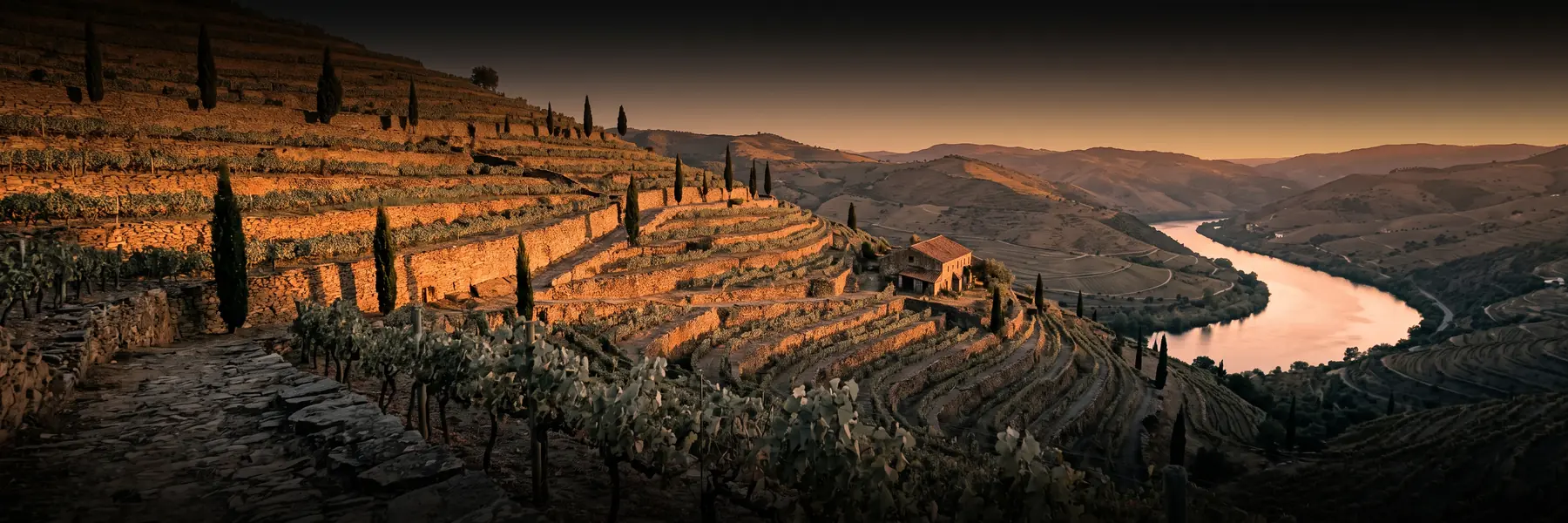
Rugged, spectacular terrain. Ancient eroded valleys with steep terraced vineyards. The distinctive soil — llicorella — is dark schist and slate with a high mica content. It drains freely, forcing vines to root deeply to find water, resulting in exceptional concentration. Altitudes of 100–700m.
Sub-zones within Priorat:
- Gratallops — the pioneering village; home of Álvaro Palacios and Clos Mogador
- Porrera — steep schist; old Cariñena and Garnacha vines
- Scala Dei — historic; site of the medieval Carthusian monastery that established viticulture
- El Lloar, Bellmunt, La Morera de Montsant
Key Grapes (Priorat)
- Garnacha (Grenache) — principal red; old vines; concentrated, powerful
- Cariñena (Carignan) — old vines; tannic, mineral, excellent on schist
- Cabernet Sauvignon — introduced by the pioneers; used in blends
- Syrah — structural blending component
- Garnacha Blanca — white wines; mineral, waxy
Famous Producers (Priorat)
- Álvaro Palacios — the most famous name; "L'Ermita" (from old-vine Garnacha on llicorella) is Spain's most sought-after and expensive wine
- René Barbier — founding pioneer of the modern Priorat movement; Clos Mogador
- Clos de l'Obac (Costers del Siurana) — Carles Pastrana; founding pioneer
- Mas Doix — benchmark old-vine Cariñena and Garnacha
- Terroir al Límit — natural, biodynamic; pure llicorella expression
Wine Style (Priorat)
Concentrated, mineral, powerful. Old-vine Garnacha and Cariñena from llicorella produce wines of extraordinary density and complexity: dark fruit, graphite, dried herbs, minerals, iron-like grip. High alcohol (14–16% ABV) is balanced by equally powerful structure. Among the longest-lived Spanish wines.
Ribera del Duero DO
Ribera del Duero runs along the Duero River on the high Castilian plateau, 100km north of Madrid at 700–1,000m altitude. The altitude — the highest major wine region in Spain — creates the extreme diurnal temperature variation essential for Tempranillo (locally called Tinto Fino) to produce wines of both ripe fruit and bright acidity.
Geography
Flat to gently rolling plateau. Sandy, limestone-rich soils. The Duero River moderates some extreme temperature variation. A cold climate (frost possible in May and October) that produces naturally high-acid, structured Tempranillo — very different in character from Rioja Tempranillo grown at lower altitude.
Key Grapes (Ribera del Duero)
- Tinto Fino (Tempranillo) — must be 75% minimum; often 100%
- Cabernet Sauvignon, Merlot, Malbec — up to 25% permitted
- Albillo Mayor — only white variety permitted; rarely seen
The Classification
Unlike Rioja, Ribera del Duero's classification is less standardised. Most producers label by brand rather than by crianza/reserva designations. The most famous wines:
- Vega Sicilia "Único" — Spain's most celebrated wine; Tempranillo + Cabernet; ages 10+ years in oak before release
- Pingus — one bottle, one vine philosophy; Peter Sisseck's tiny production; extraordinary concentration
- Emilio Moro — reliable, excellent quality across levels
- Pesquera — Alejandro Fernández; historic; powerful, accessible
- Dominio de Pingus "Flor de Pingus" — Pingus second wine; excellent value
- Condado de Haza — Fernández's second estate; reliable, good value
Wine Style (Ribera del Duero)
Ribera Tempranillo is more intense, tannic, and structured than Rioja. Dark cherry, blackberry, graphite, tobacco, cedar. At top level: extraordinary concentration and 20–30+ year ageing potential. French oak is now dominant (unlike Rioja's American oak tradition).
Making Priorat/Old-Vine Garnacha Style
Old-vine Garnacha on rocky, free-draining soils requires a different approach from standard red winemaking:
- Yields are naturally very low — sometimes 10–20 hl/ha vs. 60–80 hl/ha in fertile vineyards.
- Fruit concentration is extreme — adjust must additions carefully.
- Ferment at 26–30°C with moderate extraction. Garnacha has thin skins despite low yields; overextraction produces bitter phenolics.
- Large format oak (tonneaux, demi-muid, foudre) integrates better with old-vine Garnacha than new barriques.
- Age minimum 18–24 months.
Making Ribera-Style Tempranillo (Tinto Fino)
- Harvest at 23–25°Bx. The high altitude naturally preserves acidity.
- Ferment at 28–30°C; 15–20 day maceration.
- French oak preferred: medium to medium+ toast; 12–18 months; 30–50% new for premium.
- Tinto Fino's naturally firm tannins benefit from 24+ months ageing before release.
Food Pairing
Priorat: Roasted whole suckling pig, wild mushroom stew, aged Manchego, dark chocolate.
Ribera del Duero: Roast lamb (lechal), roast suckling pig (cochinillo de Segovia), Castilian roasted meats, Manchego cheese.
Tip: Old-vine Garnacha from rocky, low-yield sites is one of the world's most underestimated red grapes. The combination of concentration (from stressed vines) and softness (from Grenache's naturally low tannin) produces a unique texture. Avoid over-extraction and heavy new oak — let the fruit speak.