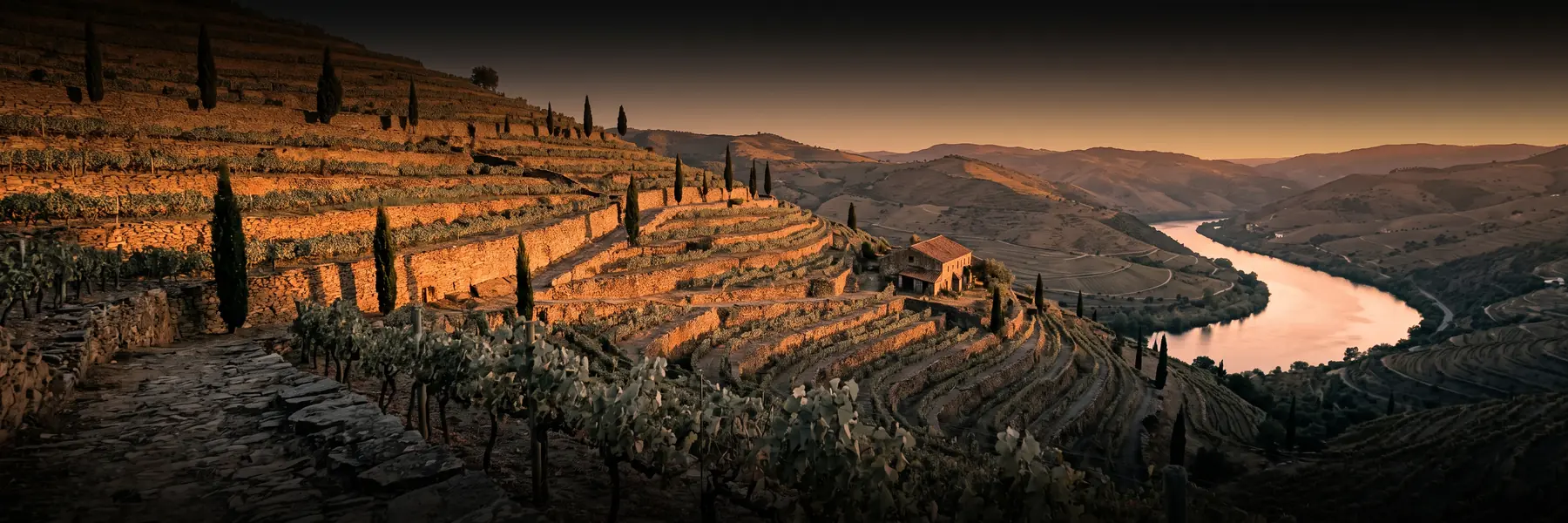
Piedmont — Nebbiolo, Barolo, and Italy's Wine Kingdom
Piedmont — Nebbiolo, Barolo, and Italy's Wine Kingdom
Piedmont, nestled in the northwest corner of Italy against the Alps and Apennines, is Italy's most prestigious wine region and the benchmark for Nebbiolo — one of the world's truly great red grapes. Barolo is called the "King of Italian Wines"; Barbaresco its slightly more accessible consort.
Geography
The region centres on the Langhe hills around the town of Alba, south of Turin. Key wine zones radiate from here:
- Barolo DOCG — 11 communes south of Alba on calcareous marl and clay soils; five historic communes (La Morra, Barolo, Castiglione Falletto, Serralunga d'Alba, Monforte d'Alba)
- Barbaresco DOCG — three communes northeast of Alba (Barbaresco, Neive, Treiso); sandier, cooler soils
- Langhe Nebbiolo — declassified or younger-vine Nebbiolo; excellent value
- Barbera d'Asti and Barbera d'Alba — Barbera dominates volume; excellent everyday wines
- Dolcetto d'Alba — lighter, fresh everyday red
- Moscato d'Asti DOCG — gently sparkling, low-alcohol sweet Muscat; worldwide popularity
- Gavi DOCG — Cortese white; crisp, mineral; from Alessandria province
Climate
Continental with Alpine influence. Cold winters, hot summers with cool nights (essential for Nebbiolo's perfume retention). Autumn fog (la nebbia — which gives Nebbiolo its name) is common in October, extending the ripening season. The Apennines to the south block Mediterranean heat; the Alps to the north create a natural amphitheatre.
Key Grapes
| Grape | Style |
|---|---|
| Nebbiolo | Noble; Barolo, Barbaresco; tar, roses, cherry, leather, powerful tannins |
| Barbera | High acid, low tannin; dark fruit; plummy and approachable |
| Dolcetto | Dry, light-medium body; cherry, almonds; drink young |
| Moscato Bianco | Moscato d'Asti; sweet, frothy, low alcohol |
| Cortese | Gavi; dry, crisp white |
| Arneis | Local white; floral, nutty; Roero DOCG (since 2004) |
Barolo vs Barbaresco
| Feature | Barolo | Barbaresco |
|---|---|---|
| Size | Larger | Smaller |
| Soils | Older Serravallian (Helvetian) marls in the eastern communes, younger Tortonian in the west | Predominantly Tortonian, sandier |
| Style | More powerful, tannic, austere | More elegant, accessible earlier |
| Ageing requirement | 38 months (62 for Riserva) | 26 months (50 for Riserva) |
| Key communes | La Morra, Serralunga d'Alba | Barbaresco, Neive |
The Barolo Wars
In the 1980s–90s, Piedmont was divided between "traditionalists" and "modernists":
- Traditionalists (Giacomo Conterno, Bartolo Mascarello): long macerations (30–60 days), large Slavonian oak botti, wines needing 20+ years.
- Modernists (Angelo Gaja, Elio Altare): shorter macerations (10–15 days), new French barriques, more approachable wines.
Today the distinction has blurred — most producers take a middle path. The best Barolo is made in both styles.
Famous Producers
- Giacomo Conterno — traditional benchmark; "Monfortino" Riserva is one of Italy's greatest wines
- Bartolo Mascarello — uncompromising traditionalist; "Barolo" label art is collector's item
- Angelo Gaja — most commercially successful Piedmontese producer; brought international attention with Sori San Lorenzo, Sori Tildin, Costa Russi Barbaresco
- Elio Altare — modernist pioneer; opened debate on Barolo style
- Bruno Giacosa — master of both Barolo and Barbaresco; legendary Riservas
- G.D. Vajra — superb balance of traditional and modern; benchmark Bricco delle Viole Barolo
Wine Styles
Barolo: Tar and roses, dried cherry, iron, tobacco, leather. Enormous tannin structure at release; needs 5–10 years minimum; peak 15–30+ years. Only 100% Nebbiolo.
Barbaresco: More floral, slightly less power; more approachable at 5–8 years; still ages 15–20+ years well.
Barbera d'Alba/Asti: High acidity, low tannin; dark plum and blackberry; often oaked (American or French) for a smoky, vanilla character. Drink 2–6 years.
Moscato d'Asti: Gently fizzy (frizzante), 5–5.5% ABV, intensely floral and peachy. Drink the youngest available.
Making Nebbiolo
Nebbiolo is Italy's most challenging grape to make. It requires long maceration to resolve its tannins, yet overextraction creates harsh, dried-out wines.
Harvest
- Nebbiolo ripens late (October); last to be picked in Piedmont.
- Target: 24–26°Bx; pH 3.4–3.6; TA 6–8 g/L.
Fermentation
- Traditional: submerged cap (cappello sommerso) fermentation at 28–30°C; 30–60 days total skin contact.
- Modern: pump-over/punch-down at 28–30°C; 15–25 days skin contact.
- Rotary fermenters used by some modernists.
Yeast
- RC212 — spice, structure, colour stability — excellent for Nebbiolo
- Spontaneous fermentation is common in traditional cellars
MLF
Always. Nebbiolo's high natural acidity demands conversion.
Oak
- Traditional: large Slavonian botti (25–80hL), minimum 2 years; little oak flavour
- Modern: French barriques (225L), 50–100% new, 18–24 months
- Contemporary: mix of medium toast tonneaux (500L) and barriques
Food Pairing
Barolo: white truffle dishes (risotto al tartufo), braised beef cheek, game, aged Parmigiano-Reggiano and Castelmagno cheese.
Barbaresco: duck, hare, mushroom pasta, mild-aged cheeses.
Barbera: antipasti, pizza, pasta al pomodoro, grilled meats.
Moscato d'Asti: fresh fruit, peach tart, panettone, light desserts.
Tip: Nebbiolo's tannins are famously harsh when young. If you're making it, taste every 2–3 days during maceration — the window between "good tannin structure" and "unpleasantly astringent" is narrow. Stop extraction before the tannins become drying.