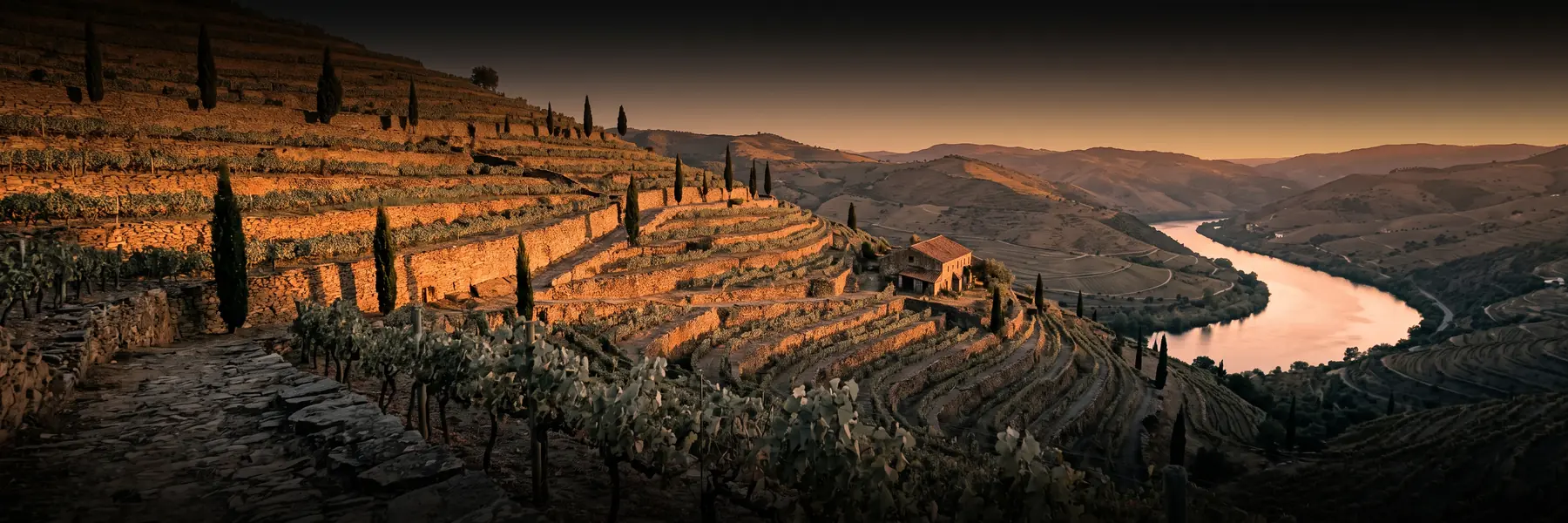
Napa Valley — California Cabernet and the New World's Greatest Wine Valley
Napa Valley — California Cabernet and the New World's Greatest Wine Valley
Napa Valley is the most commercially successful wine region in the world and the benchmark for New World Cabernet Sauvignon. Since the 1976 "Judgment of Paris" — when California wines blind-tasted beat the best of Bordeaux and Burgundy — Napa has been taken seriously as a fine wine producer. Today, the valley floor at harvest is one of the most expensive pieces of agricultural real estate on the planet.
The 1976 Judgment of Paris
Steven Spurrier, a British wine merchant in Paris, organised a blind tasting for French judges: California vs. France across both red (Cabernet Sauvignon vs. Bordeaux) and white (Chardonnay vs. Burgundy) categories.
The results: California won both categories. First place red: Stag's Leap Wine Cellars 1973 S.L.V. (Cabernet Sauvignon). First place white: Chateau Montelena 1973 (Chardonnay). The French judges were horrified. The world's wine map was permanently redrawn.
Geography
Napa Valley is a relatively small valley (48km long, 8km wide at most) running north–south, with San Pablo Bay at its southern end and the Mayacamas Mountains (west, border with Sonoma) and Vaca Mountains (east) on either side.
This geography creates several microclimatic zones:
- Southern Napa (Carneros) — coolest; influenced by San Pablo Bay fog; Pinot Noir and Chardonnay territory
- Central Napa (Yountville, Oakville, Rutherford) — the benchmark Cabernet zone; warmer; alluvial fans and benchlands
- Northern Napa (St. Helena, Calistoga) — hottest, furthest from bay influence; most powerful wines
Sub-AVAs
Napa Valley's 17 recognised nested sub-appellations (AVAs, as of 2026) produce distinctly different wines:
| Sub-AVA | Character |
|---|---|
| Oakville | The benchmark; Cabernet of power and elegance; To Kalon vineyard |
| Rutherford | Classic Napa Cab; "Rutherford dust" — distinctive mineral/chocolate note |
| St. Helena | Full-bodied, powerful Cabernet |
| Calistoga | Hottest; bold, high-alcohol Cab |
| Howell Mountain | High altitude (400–800m); volcanic soils; structured, age-worthy |
| Mount Veeder | Cool, high elevation; elegant, Bordeaux-like |
| Stags Leap District | Elegant Cab; Vaca Mountain volcanic soil |
| Spring Mountain | Steep, diverse; structured, long-lived |
| Diamond Mountain | Volcanic; concentrated, dense |
| Carneros | Cool; Pinot Noir, Chardonnay, sparkling |
Key Grapes
- Cabernet Sauvignon — dominant red; the reason Napa is famous
- Merlot — important blending component
- Cabernet Franc — aromatic blending component
- Petit Verdot — colour and structure in blends
- Chardonnay — benchmark (especially Carneros and Coombsville)
- Sauvignon Blanc — "Fumé Blanc" (Robert Mondavi's marketing term) — excellent in Napa
- Zinfandel — smaller presence; Calistoga speciality
Famous Wineries
- Opus One — Robert Mondavi + Mouton Rothschild joint venture; Bordeaux-style blend
- Harlan Estate — cultist; extraordinary concentration; allocation-only
- Screaming Eagle — the most sought-after California wine; tiny production; the mailing list is effectively closed, with the wait estimated at a decade or more
- Caymus Vineyards — Special Selection Cabernet; benchmark accessible luxury
- Heitz Wine Cellars — historic; Martha's Vineyard Cabernet; eucalyptus character
- Stag's Leap Wine Cellars — Paris tasting winner; reliable quality
- Joseph Phelps — Insignia is a classic Napa Bordeaux-style blend
- Shafer Vineyards — Hillside Select Cabernet is one of Napa's finest
- Duckhorn — benchmark Merlot
- Far Niente — excellent Chardonnay and Cabernet
Wine Styles
Napa Cabernet Sauvignon: Rich, powerful, concentrated. Black cherry, cassis, plum, vanilla, cedar, dark chocolate. Higher alcohol than Bordeaux (typically 14–15.5%). Ripe tannins (compared to Bordeaux's firmer structure). More immediately approachable but also capable of 20–30 years ageing at the highest level.
Napa Chardonnay: The 1990s style was heavily oaked with full MLF. Modern Napa Chardonnay is moving toward more restraint — partial barrel fermentation, less new oak, preserving freshness. Still richer than Burgundy.
Napa Meritage: a trademarked category (Meritage Alliance): a blend of two or more Bordeaux varieties only, with no variety over 90%. Flora Springs Trilogy is a true Meritage; Opus One, Insignia and Dominus are Bordeaux-style blends that don't use the term.
Making Napa-Style Cabernet
Harvest
- Full phenolic ripeness is the goal in Napa. Don't pick early.
- Target: 26–29°Bx; pH 3.6–3.9 (higher than Bordeaux); TA 5–6.5 g/L.
- Richer soils and warmer climate mean higher natural sugar — alcohol management is a key winemaking challenge.
Alcohol Management
At 29°Bx, theoretical ABV exceeds 16% — too high for balance. Options:
- Water addition — permitted in California; controversial but effective
- Vacuum evaporation — concentrates or adjusts must
- Spinning cone / reverse osmosis — removes alcohol post-fermentation
- Earlier picking — compromise between ripeness and alcohol
Fermentation
- Ferment at 26–32°C; 14–21 day maceration for premium Cabernet.
- Extended maceration (30+ days) for the highest tier wines.
Oak
- French oak (90%+ of Napa premium production).
- 50–100% new oak for premium wines; 14–18 months.
- American oak (used by some for richness and vanilla).
Food Pairing
Napa Cabernet: prime rib, dry-aged ribeye, lamb rack, aged cheddar or gruyère, dark chocolate.
Napa Chardonnay: lobster bisque, roast chicken with cream sauce, fresh crab.
Napa Sauvignon Blanc: goat cheese, light pasta, grilled seafood.
Tip: When making a California-style Cabernet, the biggest winemaking decision is where on the ripeness spectrum to aim. The classic Napa style requires full phenolic ripeness (ripe seeds, soft skins) — which usually means 27–28°Bx or higher. Accept the alcohol, or plan your water addition carefully.