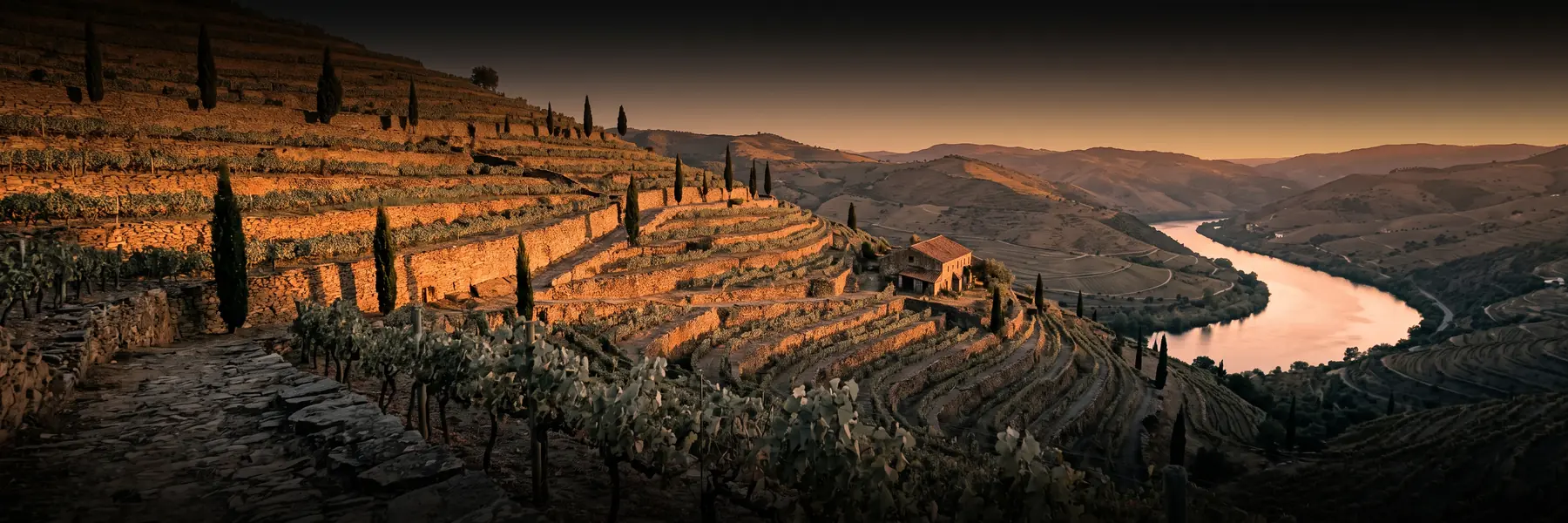
Languedoc-Roussillon — France's Largest Wine Region
Languedoc-Roussillon — France's Largest Wine Region
Languedoc-Roussillon is France's vast southern wine region, stretching from the Rhône delta to the Spanish border. Once known for bulk table wine, it has undergone a dramatic quality revolution since the 1980s, and today it is one of the world's best sources of value wine and increasingly home to ambitious single-vineyard and natural wine producers.
Geography
The region covers the Hérault, Gard, Aude, and Pyrénées-Orientales departments. The coast is flat and warm; the interior rises to limestone garrigue-covered hills (the Massif Central foothills). The Roussillon, around Perpignan, is sheltered by the Pyrenees and is one of France's hottest and driest wine zones.
Sub-zones of note:
- Pic Saint-Loup — cool elevated site north of Montpellier; elegant reds
- Terrasses du Larzac — high altitude plateau; fresh, complex reds; growing reputation
- La Clape — coastal limestone; characterful whites and reds
- Faugères — schist soils; distinctive mineral Syrah and Grenache blends
- Saint-Chinian — varied soils; reliable and often excellent value
- Minervois and Corbières — large zones of variable quality; good value exists
- Banyuls & Maury — Roussillon; fortified Grenache (Vin Doux Naturel)
Climate
Full Mediterranean. Long, hot, dry summers. Rain falls in spring and autumn; summer drought is normal. The Tramontane wind (cold northerly) and Marin (warm, humid southerly) are important moderating factors.
Key Grapes
| Grape | Role |
|---|---|
| Grenache | Backbone of blends; ripe red fruit, spice |
| Syrah | Structure, dark fruit, complexity |
| Mourvèdre | Dark, gamey, tannic — adds depth in blends |
| Carignan | Traditional workhorse; old vines produce excellent, structured wines |
| Cinsault | Freshness, rosé production |
| Viognier | Aromatic white; Pays d'Oc IGP |
| Piquepoul Blanc (Picpoul) | Local crisp white; lemony, saline; makes Picpoul de Pinet AOC; excellent with seafood |
| Muscat Blanc | Muscat de Frontignan VDN — sweet fortified white |
| Grenache Gris/Blanc | Southern whites; Roussillon |
Appellations and IGP
AOC wines: Languedoc (catch-all), Pic Saint-Loup, Faugères, Saint-Chinian, La Clape, Minervois, La Livinière (formerly Minervois-la-Livinière), Corbières, Fitou, Picpoul de Pinet, Banyuls, Rivesaltes, Maury, Muscat de Frontignan.
Pays d'Oc IGP: The most important IGP in France. Varietal wines (Merlot, Cabernet Sauvignon, Chardonnay, Viognier, etc.) at accessible prices. Enormous volume and some excellent values.
Natural Wine and New Wave Producers
Languedoc is one of the heartlands of France's natural wine movement (Beaujolais and the Loire have the older claim), and home to some of its most ambitious new-wave estates:
- Mas Jullien — Terrasses du Larzac; benchmark of the organic new wave
- Domaine de la Grange des Pères — pioneering "Super South" wines since the 1990s
- Clos Marie — Pic Saint-Loup; elegant, precise
- Domaine Causse d'Arboras — biodynamic; Terrasses du Larzac
- Domaine Léon Barral — Faugères; natural, unfiltered, extraordinary old-vine Carignan
Wine Styles
Languedoc Red Blend: Garrigue character (thyme, rosemary, lavender, dried herbs), dark fruit, warm spice. GSM-style blends dominate. The best have real complexity and can age 5–15 years.
Old-Vine Carignan: Often the most interesting wine in the region. Old vines (50–100+ years) produce concentrated, structured wines with unique earthy, mineral character. Ferment by carbonic maceration or traditional.
Banyuls/Maury (Grenache VDN): France's answer to Port. Fortified Grenache, either aged oxidatively (Rancio style) or young and fruit-forward. Unique and undervalued.
Picpoul de Pinet: Simple, fresh, lemony. One of France's most reliable value whites. Drink young.
Making Languedoc-Style Wine
GSM Blend Approach
- Blend Grenache, Syrah, and Mourvèdre separately; adjust ratios by vintage.
- Start with 50–65% Grenache, 20–30% Syrah, 10–20% Mourvèdre as a reference point.
- Grenache: gentle extraction; avoid over-tannin. Mourvèdre: needs heat (30°C+) during fermentation to avoid reduction.
- Old-vine Carignan fermented by traditional maceration (10–14 days) adds excellent structure.
- Oak: used with restraint — garrigue character is the star.
Carignan Carbonic Maceration
- Whole cluster carbonic maceration (like Beaujolais) extracts bright fruit and smooths Carignan's naturally harsh tannins.
- Fill vessel with CO₂, add uncrushed grapes. Ferment at 30°C for 7–10 days.
- Press early; finish fermentation in tank.
Food Pairing
Red Languedoc blends: cassoulet, wild boar daube, grilled lamb chops, tapenade and cured meats.
Banyuls: chocolate fondant, bitter chocolate, duck with cherry sauce.
Picpoul de Pinet: oysters, moules frites, grilled sea bass.
Tip: Old-vine Carignan is one of the most underestimated grapes in France. If you can source it, ferment it separately and include it as 20–30% of a blend — it adds an earthy, mineral backbone that no other variety in the region can provide.