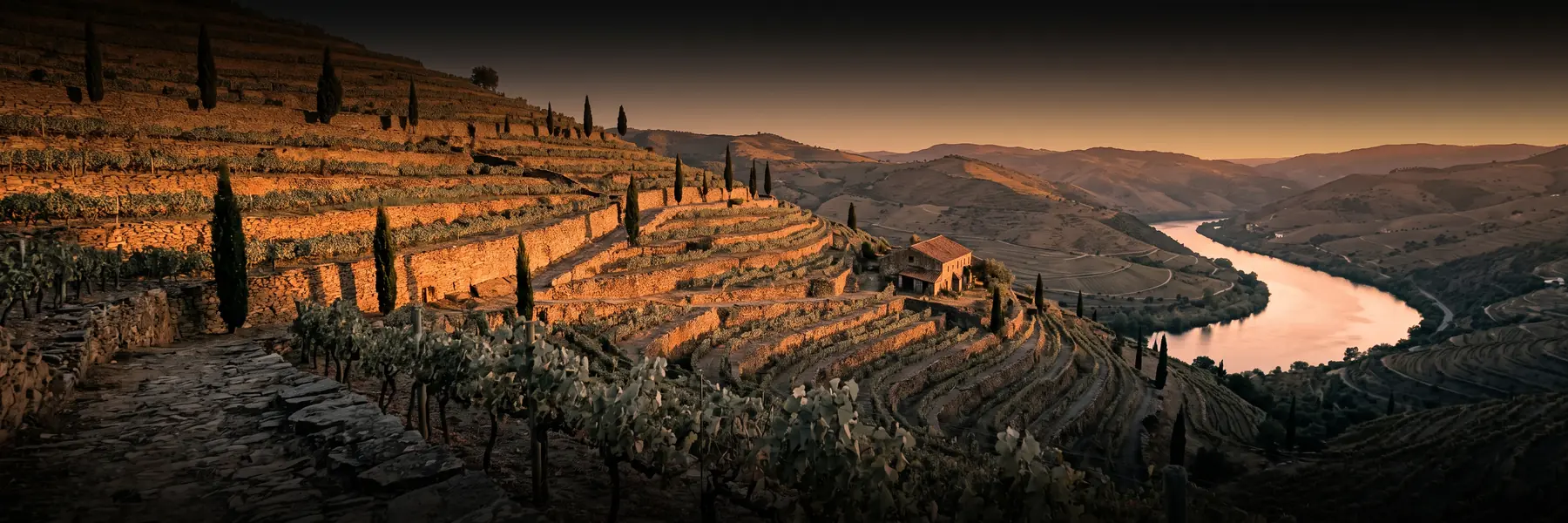
Elgin — From Apple Orchards to South Africa's Coolest Vineyards
Elgin — From Apple Orchards to South Africa's Coolest Vineyards
Elgin was an apple and pear district long before it was a wine district, and that history is the best possible advertisement for its climate. Apples need cold winters and a long, mild growing season; grapes for aromatic white wine need much the same thing. When growers began planting vines on the plateau in the 1980s, they were converting land that had already proved it was cool.
Today Elgin is one of South Africa's most exciting cool-climate districts (a stand-alone Wine of Origin district since 2011) — a source of Sauvignon Blanc, Chardonnay, Riesling and increasingly good Pinot Noir and Syrah that taste closer to the Loire or Mosel than to the Cape's warm interior.
The Site
Elgin is an elevated plateau in the mountains east of Cape Town, ringed by peaks, with vineyards generally sitting a few hundred metres above sea level. Three things make it cold:
- Altitude — the plateau sits well above the surrounding valleys
- Cloud cover — persistent cloud reduces the heat load through the ripening period
- Proximity to cold water — the ocean is close enough on two sides to influence the breeze
Rainfall is high by Cape standards and falls mostly in winter, so summer disease pressure is manageable but humidity is not negligible. Ripening is late and slow, which is exactly what an aromatic white needs.
The Wines
Sauvignon Blanc is Elgin's calling card. It is more restrained than Marlborough and more structured than most South African examples: grapefruit, green fig, lime leaf, nettle and a chalky, mineral finish, with high natural acidity.
Chardonnay is arguably the district's best wine — taut, citrus-driven, mineral, capable of carrying serious barrel and lees work without becoming heavy.
Riesling works properly here, which is rare in South Africa: dry or off-dry, with lime, green apple and a slatey bite.
Pinot Noir and cool-climate Syrah are both credible and improving; the Syrah is peppery and floral rather than jammy.
Producers: Paul Cluver (a family estate that also grows the fruit; strong on Riesling and Chardonnay), Iona, Richard Kershaw (a Master of Wine making site-specific Chardonnay and Syrah), Shannon Vineyards, Almenkerk, Oak Valley.
The Winemaking Lesson: Protecting Aromatics
Elgin's whites depend on volatile thiols and esters — the compounds responsible for passion fruit, grapefruit, boxwood and gooseberry in Sauvignon Blanc, and for the floral lift in a cool-climate white generally. These compounds are fragile. They are destroyed by oxygen, degraded by heat, and lost to a warm or careless ferment. Almost everything good about an aromatic white is decided in the first twenty-four hours after picking.
Picking
- Pick early and pick cold. Fruit at 20–22 °Bx with pH 3.0–3.3 gives the tension the style depends on.
- Harvest at night or at dawn if you can. Fruit temperature at the press is one of the highest-leverage variables you control.
- Aroma precursors sit in the skins, so a short, cool skin contact (a few hours at low temperature, under SO₂ and CO₂) can lift aromatic intensity — but it also extracts phenolics, so it is a trade-off to bench-test rather than assume.
Pressing and juice handling
- Whole-bunch press if possible; press gently and keep the fractions separate. The hard press is bitter.
- Add SO₂ at the crusher to knock out oxidative enzymes. Use the SO₂ calculator and read understanding SO₂ — at Elgin's low pH you need less SO₂ for the same protection, which is a genuine advantage.
- Cold settle the juice and rack off the gross lees. Very cloudy juice ferments with more sulphide risk and muddier aromatics.
- Keep everything reductive: full vessels, inert gas where you have it, minimal pumping and splashing.
Fermentation
- 12–16 °C for Sauvignon Blanc. Cool ferments preserve esters; see fermentation temperature.
- Choose a thiol-releasing aromatic white strain — the yeast's contribution to Sauvignon aroma is larger than most people expect. See choosing your yeast.
- Nitrogen matters. Cool, clean juice with low YAN is the classic recipe for a stinking, sluggish ferment. Measure or estimate, then feed in stages with the YAN / nutrients calculator.
- No MLF for Sauvignon Blanc or Riesling. Malic acid is part of the point.
After fermentation
- Keep the wine cool, topped up and protected. Bottle relatively young — these aromatics do not improve with cellar-floor storage in a half-empty tank.
- Screw cap suits aromatic whites; see closure comparison.
- Check tartrate stability before bottling; high-acid, low-pH whites throw crystals readily. See cold stabilisation.
Chardonnay in a Cool Site
Elgin Chardonnay can take the full Burgundian treatment — barrel ferment, indigenous yeast, partial MLF, lees stirring — precisely because the acid line survives it. Start with partial MLF rather than full: it is much easier to add texture to a fresh wine than to restore freshness to a soft one. See Chardonnay styles.
Food Pairing
Elgin Sauvignon Blanc: oysters, ceviche, goat's cheese, asparagus, Thai salads. Elgin Chardonnay: line-caught fish, crayfish, roast chicken, mushrooms. Elgin Riesling: pork belly, spiced Cape Malay dishes, smoked trout. Elgin Syrah: lamb chops, charcuterie, grilled aubergine.
Tip: If your aromatic whites keep coming out duller than the fruit tasted in the vineyard, the culprit is almost always oxygen and temperature between picking and the end of fermentation — not the yeast, and not the vineyard. Chill the fruit, add SO₂ at the crusher, settle cold, fill vessels to the top, and stop moving the wine around. That sequence alone transforms most home and small-scale whites.