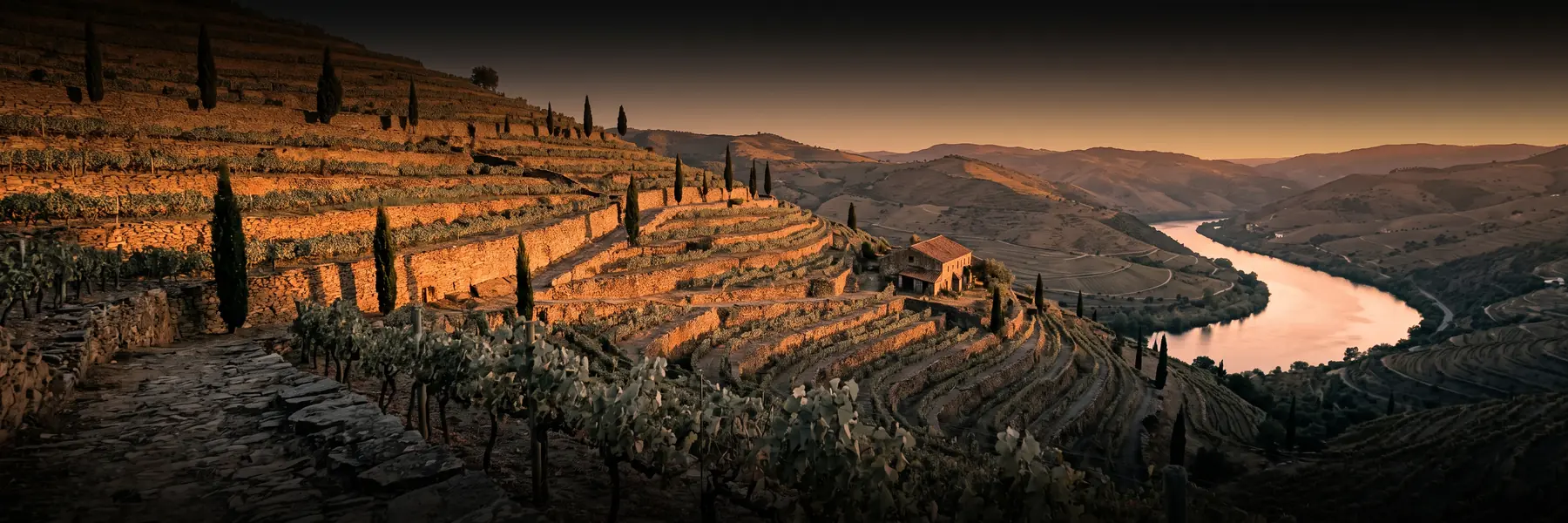
Casablanca Valley — The Fog That Gave Chile White Wine
Casablanca Valley — The Fog That Gave Chile White Wine
Until the 1980s Chile had no cool-climate wine region worth the name. Its vineyards sat in the warm central valleys, sheltered from the Pacific by the coastal range, and they made ripe red wine competently and white wine badly. Casablanca changed that. Planted from the early 1980s onward in a gap in the coastal hills between Santiago and Valparaíso, it proved that Chile could grow Sauvignon Blanc, Chardonnay and Pinot Noir with real freshness — and it opened the way for the whole coastal Chilean wine movement that followed.
How the Cooling Works
Casablanca lies close to the Pacific, and the water off this coast is cold — the Humboldt Current runs north along Chile carrying Antarctic water. Cold water plus a warming interior generates fog and a persistent onshore breeze, and the gap in the coastal range lets both reach the vineyards.
In practice:
- Mornings are foggy, sometimes until late morning, so the vines lose the hottest hours of potential photosynthesis
- Afternoons are breezy and moderate rather than hot
- Nights are cold, giving a wide diurnal range and high acid retention
- The season is long — budbreak is early and harvest is late
Frost Is the Catch
Casablanca's cooling is not free. Spring frost is the valley's most serious hazard, and the same conditions that keep the fruit fresh in February make it vulnerable in September and October. Growers use wind machines, sprinklers and site selection against it, and a bad frost year can cut yields severely.
This is a general lesson worth internalising: cool sites give better acid and aromatics, and they also give you more agricultural risk. Both are true at once.
Soils
Mostly granitic and clay-loam soils of moderate depth, with sandier, better-drained material on the slopes and heavier clay on the valley floor. The slope sites tend to give the more concentrated wines; the floor is cooler and frostier.
The Wines
Sauvignon Blanc — the valley's flagship. Grapefruit, passionfruit, green fig and fresh-cut grass, with high acid and a saline finish. Distinct from Marlborough: usually a little less overtly tropical and a little more citrus-and-mineral.
Chardonnay — citrus and white peach with real drive; handled with restraint it is among Chile's best whites.
Pinot Noir — genuinely good and improving, in a bright, red-fruited, savoury style.
Syrah — cool-climate Chilean Syrah is one of South America's most underrated wines: peppery, floral, olive-inflected.
Producers: Casas del Bosque, Kingston Family Vineyards, Viña Casablanca, Loma Larga, Veramonte, and the coastal Casablanca bottlings of larger houses such as Concha y Toro and Errázuriz.
Reductive White Winemaking, Step by Step
Casablanca's whites live or die on aromatic preservation, and the cellar discipline required is the most transferable skill in this guide. The compounds that make cool-climate Sauvignon Blanc smell the way it does — volatile thiols above all — are destroyed by oxygen and by warmth. Every decision below exists to keep them intact.
At the vineyard
- Pick early: 20–22 °Bx, pH 3.0–3.3, TA 7–9 g/L.
- Pick cold — night or dawn harvest if available. Warm fruit oxidises in the bin.
- Get the fruit to the press quickly and whole. Bruised, warm, crushed fruit sitting in a trailer is where most aromatic potential is lost.
At the press
- Whole-bunch press, gently, and keep fractions separate. The hard press cut is phenolic and bitter — useful in a blend, harmful as a whole.
- SO₂ at the crusher or press to inactivate polyphenol oxidase. Size it with the SO₂ calculator.
- Optionally a short, cold pre-press skin contact to lift aroma precursors — but bench-test, because it costs you phenolic cleanliness.
Juice preparation
- Cold settle 24–48 hours, then rack off the gross lees. Turbid juice gives muddled aromatics and more sulphide risk.
- Check nitrogen. Low-YAN juice fermented cool is the classic recipe for hydrogen sulphide. Stage additions using the YAN / nutrients calculator.
Fermentation
- 12–16 °C with an aromatic, thiol-releasing strain — the yeast choice materially changes the aroma profile in this style. See choosing your yeast and fermentation temperature.
- Fill vessels, exclude air, and leave the wine alone.
- No MLF for Sauvignon Blanc.
After fermentation
- A short period on fine lees adds texture and offers some antioxidative protection.
- Bottle relatively young, cool and under screw cap for this style; see closure comparison.
- Test tartrate stability first — high-acid whites throw crystals. See cold stabilisation.
If You Are Making Pinot Noir Here
Cool coastal Pinot benefits from the same restraint: pick at 22.5–24 °Bx, cold soak, ferment to a warm peak with gentle punch-downs, press at dryness, and use 20–30% new French oak at most. Fog means botrytis pressure — walk the block daily in the last fortnight.
Food Pairing
Casablanca Sauvignon Blanc: Chilean ceviche, razor clams, oysters, goat's cheese, asparagus. Casablanca Chardonnay: sea bass, crab, roast chicken. Casablanca Pinot Noir: salmon, duck, mushroom empanadas. Cool-climate Syrah: lamb with olives, peppered beef, grilled sardines.
Tip: The single highest-return change most people can make to their white winemaking costs nothing: chill the fruit before you press it. Every degree you take out of the fruit before crushing is aromatic intensity you keep in the bottle. If you cannot refrigerate, pick at first light and press immediately.