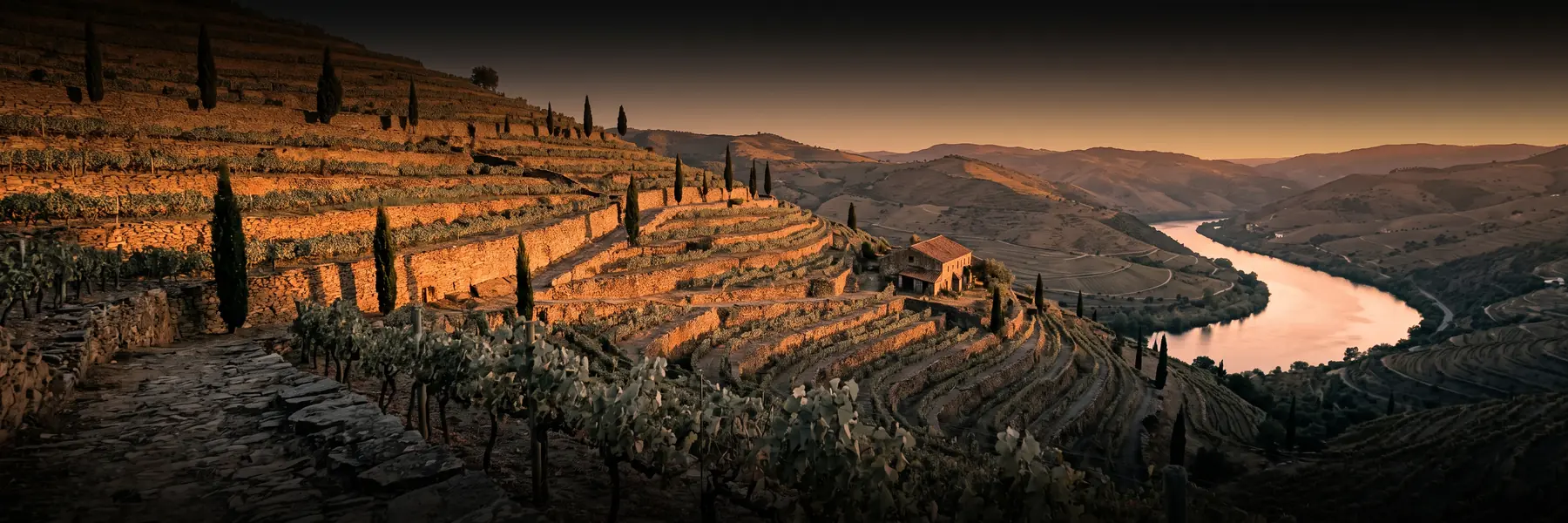
Burgundy — Pinot Noir, Chardonnay, and the Terroir Obsession
Burgundy — Pinot Noir, Chardonnay, and the Terroir Obsession
Burgundy (Bourgogne) is the most terroir-obsessed wine region on earth. No other region places such weight on the precise parcel of land from which a wine comes. A half-mile separates wines worth €20 from wines worth €20,000 — and wine lovers argue that the difference is real.
Geography
Burgundy runs north–south through central-eastern France along the Côte d'Or — the "golden slope." The region is divided into five main districts, from north to south:
- Chablis — far north, pure Chardonnay on Kimmeridgian limestone
- Côte de Nuits — Pinot Noir heartland: Gevrey-Chambertin, Chambolle-Musigny, Vosne-Romanée
- Côte de Beaune — Pinot Noir and the world's great Chardonnays: Meursault, Puligny-Montrachet
- Côte Chalonnaise — value wines: Mercurey, Givry, Rully
- Mâconnais — large volume Chardonnay including Pouilly-Fuissé
Climate
Continental. Cold winters, warm summers, significant spring frost risk. Harvest is weather-dependent — a warm, dry September produces great vintages; rain and dilution are the main risks. Climate change has brought more consistent ripening but also elevated alcohol and earlier harvests.
Key Grapes
- Pinot Noir — red wines throughout the Côte d'Or
- Chardonnay — white wines from Chablis to Mâcon
- Aligoté — secondary white variety, used in simple Bourgogne Aligoté
- Gamay — used in Bourgogne Passetoutgrains (blended with Pinot Noir)
The Hierarchy
Burgundy's classification runs from most general to most specific:
- Bourgogne AOC — regional wines from anywhere in Burgundy
- Village AOC — e.g. Gevrey-Chambertin, Meursault
- Premier Cru — named vineyard plots of recognised quality
- Grand Cru — the 33 finest parcels; separate AOC status
Only ~1.5% of Burgundy's vineyards are Grand Cru. The most famous: Romanée-Conti, Le Chambertin, Le Montrachet, Musigny, Corton-Charlemagne.
Famous Domaines
- Domaine de la Romanée-Conti (DRC) — owns Romanée-Conti, La Tâche, Richebourg, Montrachet. The most coveted allocation in wine.
- Domaine Leroy — Lalou Bize-Leroy's biodynamic masterworks. Extraordinary density and concentration.
- Domaine Armand Rousseau — benchmark Gevrey-Chambertin including Chambertin.
- Domaine Coche-Dury — the benchmark for Meursault Chardonnay.
- Faiveley — large négociant with excellent Grand Cru holdings.
- Louis Jadot — reliable négociant offering across all levels.
Wine Styles
Red Burgundy (Pinot Noir): Silky, ethereal tannins; red fruit (cherry, raspberry, strawberry); floral perfume; earthy undergrowth with age. Grand Crus can age 20–40+ years.
White Burgundy (Chardonnay): Mineral, tense, complex. Côte de Beaune whites show butter, hazelnut, and stone fruit; Chablis is purely flinty, unoaked or lightly oaked; Mâcon whites are fresh and fruity.
Making Burgundian-Style Pinot Noir
Pinot Noir is demanding — it shows every winemaking decision transparently. There is nowhere to hide.
Harvest
- Pick on flavour, not just numbers. Pinot ripens fast and can quickly over-ripen.
- Target: 22–24°Bx, pH 3.4–3.6, TA 5.5–7.5 g/L
- Whole cluster inclusion (10–30%) adds structural complexity and floral character
Fermentation
- Cold soak 3–5 days at 10°C for colour and fruit extraction without harsh tannins
- Ferment at 25–30°C for good extraction — Pinot needs help extracting colour
- Gentle punch-downs (2–3/day) — Pinot is delicate; overextraction kills elegance
- Moderate maceration: 10–18 days total
Yeast
- RC212 (Bourgovin) — the classic Burgundy strain. Spice, colour stability, gentle tannin
- D254 — dark fruit, smooth tannins, works well in cooler climates
Oak
Pinot Noir benefits from Burgundian-style oak: French, tight-grained, medium toast. 20–35% new oak for village wines; 40–60% for Premier Cru equivalents. 12–14 months. Oak should support, not dominate.
White Burgundy (Chardonnay)
- Press gently — free-run is the finest fraction
- Ferment in barrel (225L French, medium toast) for Meursault/Puligny style
- Allow bâtonnage (lees stirring) weekly for 3–6 months for texture and richness
- Let MLF run for full-bodied, Meursault-style whites — it softens malic acid and adds a rounder, creamier mouthfeel
- Worth correcting a widespread myth: real Chablis does complete malolactic fermentation. Its cutting freshness comes from low pH and high tartaric acid grown in a cool climate, not from blocking MLF. If you want Chablis-style tension at home, chase acid retention and skip the oak and bâtonnage — blocking MLF is a different tool with a different result (see MLF Explained)
Food Pairing
Red Burgundy: roast duck, wild mushrooms, pigeon, aged Époisses cheese.
White Burgundy: lobster, scallops, truffle, roast chicken.
Chablis: oysters, shellfish, smoked salmon.
Tip: When making Pinot Noir, err on the side of less extraction rather than more. A Burgundian Pinot should feel like silk, not sandpaper. Taste the cap juice daily and stop extraction the moment the tannins feel drying.