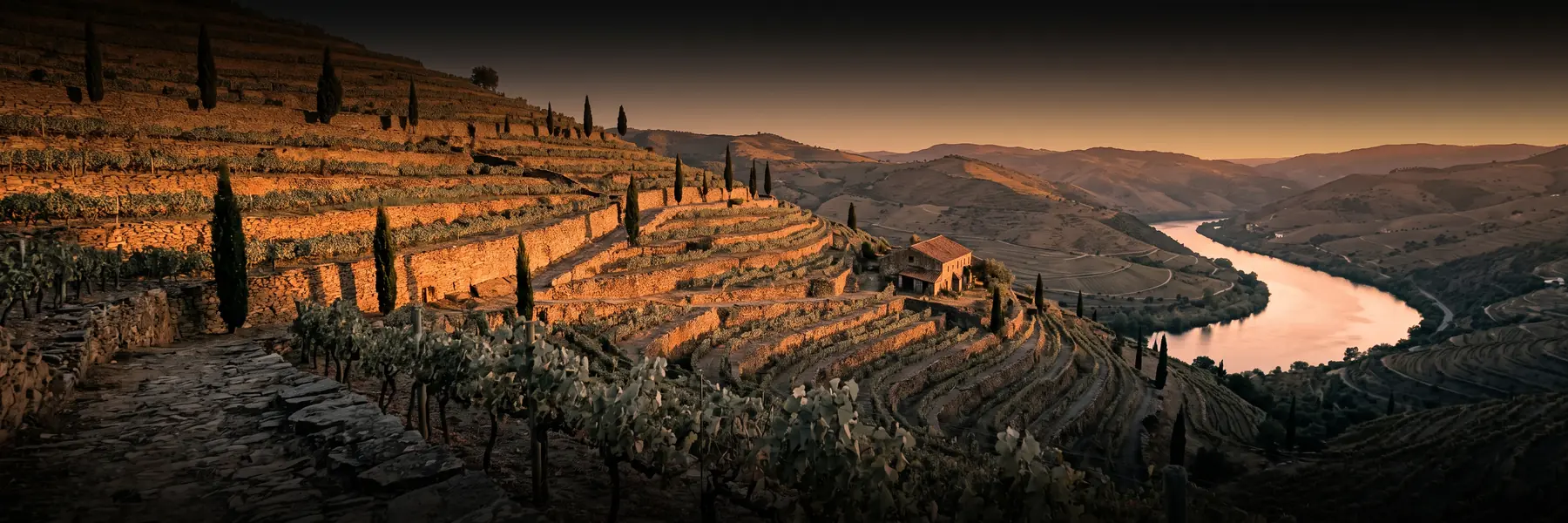
Beaujolais — Gamay, Granite, and the Art of Carbonic Maceration
Beaujolais — Gamay, Granite, and the Art of Carbonic Maceration
Beaujolais occupies a curious place in the wine world: simultaneously dismissed (Beaujolais Nouveau) and acclaimed (the ten Crus). The best wines from granite-soiled villages like Moulin-à-Vent and Morgon are serious, age-worthy, and strikingly underpriced compared to their quality.
Geography
Beaujolais runs south from Mâcon along the Saône Valley. The northern half — the Haut-Beaujolais — is granite and schist, producing the finest wines. The flatter southern half (Bas-Beaujolais) is limestone and clay, source of basic Beaujolais and Beaujolais Villages.
The ten Crus are all in the granite north:
- Brouilly — largest, most accessible; cherry, violet
- Côte de Brouilly — the volcanic blue-diorite ("pierre bleue") hill rising within Brouilly; more structured
- Morgon — "Burgundian" body; dark cherry, wild herbs; ages well
- Fleurie — silky, floral, fragrant; most approachable premium Cru
- Moulin-à-Vent — the "King of Beaujolais"; structured, powerful, ages 10+ years
- Chiroubles — highest altitude; most delicate, floral
- Chénas — smallest Cru; mineral, dried rose petal
- Juliénas — spicy, structured; good ageing potential
- Régnié — accessible, raspberry-forward
- Saint-Amour — light, fruity; lovely for early drinking
Climate
Continental with Burgundian influence. Warmer than Burgundy but cooler than the Rhône. Spring frost is a risk; autumn harvest is typically dry and warm. The granite soils drain well and warm quickly.
Key Grape
Gamay Noir à Jus Blanc — the only red grape of importance. Small berries, thin skins, naturally high acid. On granite, it produces wines of remarkable perfume and freshness.
Carbonic Maceration — The Beaujolais Technique
Traditional Beaujolais is made by carbonic maceration (macération carbonique):
- Whole, uncrushed grape clusters are loaded into a closed vessel.
- The vessel is flushed with CO₂ to displace oxygen.
- Fermentation begins inside the grape berry — intracellular fermentation.
- Sugars are partially converted to alcohol inside the berry; glycerol and esters are produced, giving the wine its characteristic soft, candied red fruit.
- After 5–15 days, grapes are pressed; the resulting wine finishes conventional fermentation.
Semi-carbonic maceration (the common variation): some grapes at the bottom of the vessel are crushed by weight, starting conventional fermentation. CO₂ produced creates an anaerobic environment for upper, intact clusters. Most Beaujolais Crus use this variation.
Result: Low tannin, high fruit expression, bright acidity, and a distinctive cherry/banana/bubblegum aroma (isoamyl acetate from intracellular fermentation).
Beaujolais Nouveau
Released the third Thursday of November each year, Beaujolais Nouveau is fermented, finished, and shipped within weeks of harvest. It is a marketing phenomenon (Georges Duboeuf's genius) and a legitimate seasonal pleasure, not a great wine.
Famous Producers
- Marcel Lapierre — the godfather of natural Beaujolais; Morgon with no SO₂
- Jean Foillard — benchmark Morgon; serious depth and age-worthiness
- Georges Duboeuf — the largest négociant; reliable across all levels
- Jean-Paul Thévenet — Morgon; low intervention, great elegance
- Château Thivin — Côte de Brouilly; excellent, consistent quality
- Louis-Claude Desvignes — Morgon; traditional style with age-worthy structure
Wine Styles
Beaujolais Nouveau: Light, fruity, simple; banana and cherry sweets; drink within 6 months.
Beaujolais / Beaujolais Villages: Fresh, light reds; cherry, strawberry; drink 1–3 years.
Cru Beaujolais: The serious tier. Varies by Cru:
- Moulin-à-Vent ages like light Burgundy (5–10+ years)
- Morgon develops earthy, complex secondary character over 5–8 years
- Fleurie is best 2–5 years — lose the flower freshness and it loses its identity
Making Carbonic Maceration Wine
This technique can be applied to any thin-skinned red grape (Gamay, Grenache, Carignan, Cinsault):
- Harvest intact clusters — no crusher-destemmer.
- Fill vessel; flush with CO₂ if available (or allow natural CO₂ to build from surface fermentation).
- Seal vessel. Hold at 28–32°C for 7–14 days (taste daily from day 7).
- Press when aromatics are right and the berry juice is at 4–6°Bx.
- Ferment pressed juice conventionally to dryness.
- No oak (or very light). Bottle early (by February/March) to preserve freshness.
Key parameters
| Parameter | Target |
|---|---|
| Harvest Brix | 21–24°Bx |
| Carbonic maceration temp | 28–32°C |
| Duration | 7–14 days (taste-driven) |
| Free SO₂ at bottling | 18–25 mg/L |
Food Pairing
All Beaujolais: charcuterie (the classic match), Lyonnaise cuisine (poulet en sauce, quenelles), boeuf bourguignon, grilled sausages, soft cheeses.
Cru Beaujolais: duck, rabbit, earthy mushroom dishes, roast pork.
Tip: If you're growing thin-skinned red grapes in a cool climate and struggling to get full ripeness, consider carbonic maceration. The technique extracts fruit without tannin, so underripe phenolics don't dominate. You can make a delicious, fresh red at 12% ABV with ease.