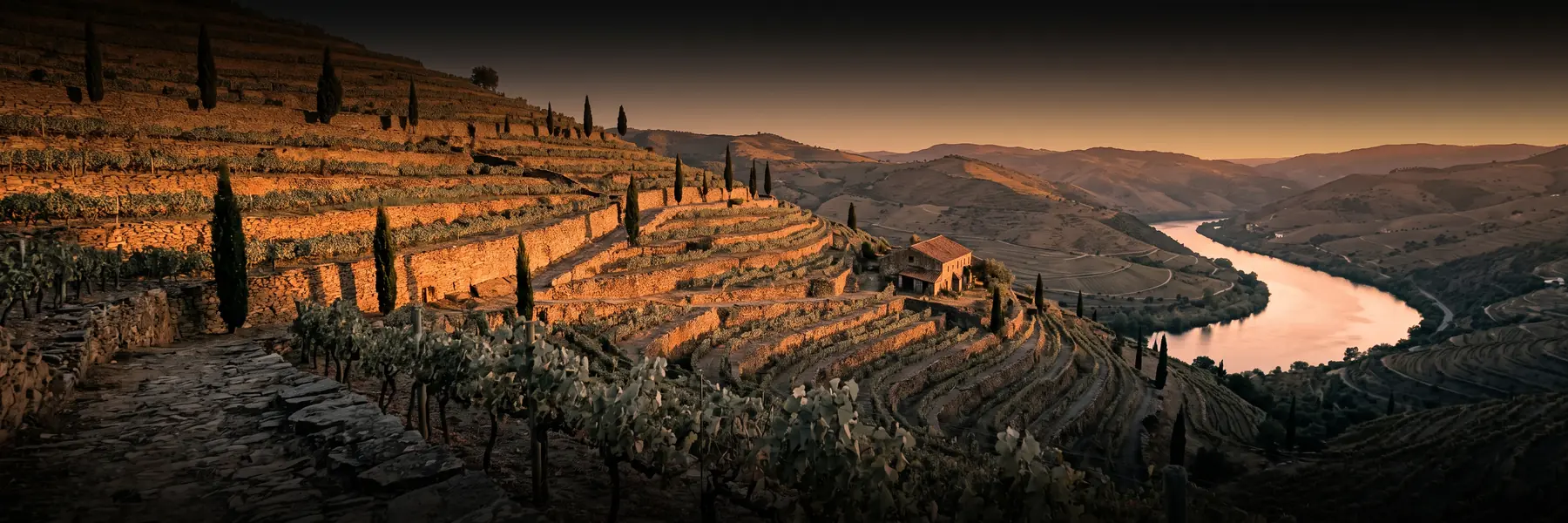
Australia — Barossa Shiraz, Clare Riesling, and Margaret River
Australia — Barossa Shiraz, Clare Riesling, and Margaret River
Australia produces some of the world's most powerful red wines (Barossa Shiraz), some of its finest Rieslings (Clare Valley), and a concentration of Cabernet Sauvignon that rivals Napa Valley (Margaret River). The country's wine history stretches back to 1788 when Governor Phillip brought vines from the Cape of Good Hope, and some of the old vines planted by German settlers in the Barossa in the 1840s still produce wine today.
Geography
Australia is a vast wine-producing country. The main regions are in the south where temperatures are moderated by the Southern Ocean and various sea breezes:
South Australia — the most important state by volume and quality
- Barossa Valley — the flagship region; old-vine Shiraz; warm, continental
- Eden Valley — high elevation (400–550m) above Barossa; excellent Riesling and cool-climate Shiraz
- Clare Valley — further north; the benchmark for Australian Riesling; continental, high altitude
- McLaren Vale — south of Adelaide; maritime; benchmark Shiraz and old-vine Grenache
- Coonawarra — extreme south; the most famous Australian site for Cabernet Sauvignon; Terra Rossa (red clay over limestone) soils
Western Australia
- Margaret River — the most isolated major region; maritime Indian Ocean influence; spectacular Cabernet Sauvignon, Chardonnay, and Shiraz
Victoria
- Yarra Valley — cool; Melbourne's backyard; Pinot Noir and Chardonnay
- Heathcote — Cambrian greenstone soils; outstanding Shiraz
- Rutherglen — northeast; the home of Muscat and Topaque (Muscadelle) fortified wines — unique Australian style
New South Wales
- Hunter Valley — the oldest region; hot; unique aged, bone-dry, low-alcohol Semillon is the classic style
- Mudgee, Orange, Tumbarumba — increasingly interesting cooler regions
Climate
Varies dramatically. Key zones:
- Barossa: Hot, dry, continental; warm Mediterranean summers; old-vine magic compensates for heat
- Clare: Higher altitude (400–500m); continental; cooler than Barossa; ideal for Riesling
- Margaret River: Strongly maritime; year-round moderation; exceptional for all varieties
Key Grapes
| Grape | Region | Character |
|---|---|---|
| Shiraz (Syrah) | Barossa, McLaren Vale, Heathcote | Australia's signature red; dark fruit, chocolate, eucalyptus, mocha |
| Cabernet Sauvignon | Coonawarra, Margaret River | Structured, blackcurrant, cedar, eucalyptus |
| Grenache | McLaren Vale, Barossa | Old vines; silky, generous, red fruit |
| Riesling | Clare Valley, Eden Valley | Lime, toast, petrol (with age); dry; Australia's finest white |
| Chardonnay | Margaret River, Yarra, Adelaide Hills | Range from buttery/oaky (Hunter) to mineral (cool sites) |
| Semillon | Hunter Valley | Dry, neutral young; astonishing honeyed complexity after 10+ years |
| Muscat Blanc | Rutherglen | Fortified; unique world style: raisin, toffee, espresso |
Barossa Valley
The Old Vine Shiraz Legend
The Barossa's most important asset: old vines. Some Shiraz blocks date from the 1840s. Pre-phylloxera vines on their own roots, now 150–180 years old, produce tiny yields of extraordinary concentration. These vines cannot be replaced.
The Barossa Valley Shiraz style: full-bodied, opulent, with intense dark fruit (blackberry, plum), mocha/chocolate, and sometimes a distinctive eucalyptus note. American oak was traditional (and still used by some); French oak is now dominant for premium wines.
Sub-Zones
- Marananga — the warmest sub-zone; most powerful Shiraz
- Greenock — renowned for old-vine Grenache and Shiraz
- Kalimna — BV's famous Kalimna block; Penfolds sources from here
- Seppeltsfield — centenary Para Tawny (100-year-old fortified wine) is produced here
Famous Barossa Producers
- Penfolds — the most famous Australian wine producer; Grange (first vintage 1951) is Australia's most iconic wine; also excellent Bin series and St Henri
- Henschke — Hill of Grace (single old-vine Shiraz block, planted 1860s) rivals Grange; more elegant style
- Torbreck — concentrated, old-vine blends; The RunRig is a benchmark
- Two Hands — single-vineyard approach; Bella's Garden Barossa Shiraz; highly acclaimed
- Rolf Binder — Veritas; excellent traditional style
- Yalumba — historic; Eden Valley Viognier is a benchmark; Octavius old-vine Barossa Shiraz
Clare Valley Riesling
Clare Valley produces Australia's finest Riesling — compact, intense, and age-worthy. The continental climate (extreme temperature variation between day and night) and high elevation (400–500m) preserve the fresh lime acidity that defines the style.
Clare Valley Riesling style: Bone dry (unlike German Kabinett). Intense lime/lemon, slate, floral. Develops extraordinary toast, petrol, and honey complexity after 5–10 years. Among the world's best Rieslings.
The Stelvin closure connection: Clare Valley producers led the Australian campaign to use screw caps (Stelvin) for fine wine, beginning in 2000. The argument: Riesling's delicate aromatics are disproportionately affected by TCA cork taint. The move proved transformative for Australian wine quality and triggered the global screw cap revolution.
Key producers: Jim Barry (The Armagh Shiraz is legendary; Clare Riesling excellent), Grosset (Polish Hill and Springvale — Clare's benchmark Rieslings), Knappstein, Tim Adams.
Margaret River
One of the world's most distinctive wine regions: an isolated maritime peninsula with the Indian Ocean influence producing an extraordinarily consistent, temperate climate. Rainfall arrives mostly in winter; summers are warm and reliably dry. The red loam soils over gravel and limestone are ideal for Cabernet Sauvignon.
Cabernet Sauvignon: The region's finest wine. Classic structure with blackcurrant, bay leaf, and a distinctive regional mint/herb note. More elegant and restrained than Barossa Shiraz or Coonawarra Cabernet.
Chardonnay: Australia's most Burgundian Chardonnay. Mineral, fresh, restrained. Leeuwin Estate Art Series is the benchmark.
Semillon-Sauvignon Blanc (SSB): An Australian classic from Margaret River — the region's signature take on the classic white-Bordeaux blend. Citrus, tropical fruit, freshness. Excellent.
Key producers: Leeuwin Estate (Art Series Chardonnay; Australia's most Burgundian), Cullen (biodynamic pioneer; Diana Madeline Cabernet is a benchmark), Cape Mentelle (historic; excellent range), Moss Wood (outstanding Semillon and Cabernet).
Making Barossa Shiraz
Harvest
- Target 25–27°Bx for old-vine; up to 28°Bx from hottest blocks.
- pH 3.5–3.8; TA 5.5–6.5 g/L (naturally lower than cooler regions).
Fermentation
- Ferment at 24–30°C; long maceration (18–28 days) for premium.
- Viognier co-fermentation (2–5%) adds aromatic lift and helps fix colour (classical Rhône technique adopted in Barossa).
- Open-top fermenters with daily punch-downs are traditional.
Yeast
- D80 or Syrah clone — classic dark fruit and structure
- BM45 — floral and spice complexity
Oak
- Traditional Barossa: American oak (medium to heavy toast); distinctive vanilla and coconut.
- Modern: French oak, medium toast, 12–18 months; 50–80% new for premium.
- Penfolds Grange: single-vintage, multi-regional blend using 100% new American oak — uniquely powerful style.
Food Pairing
Barossa Shiraz: barbecued beef ribs, kangaroo fillet, aged cheddar, dark chocolate.
Clare Valley Riesling: barramundi, garlic prawns, Asian-inspired dishes, light curries.
Margaret River Cabernet: slow-roasted lamb shoulder, lamb cutlets with herbs, aged hard cheeses.
Rutherglen Muscat: Christmas pudding, dark chocolate, toffee desserts, stilton.
Tip: Old-vine Barossa Shiraz needs time. Opening a Penfolds Grange or Henschke Hill of Grace at 5 years is a waste — these wines are still tight, awkward, and tannic. Give them 15–20 years and the transformation is extraordinary: the oak integrates, the fruit sweetens, and a wholly new aromatic dimension emerges.