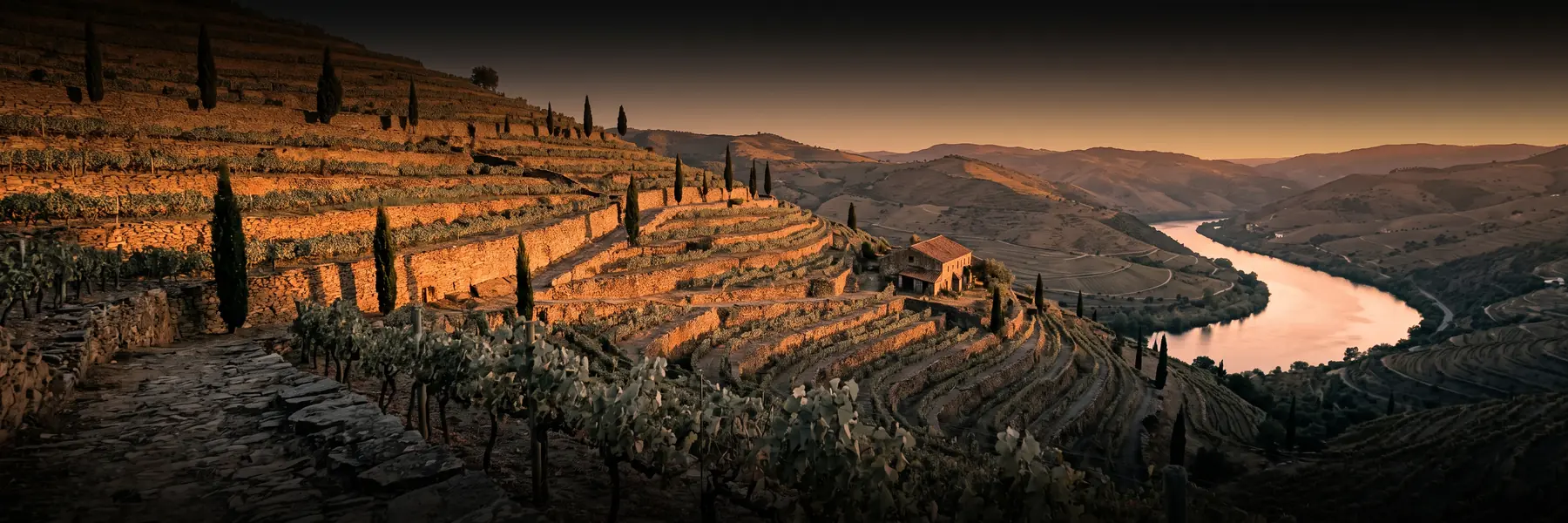
Mendoza & Argentina — Malbec at Altitude
Mendoza & Argentina — Malbec at Altitude
Argentina is the world's benchmark for Malbec — a grape that struggles in Bordeaux, far from its native Cahors, but flourishes at altitude in the Andes foothills to produce wines of extraordinary colour, richness, and concentration. Mendoza is the heart of Argentine wine, but the country's regions span from subtropical Salta in the north to chilly Patagonia in the south.
Geography
Argentina's wine regions all share one critical feature: altitude. The Andes mountains run along the country's western edge, creating a rain shadow that produces semi-desert conditions on the eastern slopes. Vineyards are irrigated from Andean snowmelt. The extreme altitude provides:
- Cool nights — essential for retaining acidity in a hot climate
- UV radiation — more intense at altitude; stimulates thick grape skins and deep colour
- Diurnal temperature variation — large day/night differences preserve freshness
Key Regions
Mendoza — 70%+ of Argentine wine production:
- Maipú — classic, valley-floor Malbec
- Luján de Cuyo — the traditional benchmark for quality Malbec; premium zone
- Agrelo / Perdriel — valley floor; good quality
- Uco Valley — the emerging star; high altitude (900–1,500m); Tupungato, Tunuyán, San Carlos sub-zones; complex, fresh, elegant Malbec very different from lower-altitude wines
San Juan — north of Mendoza; warmer; bulk production; some excellent Syrah and Bonarda
Salta / Cafayate — extreme altitude (1,500–3,000m); some of the highest vineyards in the world (Colomé's Altura Máxima reaches ~3,111m; a Tibetan vineyard at 3,563m holds the Guinness record); outstanding Torrontés and structured Malbec
Río Negro / Patagonia — southernmost; cool; excellent Pinot Noir and Malbec of fresh, Burgundian character
Climate
Arid, semi-desert in Mendoza and the centre. Hot days, cool nights (diurnal variation 15–20°C in Uco Valley). Almost no rainfall (250mm/year) — all viticulture requires irrigation from Andean snowmelt (acequia canals). Clear skies; extreme UV.
Key Grapes
| Grape | Role |
|---|---|
| Malbec | Argentina's signature; deep violet colour, plum, violet flower, cocoa; the world benchmark |
| Cabernet Sauvignon | Important red; structured, blackcurrant |
| Bonarda (Douce Noire) | Second most planted; dark, fruity; underrated |
| Syrah | Excellent in Mendoza; dark, spicy |
| Torrontés | Argentina's unique white; intensely floral (rose, peach, lychee); dry; of Argentine origin (a local Muscat × Criolla cross) |
| Chardonnay | Increasingly excellent, especially from Uco Valley |
| Pinot Noir | Patagonia speciality |
Malbec in Argentina vs France
Malbec originated in Cahors (southwest France) where it is called Côt and produces dark, tannic, austere wines. In Mendoza's dry mountain climate, the same grape produces something completely different:
| Feature | Cahors (France) | Mendoza (Argentina) |
|---|---|---|
| Colour | Dark ruby | Deep violet/ink |
| Body | Medium-full | Full |
| Tannins | Firm, austere | Plush, velvety |
| Fruit | Dark fruit, earthy | Plum, blueberry, violets |
| Oak | Moderate | Often significant |
| Style | Food wine, requires time | Approachable, immediate |
Famous Producers
- Catena Zapata — the most internationally celebrated; Adrianna Vineyard (Uco Valley) produces Argentina's most complex wines; transformed the world's perception of Malbec
- Achaval Ferrer — benchmark single-vineyard Malbec from three historic fincas
- Clos de los Siete — Michel Rolland's collaborative project with a group of Bordeaux families in the Uco Valley; reliable, consistent
- Luigi Bosca — historic house; reliable quality across all varieties
- Zuccardi Valle de Uco — family estate; extraordinary single-block expressions; Concreto and Aluvional are benchmarks
- Clos de Chacras — mid-range quality; widely distributed
- Salentein — Dutch-owned; excellent Uco Valley quality; beautiful winery architecture
Torrontés
Argentina's most unique contribution to white wine. Three varieties exist (Riojano, Sanjuanino, Mendocino) of which Torrontés Riojano is the finest. Believed to be a cross between Muscat of Alexandria and Criolla Chica. Grown at its best in Cafayate, Salta (1,700m altitude):
- Intensely floral: rose petal, white peach, lychee, orange blossom
- Always dry (despite seemingly sweet aromatics)
- Moderate alcohol (typically 13–14% despite the altitude)
- Drink very young (within 2 years)
The key is altitude — at low elevations, Torrontés loses its freshness and becomes flat and coarse.
Making Argentine Malbec
Harvest
- Mendoza valley floor: 24–27°Bx; pH 3.6–3.9.
- Uco Valley high altitude: 23–25°Bx; lower pH (3.4–3.6); higher TA — more complex, fresher wines.
Fermentation
- Ferment at 25–30°C.
- 12–18 day maceration for premium wines; high-altitude Uco Valley fruit gets the lighter touch described below (10–14 days), not longer.
- Malbec responds well to pump-overs — the colour extraction is excellent.
Yeast
- BM45 — elegant, aromatic, spice and floral character — excellent for Malbec
- D80 — dark fruit and smooth tannins
Oak
- French oak (medium toast) is the standard for premium.
- American oak is still common for mid-tier — adds vanilla and rounds the plush fruit.
- 12–16 months for standard; 18–24 months for Gran Reserva.
High-Altitude Approach
Uco Valley wines can be made with a lighter touch — shorter maceration (10–14 days), less new oak (20–30%), to preserve the freshness and mineral complexity that altitude provides.
Food Pairing
Malbec: asado (Argentine BBQ with chimichurri), beef empanadas, grilled entrecôte, blue cheese.
Torrontés: ceviche, grilled shrimp, Peruvian cuisine, mild curries, fresh cheeses.
Bonarda: pizza, pasta, grilled chicken.
Tip: The difference between valley-floor Mendoza Malbec and Uco Valley high-altitude Malbec is dramatic. High altitude produces wine with much lower pH, higher natural acidity, and more mineral complexity — fundamentally more interesting and age-worthy. If you can source high-altitude Malbec, make it that way.